South Korea Reacts to Reduced US Military Drills Amid Iran Tensions


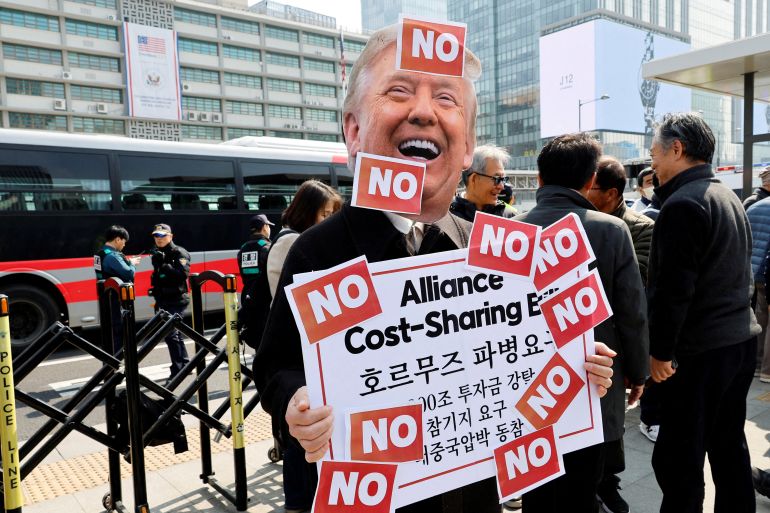
The recent decision by US President Donald Trump to significantly reduce military drills involving South Korea has ignited unease and confusion in Seoul. The announcement was made on Trump's Truth Social platform just before the start of the annual military exercises, which typically strengthen the presence of US forces in the region. The president described the drills as 'inappropriate and hostile' towards North Korea and indicated his discontent over South Korea's refusal to participate in the US-Israel war against Iran.
The sudden directive took South Korean officials by surprise, coinciding with a public holiday marking the liberation from Japanese colonial rule. Following the announcement, General Xavier Brunson, commander of US Forces Korea, met with South Korean Defence Minister Ahn Gyu-back. The two parties swiftly agreed to truncate the exercise from 11 days to five and reduce the scope of several field training maneuvers.
Concerns about the reliability of US security assurances, which South Korea has relied upon since the Korean War, have escalated. South Korean President Lee Jae Myung attempted to calm public sentiment, asserting the importance of the US-South Korea alliance while also advocating for enhanced self-reliance in national defence. In a separate statement, he acknowledged Trump’s decision as a move intended to reduce tensions on the Korean Peninsula and expressed empathy towards the US perspective on regional security.
Minister of Foreign Affairs Cho Hyun elaborated on the situation, confirming to lawmakers that neither South Korean nor American officials were forewarned about Trump’s plan to scale back joint military activities. His assertion underscores the complications arising from unilateral announcements made on social media.
Reactions from the South Korean public varied widely, with many expressing frustration online. Some citizens voiced skepticism about the US commitment to its allies, while others raised concerns about the implications for Korea's long-standing alliance with Washington. The situation has prompted some politicians to call for a reassessment of South Korea’s involvement in conflicts regarding Iran, a stance that seems to be widening the rift between the two countries.
Some members of the opposition have directed criticism at President Lee for declining to assist the US in Iran, suggesting that such choices may jeopardise the alliance. Conversely, some editorials in prominent South Korean newspapers advocate for a more measured approach to the US-South Korea relationship, emphasizing the need for reciprocal gestures rather than viewing the alliance as a one-way commitment.
Despite the tension, South Korean officials indicate they are keen to contribute to ensuring safe passage through the Strait of Hormuz, amid ongoing hostilities involving Iran. The discussion on this point indicates efforts to find common ground while navigating the complexities of international alliances.
As the Ulchi Freedom Shield exercise continues, albeit in a reduced form, both nations seem to grapple with the implications of Trump's recent declarations and their impact on regional stability. Looking ahead, South Korea’s government is poised to monitor developments closely and adjust its foreign policy as needed, maintaining its diplomatic engagements without ignoring rising domestic scrutiny.
Kerala Initiates Probe into 2006 Suicide Case Involving CEC
Extradition of Sheikh Hasina Feasible, Says Indian High Commissioner

Punjabi Makeup Artist Mad Sandhu Shot Dead in Amritsar
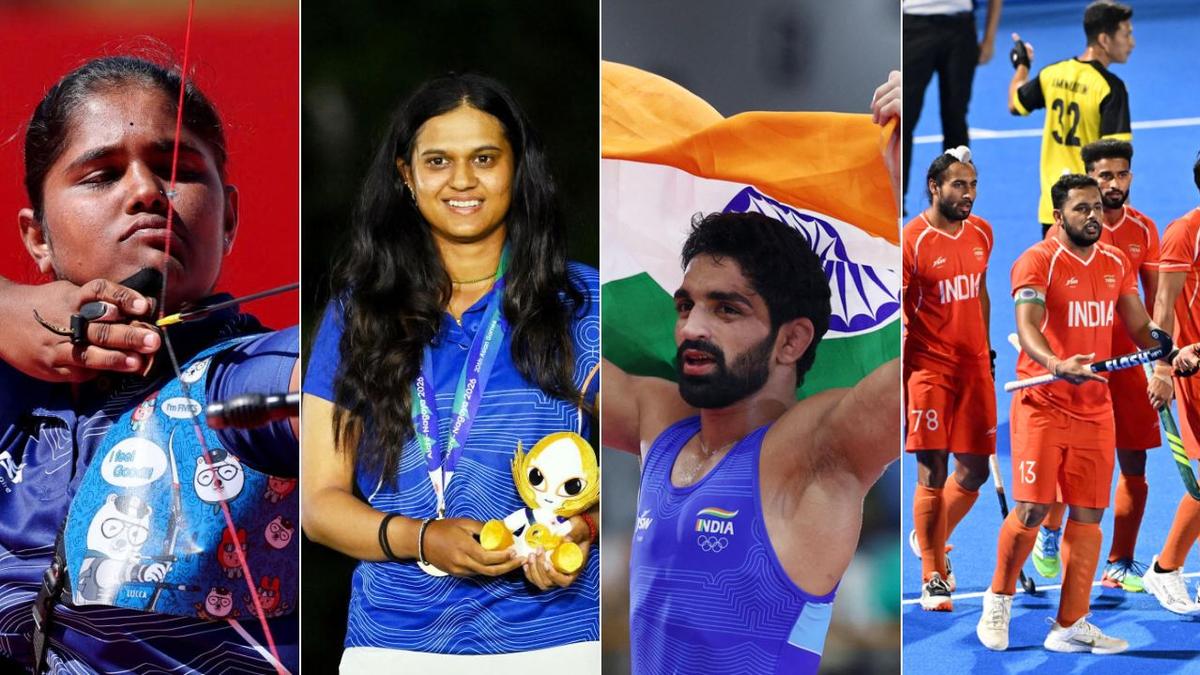
India Achieves Fourth Place at Asian Games 2026 Through Late Success