South-East Asia Celebrates 15 Years Free from Polio


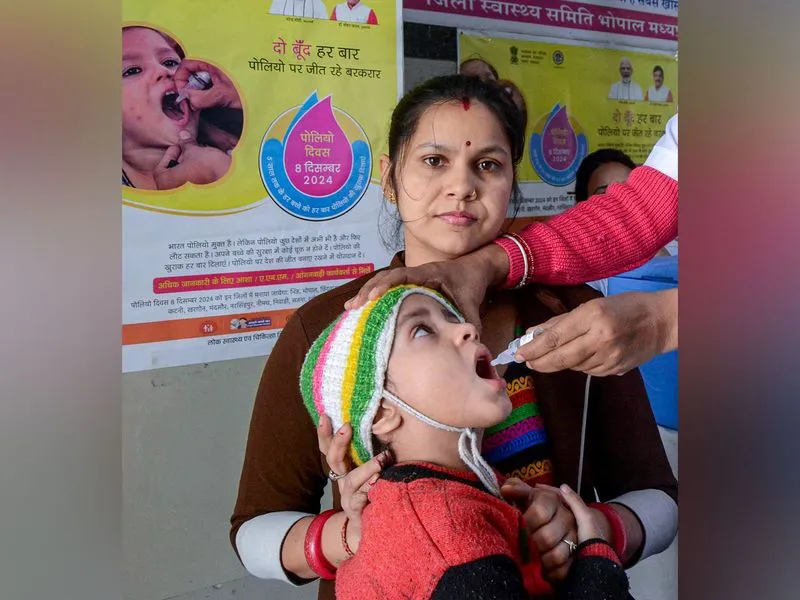
The World Health Organization (WHO) has announced that the South-East Asia Region has reached a significant milestone, celebrating 15 years since the last recorded case of wild poliovirus. This achievement is particularly noteworthy considering that the region is home to approximately a quarter of the world's population.
In a recent statement, WHO officials highlighted that the region's polio-free status is being maintained through continuous efforts and innovations. Since the last case was reported in 2007, countries within the region have adopted new strategies and technologies that not only enhance polio surveillance but also aim to improve overall public health.
Dr Poonam Khetrapal Singh, WHO Regional Director for South-East Asia, emphasised the importance of this achievement. "This remarkable progress against polio underscores the effectiveness of our immunisation programmes and integrated health strategies that address a range of health issues," she stated.
The elimination of polio in South-East Asia is part of a broader public health initiative. The lessons learned from the rigorous polio eradication efforts are being applied to tackle other diseases, contributing to a healthier population overall. Countries are using these insights to strengthen health systems, ensuring that they are better equipped to respond to future health challenges.
In India, prior to its polio elimination, the country accounted for around 60 percent of global polio cases. The strategic interventions and mass immunisation campaigns have been credited with turning the tide against the disease. This milestone is celebrated as a victory of public health awareness and a concerted effort among regional governments, healthcare providers, and communities.
The region's success serves as a model for public health initiatives globally. Other nations are now looking to replicate these strategies to improve vaccine outreach and combat various public health threats. The commitment to vaccination remains crucial, and it is a message echoed in the community as South-East Asia moves forward in its health journey.
As the success against polio becomes a foundation for future health advancements, the WHO continues to advocate for sustained vigilance and innovation in immunisation practices. Maintaining polio-free status not only enhances public health but also strengthens the overall healthcare infrastructure, underscoring the interconnectedness of disease prevention efforts.

Trump, Putin, and Xi to Meet at APEC Summit in Shenzhen, China
Congress Criticises Adani for Dramatic Cost Cut in Maharashtra Project

Urban Infrastructure Crucial for India's Manufacturing Growth
India Extends Ban on Zakir Naik's Islamic Research Foundation