Self-Immolation Outside UN Highlights Tibetan Human Rights Concerns


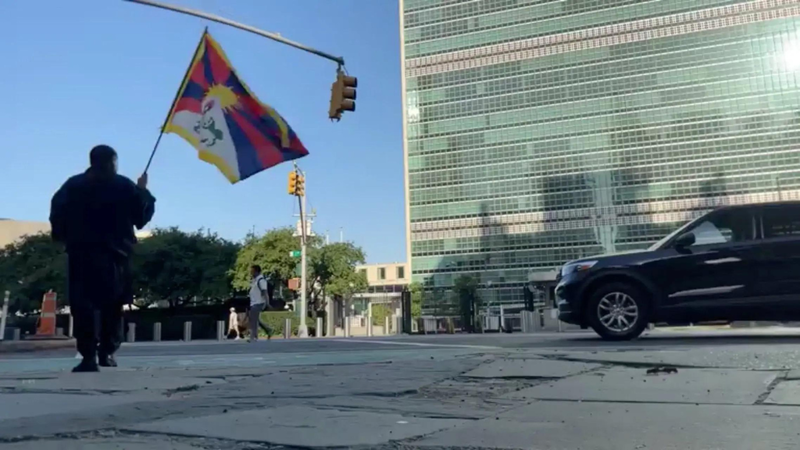
A tragic incident involving self-immolation occurred outside the United Nations headquarters in New York, reigniting discussions surrounding human rights concerns in Tibet. This act is seen as a form of protest against the treatment of Tibetans under Chinese governance.
Witnesses reported that the self-immolation took place during a demonstration advocating for Tibetan rights, where protesters gathered to voice their grievances over Beijing's policies in the region. The act has drawn considerable media attention, highlighting the ongoing struggles faced by the Tibetan people in their quest for autonomy and recognition of their cultural identity.
The Tibetan community and various human rights groups have long accused China of repressing Tibetan culture, language, and religious practices. These allegations are part of a broader narrative that claims systematic human rights violations in Tibet.
Advocates for Tibetan rights have expressed that such extreme acts of protest signify the desperation felt by many Tibetans living under Chinese rule. Organizations like the International Campaign for Tibet have reaffirmed that self-immolation has been a protest method used by individuals seeking to raise awareness about the plight of Tibetans.
In response to the incident, numerous rallies and vigils have been planned globally, further pressing world leaders to take a stand against the human rights violations reported in Tibet. The situation has gained traction, particularly as international entities, including governments and NGOs, call for further investigations into China’s policies in the region.
Activists have encouraged individuals to engage in peaceful protests and sign petitions aimed at urging the United Nations to consider the human rights situation in Tibet during future discussions. The self-immolation incident serves as a reminder of the ongoing struggle for human rights and autonomy in Tibet, drawing attention to the need for increased global awareness and action.
As more details emerge from the incident, officials have stated the importance of addressing these human rights concerns through dialogues and peaceful resolutions. Advocates assert that direct engagement with the situation is critical for the future of Tibet and its people, hoping that their calls will not go unnoticed on the world stage.
Election Commission Extends Deadlines for Andhra Pradesh and Meghalaya

INDIA Bloc Announces Nationwide Campaign Against Chief Election Commissioner

Gujarat Authorities Seize ₹3,000 Crore Worth of Drugs at Sea

Modi and Trump Discuss Bilateral Cooperation in Key Sectors