UN Says United States Must Pay Dues Despite Withdrawal from Agencies


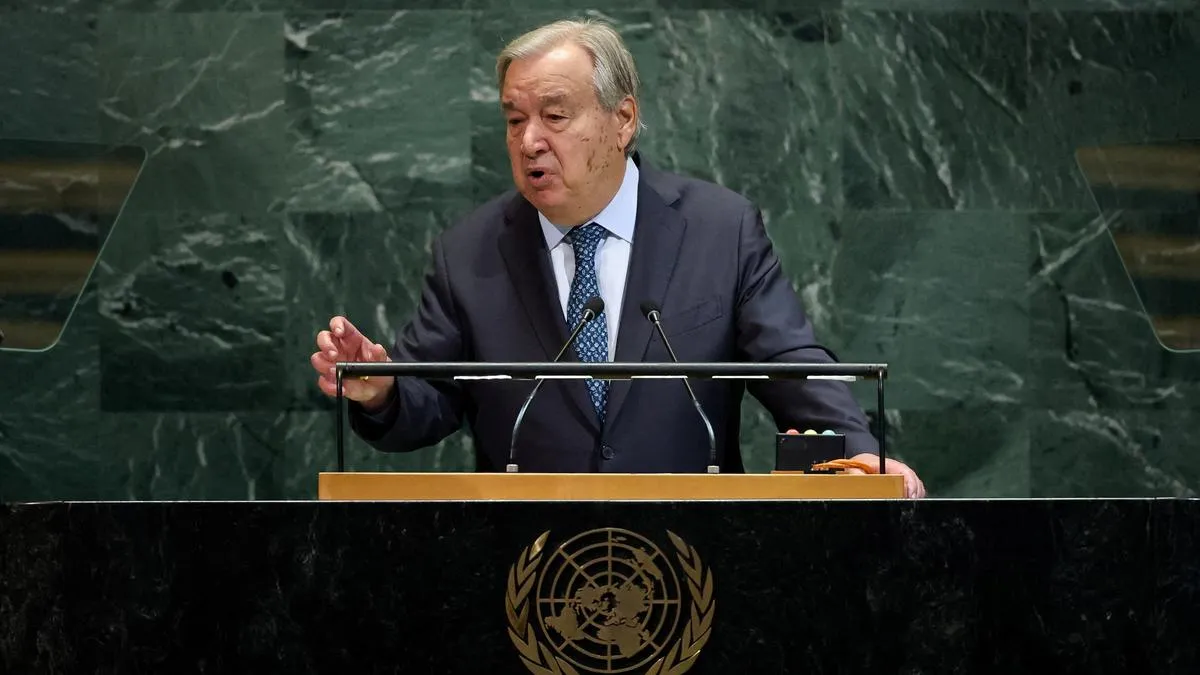
The United Nations Secretary-General, António Guterres, said he regretted the decision by the Trump administration to withdraw from 31 UN-related agencies, including bodies involved in climate negotiations and population health. He also confirmed that Washington intends to leave dozens of other international initiatives not formally affiliated with the UN.
Responding to the announcement, the Secretary-General’s spokesperson, Stéphane Dujarric, said that financial obligations to the UN are not optional. “Assessed contributions to the United Nations regular budget and peacekeeping budget, as approved by the General Assembly, are a legal obligation under the UN Charter for all Member States, including the United States,” he said.
Mr Dujarric added that UN agencies named in the withdrawal decision would continue their work. “The United Nations has a responsibility to deliver for those who depend on us,” he said, underlining that operations would proceed despite uncertainty over future funding.
The UN said it had not received formal notification from the US government at the time of the announcement. According to UN officials, many agencies learned of the decision through media reports and a White House social media post, rather than through diplomatic channels.
As a result, several senior officials declined to comment publicly on the potential impact, citing the lack of official communication and clarity on whether funding would be fully suspended or phased out.
Scope of the withdrawal
President Trump signed an executive order suspending American participation and funding in 66 international organisations, commissions and advisory bodies. Of these, 31 are linked to the United Nations system, while the remainder are independent multilateral initiatives.
Many of the affected organisations work on climate change, labour standards, migration, gender equality and population issues. The administration has characterised these bodies as promoting agendas that conflict with US national priorities and domestic policy preferences.
Among the most prominent exits is the withdrawal from the United Nations Framework Convention on Climate Change, the 1992 treaty that underpins all global climate negotiations, including the Paris Agreement. The decision places the United States outside the central institutional framework governing international climate cooperation.
The United States is also withdrawing from the Intergovernmental Panel on Climate Change, the Green Climate Fund, the International Solar Alliance and the International Renewable Energy Agency, severing its formal role in global climate science and finance mechanisms.
Funding cuts and political history
Some of the targeted agencies, including the United Nations Population Fund, have long faced opposition from conservative lawmakers in the United States. The organisation, which provides sexual and reproductive health services worldwide, previously lost US funding during President Trump’s first term.
The withdrawal from climate-related bodies was widely anticipated. President Trump and his allies have consistently criticised international climate agreements, arguing they impose economic costs on the United States. Shortly after returning to office, he withdrew again from the Paris climate agreement, reversing the re-entry made under President Joe Biden.
Reacting to the latest decision, the executive secretary of the UN climate convention, Simon Stiell, warned of domestic consequences for the United States. He said withdrawing from global climate cooperation would harm “the US economy, jobs and living standards” as climate-related disasters intensify.
“The doors remain open for the US to re-enter in the future, as it has in the past,” Mr Stiell said, adding that commercial opportunities in clean energy and climate resilience remain significant for American businesses.
Legal questions and UN obligations
The UN has stressed that while governments may choose to withdraw from certain programmes or agreements, assessed financial contributions are governed by international law. The UN Charter, ratified by the US Senate, obliges member states to fund the organisation’s core budget and peacekeeping operations.
Legal experts note that while US presidents can withdraw from executive agreements, exiting treaties ratified by the Senate raises constitutional questions. The US Constitution outlines procedures for entering treaties but does not explicitly address withdrawal, leaving room for potential legal challenges.
If the United States fails to pay its assessed contributions, it could face consequences under Article 19 of the UN Charter, which allows the General Assembly to suspend a member’s voting rights if arrears equal or exceed two years of dues.
Context and global implications
The US withdrawal has raised concerns about the future of multilateral cooperation, particularly in climate action, development finance and global health. Reduced US funding could leave significant financial gaps in agencies that rely heavily on American contributions.
Diplomats warn that the move may also shift the balance of influence within international institutions, creating opportunities for other powers to expand their leadership roles. In climate finance and infrastructure development, analysts say China could strengthen its position by filling funding and governance gaps.
For emerging economies such as India, the changes present both challenges and opportunities. The US exit from the International Solar Alliance, headquartered in New Delhi, weakens an India-led renewable energy initiative, but also opens space for India to assume greater leadership in multilateral forums.
The United Nations has emphasised that its mission and operations will continue, regardless of individual member states’ policy choices. However, the decision by the world’s largest economy to step back from dozens of international bodies marks a significant shift in the post-war global order and adds fresh uncertainty to international cooperation at a time of mounting global challenges.
Kerala Initiates Probe into 2006 Suicide Case Involving CEC

Extradition of Sheikh Hasina Feasible, Says Indian High Commissioner

Punjabi Makeup Artist Mad Sandhu Shot Dead in Amritsar
India Achieves Fourth Place at Asian Games 2026 Through Late Success