Iran's Leaders Accuse US and Israel of Interfering in Protests


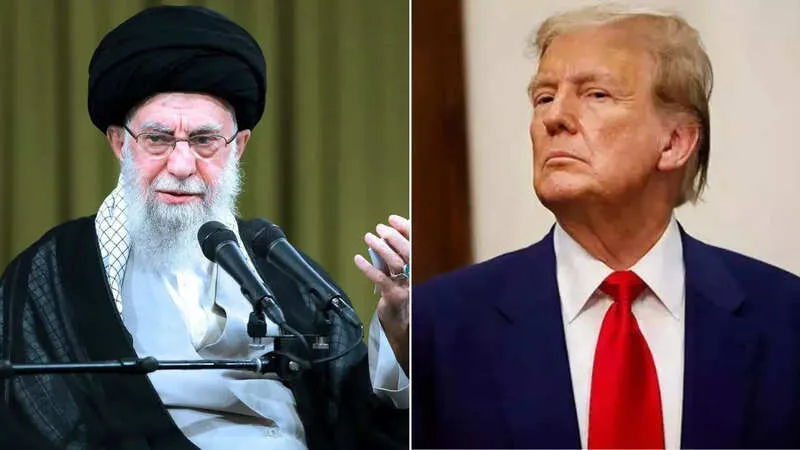
Iranian officials have publicly accused the United States and Israel of directly interfering in the protests erupting across the country. These demonstrations, which have been fuelled by a range of grievances including economic hardship and political repression, have seen citizens express their discontent with the Iranian government.
Iran's Foreign Minister Hossein Amir-Abdollahian stated that the protests were not merely a domestic issue but rather a manifestation of foreign interests aiming to destabilise the nation. "The hands of the US president are stained with the blood of our people," Iranian Supreme Leader Ali Khamenei declared, targeting former US President Donald Trump and suggesting that he would face consequences for his actions.
Several regions in Iran have witnessed intensified protests, with reports of clashes between demonstrators and security forces. These protests have resulted in significant disruptions, including internet blackouts that have hampered communication and information sharing among the population. Given the impact of these shutdowns, local and international observers have expressed concerns about the ability of protesters to organise and disseminate their messages.
Economic factors are at the heart of the unrest, with high inflation and a steep decline in the value of the Iranian currency, the rial, contributing to widespread frustration. Public sentiment has increasingly turned against the government's handling of the economy, particularly amidst rising costs and stagnant wages.
As protests continue, the Iranian government remains steadfast in its position, vowing to crack down on what they describer as riotous behaviour. This ongoing tension poses serious questions about the potential for further instability in the region, as external and internal pressures converge on the Iranian state.
In response to the escalating situation, the government has also positioned itself as a stable countermeasure against what they describe as foreign conspiracies aimed at fostering chaos within the country. Observers note that the regime's narrative of external interference may serve to unify national sentiment against perceived threats, potentially sidelining calls for reform from within.
Meanwhile, the international community is closely monitoring developments in Iran, with various nations expressing support for the rights of citizens to peacefully protest and voice their grievances. The United Nations has called for restraint on all sides and emphasised the importance of dialogue in addressing the root causes of discontent.
As the situation develops, the Iranian authorities face the challenge of addressing both the discontent of their populace and the international scrutiny that comes with it. The coming weeks will be crucial in determining the direction of protests and the government's response to the underlying issues that fuel them.
Kerala Initiates Probe into 2006 Suicide Case Involving CEC
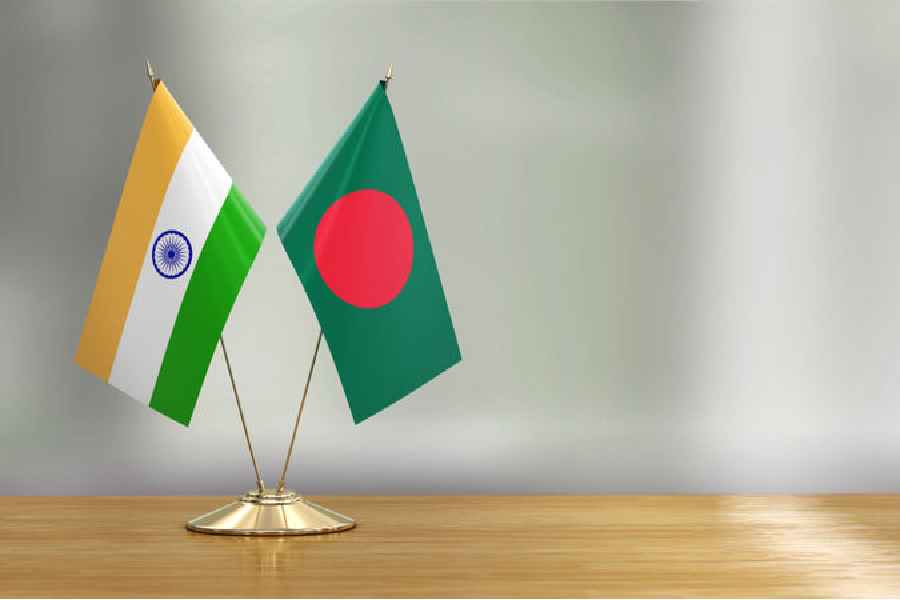
Extradition of Sheikh Hasina Feasible, Says Indian High Commissioner

Punjabi Makeup Artist Mad Sandhu Shot Dead in Amritsar
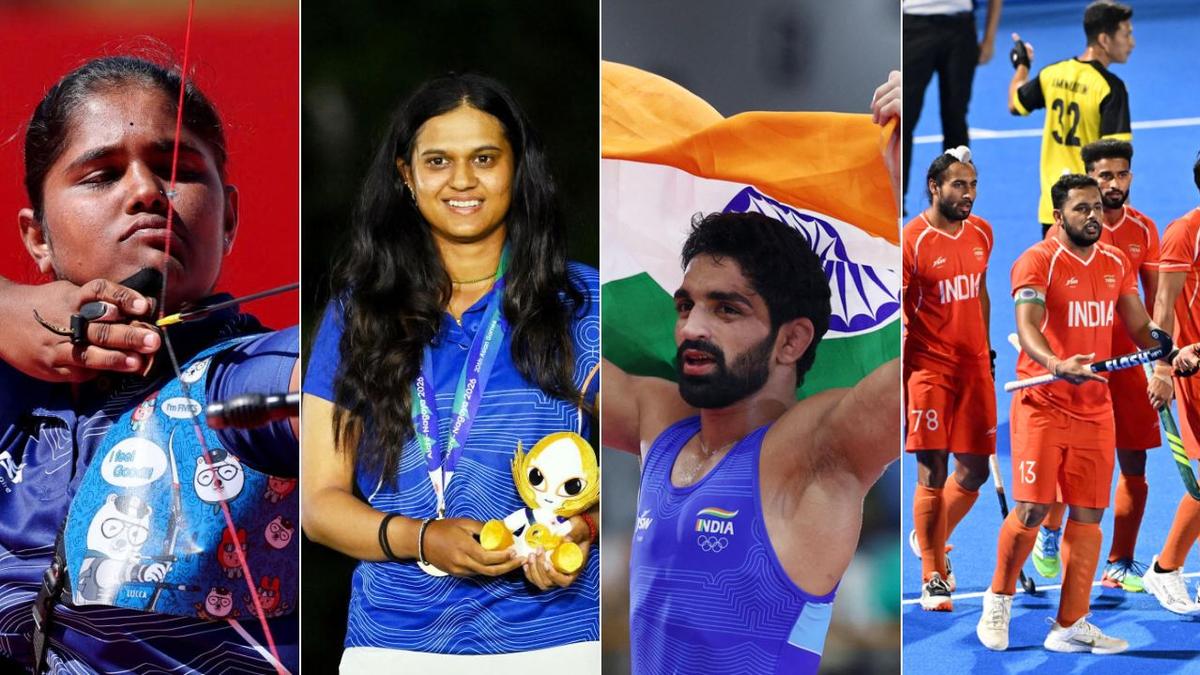
India Achieves Fourth Place at Asian Games 2026 Through Late Success