Russia and Ukraine Exchange Accusations Over Ceasefire Violations



Russia and Ukraine have each accused the other of violating ceasefires that were announced to coincide with the Victory Day celebrations, marking the Soviet Union's triumph over Nazi Germany in 1945. The Russian Ministry of Defence reported 1,365 ceasefire violations, including artillery and drone strikes, while claiming that Ukrainian forces continued to target civilian areas near the border. The municipality of Moscow also reported that approximately 20 drones were intercepted shortly after the ceasefire commenced at midnight local time.
Russian President Vladimir Putin declared a ceasefire for 8-9 May as part of the Victory Day commemorations, following Ukraine's earlier call for an indefinite ceasefire starting 6 May. Moscow, meanwhile, has warned Ukraine against any attempts to disrupt the festivities in Red Square, threatening a significant missile counterstrike on Kyiv should it be attacked.
The atmosphere in Moscow is notably tense, with residents advised of restricted mobile internet access for security purposes. This year's Victory Day parade will occur without the usual display of military vehicles, which is a departure from nearly two decades of tradition. Only a limited number of foreign dignitaries, primarily from Belarus, Malaysia, and Laos, will attend, reflecting the changing international relations surrounding Russia.
In a recent post on the messaging platform Telegram, Ukrainian President Volodymyr Zelensky claimed that his forces had encountered over 140 attacks from Russia during the initial hours of the ceasefire. He characterised these actions as clear evidence of Russia's reluctance to genuinely halt hostilities, stating, "All of this clearly indicates that there was not even a simulated attempt from the Russian side to cease fire at the front."
On the other side, the Russian Defence Ministry claimed that Ukrainian strikes had targeted several industrial sites in various regions, alongside a drone attack that led to the temporary suspension of operations at 13 airports in southern Russia. The situation has further escalated following reports of attacks on civilian infrastructure by Ukrainian forces.
Compounding the conflict, European Council President António Costa acknowledged the potential for the European Union to engage in negotiations with Russia to seek an end to the ongoing war. Costa asserted that he has had discussions with the leaders of the 27 EU member states regarding the necessary steps to initiate dialogue, provided that Zelensky supports these efforts.
In response, Kremlin spokesperson Dmitry Peskov stated that while Russia is amenable to discussions, it would not initiate contact. The United States has previously facilitated various rounds of talks between the two nations, yet progress has been limited, leading to concerns about Washington's focus potentially shifting elsewhere.
In the meantime, separate from the ceasefire tensions, Ukrainian emergency services are grappling with a large wildfire in the Chornobyl exclusion zone, exacerbated by adverse weather conditions and unexploded landmines from ongoing military activity. The fire has already consumed approximately 11 square kilometres, although authorities at this time report that radiation levels remain within safe limits.
This situation underscores the ongoing challenges facing both nations, from active military engagements to environmental disasters, all while the prospect of peace negotiations remains uncertain.
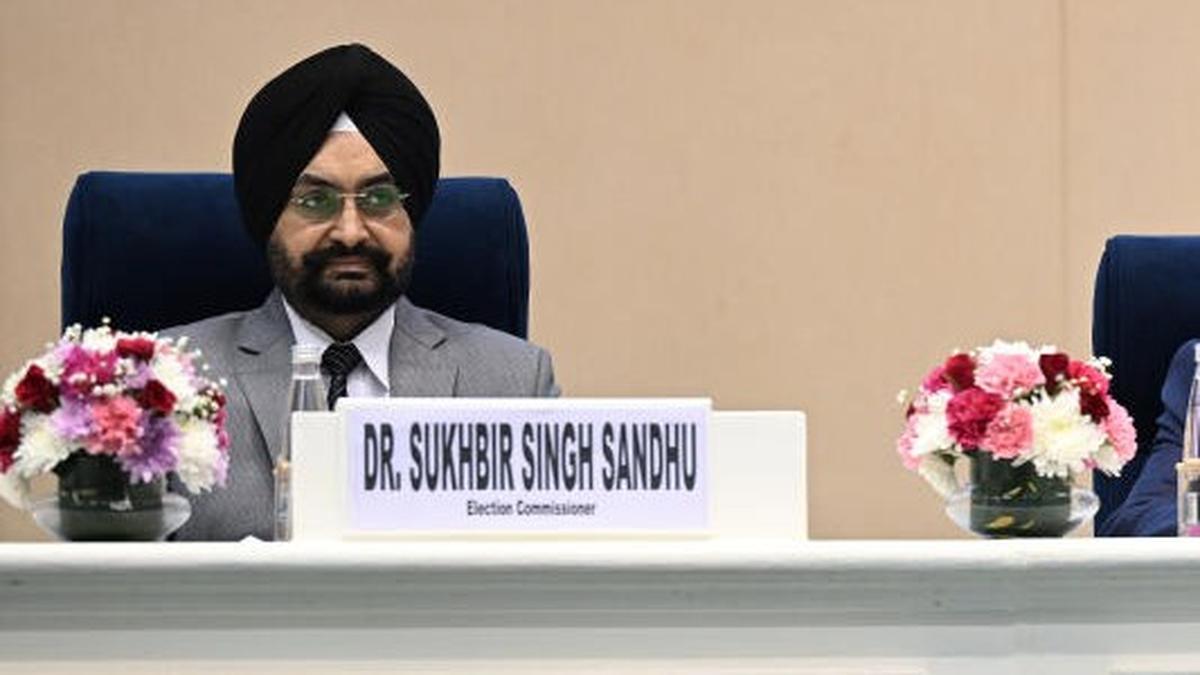
Concerns Rise Over Delhi Voter Registration Discrepancies
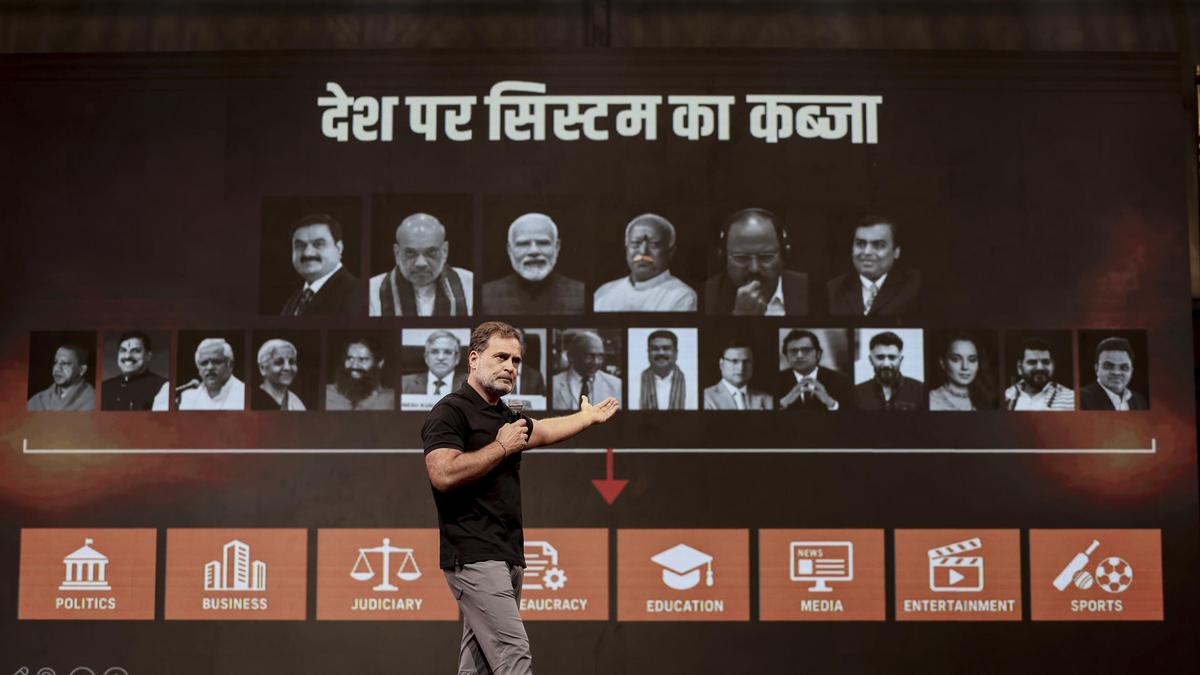
Controversy Erupts Over Rahul Gandhi's PM Modi Mimicry at Event

Father of IIT Bombay Student Calls for Action Against Discrimination
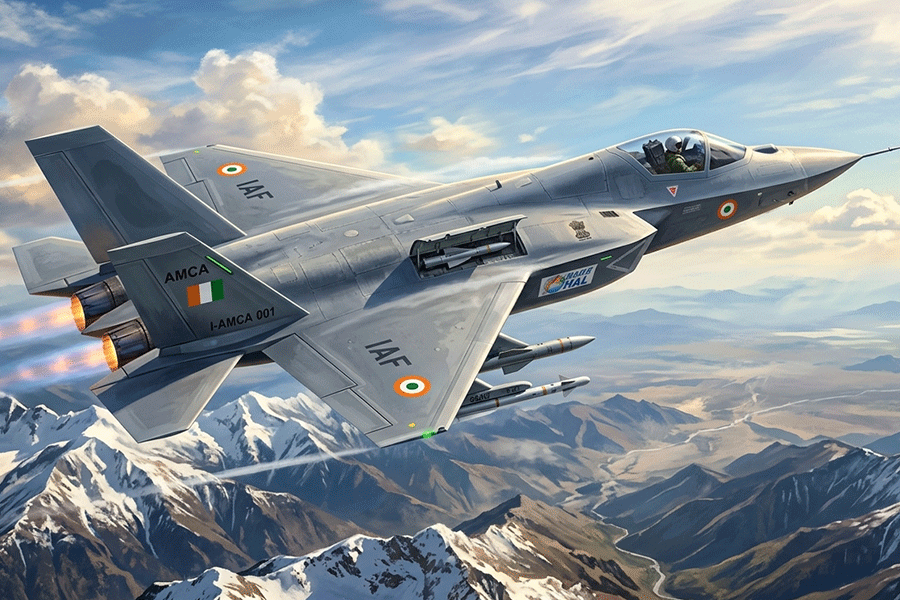
India and Japan Conduct Joint Air Exercise 'Veer Guardian-2026'