Risks of Excessive Supplementation in a Healthy Diet


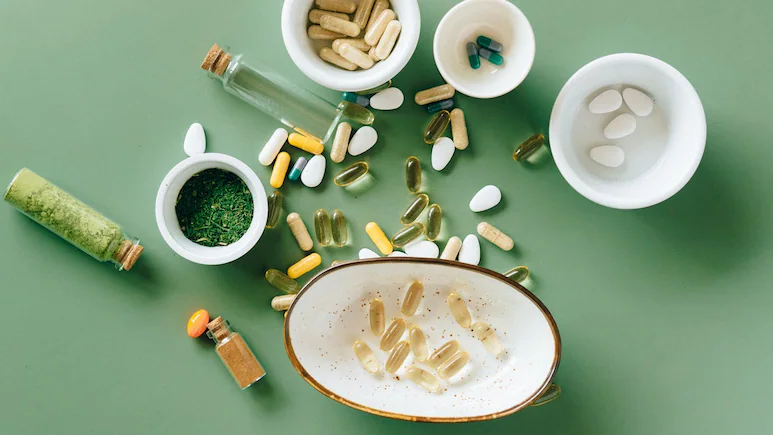
For many individuals focused on health, dietary supplements are often seen as the final touch in achieving wellness. However, the pursuit of a ‘perfect’ diet might backfire, as piling on supplements can pose unforeseen dangers, including adverse side effects that may dwarf the benefits they are intended to provide. A prime example involves the experience of a person who developed peripheral neuropathy—characterised by tingling, burning, or numbness, usually in the extremities—after consuming a vitamin B6 supplement recommended for premenstrual syndrome. Peripheral neuropathy has been identified as a significant side effect of high doses of vitamin B6.
The daily intake of vitamin B6 suggested for adults under 50 is approximately 1.3 milligrams, while older men and women should aim for 1.7 milligrams and 1.5 milligrams, respectively. However, the daily supplement of 100 milligrams that this individual consumed vastly exceeded the recommended levels and surpassed the upper limit of 50 milligrams, beyond which there is an increased risk of nerve damage. With vitamin B6 being readily available in a variety of common foods such as poultry, fish, organ meats, starchy vegetables, fruits, nuts, legumes, and whole grains, excess supplementation becomes less justifiable.
Nonetheless, vitamin B6 has been shown to be beneficial in specific scenarios, such as alleviating nausea in pregnancy and managing particular types of anaemia. It may also contribute positively to certain symptoms related to premenstrual syndrome, as noted in a 2025 article from Nutrition Reviews. Despite its potential benefits for conditions like premenstrual syndrome when taken in lower doses, the risk of serious side effects associated with high dosages cannot be ignored. Long-term use of vitamin B6 exceeding 100 milligrams has been linked to various adverse effects, necessitating careful consideration of dosage against potential harm.
In the broader context of health, appropriate supplementation can indeed serve as a beneficial health tool, provided it is approached with caution. Medical professionals report a growing number of cases involving side effects attributed to excessive supplement use among those who are otherwise healthy and nutritionally sufficient. These side effects may manifest as gastrointestinal disturbances, neurological symptoms, or more severe issues such as nerve damage and liver or kidney complications.
Notably, vitamin B6 is not alone in carrying warnings; high doses of vitamins A and B3 have been shown to disrupt liver function, while excessive consumption of vitamins C or calcium can lead to kidney stones. Moreover, taking high amounts of one supplement can interfere with the absorption or functioning of others. For instance, too much zinc can induce a deficiency of copper and interact negatively with prescribed medications.
The misconception that higher quantities of essential nutrients will yield better health can lead to unfortunate outcomes for consumers. Evidence suggests that regular users of dietary supplements often have nutrient intakes that are already higher than their non-supplementing counterparts, raising questions about the necessity of additional supplements unless a specific health issue exists. Adopting a varied, balanced diet typically reduces the chances of both insufficient and excessive nutrient intake, proving to be a more effective and safer approach than indiscriminate supplement consumption. Whole foods not only provide known nutrients but also offer valuable, unidentified compounds—all at a lower cost than supplements.
Before considering the purchase of dietary supplements, individuals are advised to evaluate their nutritional habits thoroughly and, if needed, consult a registered nutritionist or dietitian for tailored advice. This proactive approach can help optimise health without incurring the risks associated with excess supplementation.

Kerala Initiates Probe into 2006 Suicide Case Involving CEC

Extradition of Sheikh Hasina Feasible, Says Indian High Commissioner

Punjabi Makeup Artist Mad Sandhu Shot Dead in Amritsar

India Achieves Fourth Place at Asian Games 2026 Through Late Success