Rise in Shipping Through Omani Route as Iran's Control Diminishes


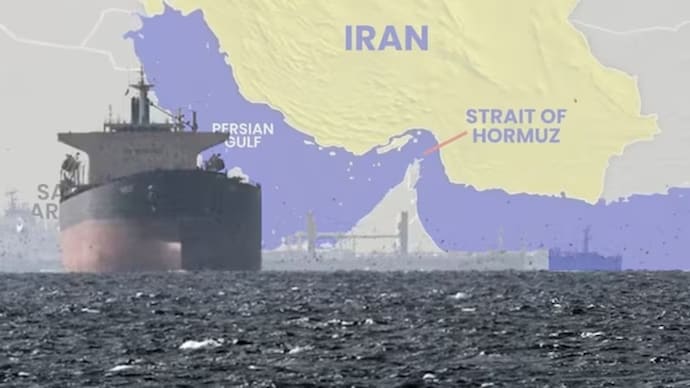
The Strait of Hormuz, a critical maritime corridor, is witnessing a significant shift in shipping patterns, as recent data reveals that more than 80 per cent of vessels have been favouring a route along the Omani coastline over the past fortnight. This information, collected by Kpler and reported by CNN, suggests a decline in Iranian control over the strategic waterway, which has become a focal point in the ongoing tensions between Tehran and Washington.
Historically, the Strait has been a contested area, with both Iran and the United States asserting their interests. However, the present trend indicates a dramatic change in the operational dynamics of shipping in this region. Homayoun Falakshahi, head of crude oil analysis at Kpler, noted, "It increasingly looks like Iran has at least partially lost control of the strait."
The Omani route, which is officially sanctioned by the United Nations, has faced opposition from Iran, which has previously claimed jurisdiction over navigational rights in the area. Despite these risks, the number of vessels opting for this path has risen sharply—transitioning from virtually no traffic just a month ago.
US naval forces have played a crucial role in providing security for these vessels, allowing shipping companies to seek safer alternatives amidst Iranian threats, including direct attacks on vessels close to Oman’s northern coast. This increased usage of the Omani route also poses challenges for Iran's ability to impose transit fees, a source of revenue it had previously sought from passing ships. As stated by Dan Pickering, founder and chief investment officer at Pickering Energy Partners, "Iran's request to collect tolls is something that most Middle East folks don't want to do and haven't been doing."
The evolving situation sheds light on the limitations of definitive control claims by either Iran or the US. Although Iran remains capable of threatening maritime traffic, the presence of American naval assets offers a protective buffer for commercial shipping. Concurrently, oil producers in the Gulf region—including Kuwait, Saudi Arabia, and the United Arab Emirates—are adapting their strategies for crude transportation by chartering Very Large Crude Carriers to transport oil outside the Persian Gulf, further indicating a shift towards safer shipping methods.
Some tankers have also taken precautionary measures to avoid detection, such as switching off transponders. This practice creates "dark traffic," complicating efforts to accurately track oil movements and assess control over the strait. Although the US asserts that oil transit figures show a more robust movement through the area than conventional estimates indicate, it does not fully support claims of complete control over the strait by Washington.
Despite President Trump's assertions of total control, the fluid situation underscores a more complex reality, characterised by ongoing Iranian threats and oil flow levels that remain below pre-war standards. The increase in vessels navigating the Omani route hints at Iran's waning influence in enforcing its terms.
Further complicating the scenario are discussions between Iran and Oman concerning navigation rights in the Strait of Hormuz. These negotiations, which are not involving US stakeholders, have raised concerns within the Trump administration. It remains uncertain whether a potential agreement would influence shipping practices or affect control dynamics in the strait.
In conclusion, the available data suggests that a credible claim to absolute control over the Strait of Hormuz by either Iran or the US is increasingly elusive, reflecting a changing balance of power in the region. The ability of Iran to threaten shipping routes persists, yet their capacity to enforce control appears to be diminishing amidst the evolving maritime landscape.

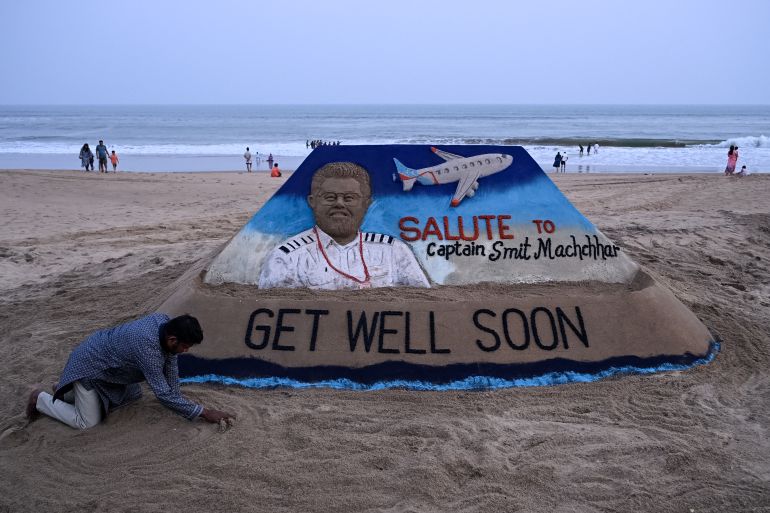
Social Media Celebrates Mumbai Pilot Captain Smit Machchhar
Flydubai Co-Pilot's Iran Allegations Involve Trump and Netanyahu
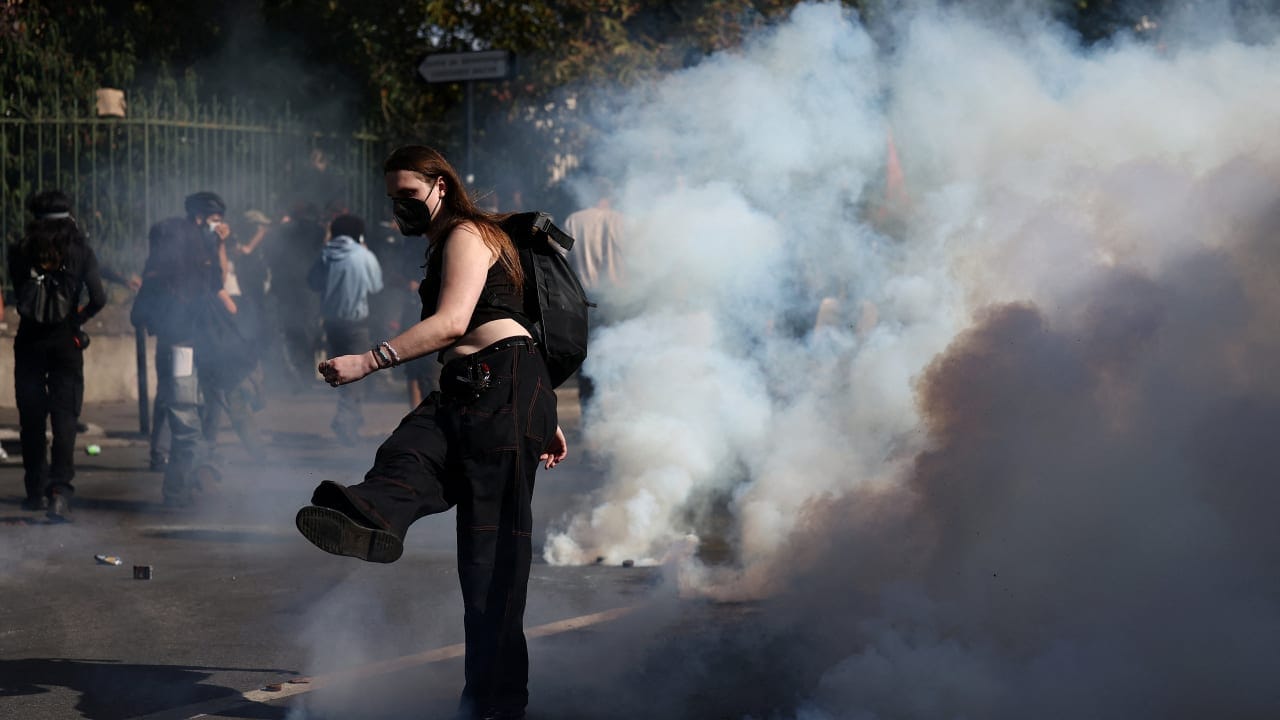
France's Student Protests Escalate into Nationwide Unrest

Mamata Banerjee Criticises Election Chief Over Poll Irregularities