Reserve Bank of India Raises Rates Amid Inflation Concerns


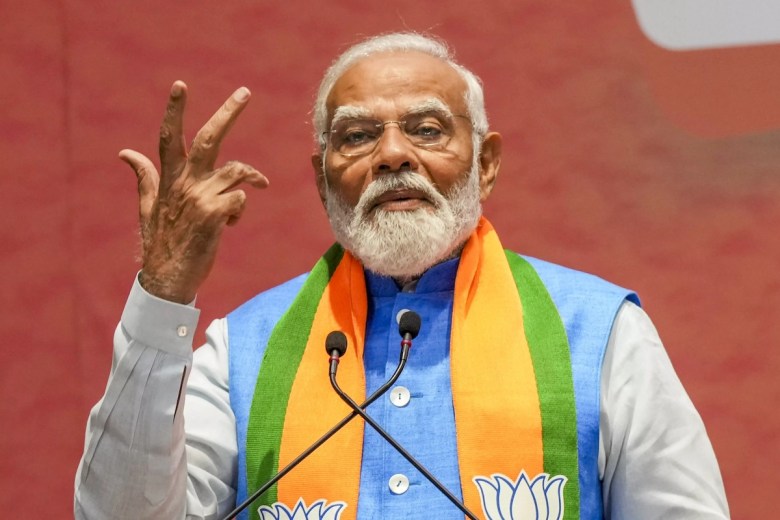
The Reserve Bank of India (RBI) has announced a significant interest rate hike, marking the first increase in almost four years. This decision comes in response to rising inflation and a declining rupee, affecting the country’s economic landscape. RBI Governor Sanjay Malhotra stated that the current situation necessitated this move. On Wednesday, the Monetary Policy Committee (MPC) raised the benchmark repo rate by 25 basis points, bringing it to 5.50%. This change pivots from a previously held ‘neutral’ stance to what the RBI calls ‘calibrated tightening.’ With this new approach, market participants should anticipate no rate cuts in the near future.
The MPC explained that the trajectory of future rate hikes would depend on inflation trends and underlying economic conditions. Specifically, they noted that the extent and duration of this tightening cycle would be influenced by the growth-inflation outlook, particularly concerning second-round effects from supply shocks and adjustments in demand. Since Sanjay Malhotra took office in December 2024, the RBI had been focused on rate cuts until now. This adjustment reflects the rapid shifts in economic conditions since the last policy meeting held in August.
Inflation rates have surged closer to 5%, with predictions that they might reach 6%, forcing the RBI's hand as they grapple with a depreciating currency. Additionally, global oil prices have surged back above $100 a barrel, adding further pressure to the already strained situation. Recent figures indicate that India’s foreign exchange reserves have seen a record weekly decline, prompting urgent interventions by the RBI to stabilise the rupee, which has faced significant declines, particularly in light of the ongoing geopolitical turmoil in the region.
The RBI’s decision has been a cause of concern for various economists. Gaura Sen Gupta, an economist at IDFC First Bank, remarked that there is potential for another 50 basis points increase by February. This would primarily aim to ensure that the real policy rate does not turn negative in light of rising inflation. However, some analysts, like Alexandra Hermann Prasad from Oxford Economics, contest this view, suggesting that the core inflation rate is not as concerning as it may appear, mentioning that the RBI might even have room to consider rate cuts in the future.
Moreover, the RBI faces challenges stemming from excess liquidity and low overnight lending rates, complicating their monetary policy efforts. The conflict in West Asia has been cited as a contributing factor impacting India's inflation, with increases in crude oil prices likely to escalate costs across several sectors.
Despite these challenges, India's economy has exhibited resilience. Manufacturing activity remains above the key threshold, with the purchasing managers’ index indicating activity levels conducive to economic growth. However, risks remain prevalent, and the transition to stable economic conditions could be hindered by the existing structural issues.
Under Prime Minister Narendra Modi’s administration, which has been in power since 2014, there have been ongoing discussions regarding economic reforms aimed at fostering sustainable growth. However, the pace of implementation has faced scrutiny. Among the flagship initiatives like ‘Make in India’ aimed at boosting manufacturing, there remains a significant gap in achieving desired growth levels, with the sector currently accounting for about 17% of the economy, below the targeted 25%.
As New Delhi navigates this precarious economic landscape, with oil prices contributing to inflationary pressures and external factors complicating local conditions, the upcoming months will be crucial in determining the trajectory of India’s economy. Such economic indicators will not only influence domestic policy but will also have broader implications for the region’s economic stability and growth.
Vote Counting Underway for Bypolls in India: Key Results Expected

GST Council Removes Tax Officers' Arrest Powers and Updates Rules
India Highlights Pakistan's Terrorism Rhetoric at UN Assembly
New GTA VI Leak Reveals Gameplay Footage and Nudity Features