Recent Attacks on Tankers Escalate Tensions in Strait of Hormuz


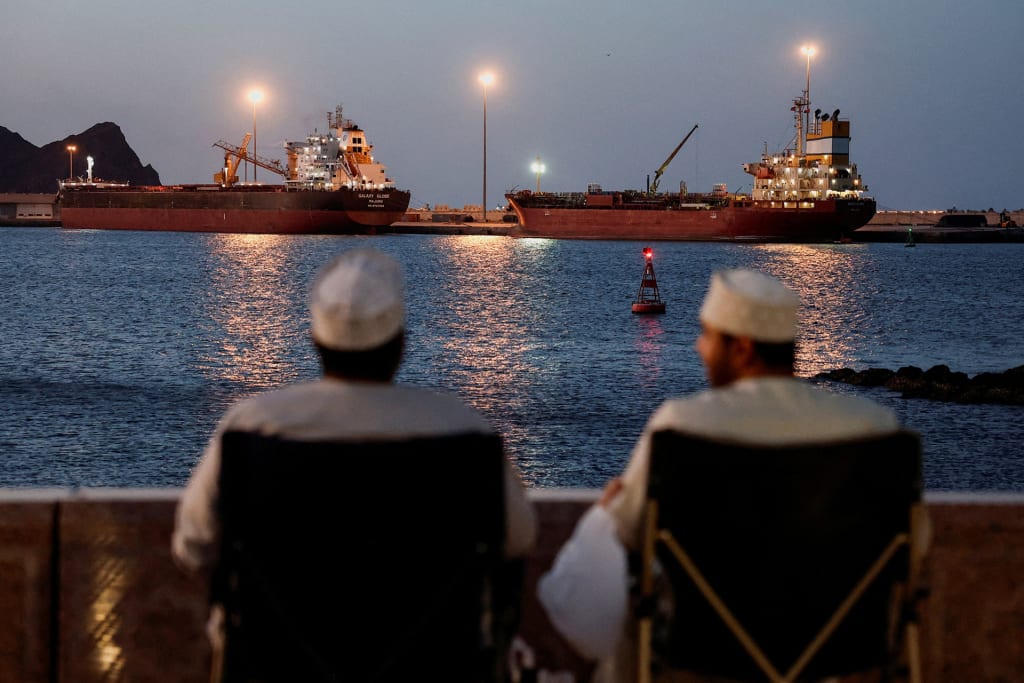
Recent events in the Strait of Hormuz have raised serious concerns about the security of maritime operations in the region. Two oil tankers were reportedly damaged after hitting naval mines while navigating a southern route deemed unauthorized by Iran. The Iranian Islamic Revolutionary Guard Corps (IRGC) Navy confirmed these incidents but did not provide the names of the vessels involved. In a separate announcement, Iran’s regular navy stated that another tanker suffered a fire and became incapacitated following a collision with a mine in the same area.
According to the United Kingdom Maritime Trade Operations agency, the first of the reported attacks involved a tanker that caught fire and was disabled seven nautical miles north of Khasab, Oman. In another incident, an unidentified projectile struck a tanker as it exited the strait, which also resulted in an engine room fire. No casualties have been reported from these situations, yet the connection to the mine strikes claimed by Iran remains ambiguous.
The incidents occurred amidst a noted increase in attacks on commercial vessels in the Gulf region. The United Nations’ International Maritime Organization has recorded 136 security incidents in the Strait of Hormuz and surrounding areas from March to November, with 35 of these occurring in October alone.
In addition to the tanker incidents, tensions heightened elsewhere in Iraq, where a drone alarm was raised over the Khor Mor gas field in the Kurdistan region. Two security sources reported sirens activated in response to the drone, although there were no immediate indications of damage or a strike. Just the previous week, production at Khor Mor was interrupted following a suspected drone attack that had ignited a fire and disrupted 2.8 gigawatts of electricity generation, according to Dana Gas, a facility operator.
This gas field is critical for electricity generation in the Kurdish region, making disruptions particularly concerning for local infrastructure. Such incidents have been frequently attributed to Iranian-supported armed groups, yet no specific group was named in relation to the recent drone sighting.
The situation has prompted the United States to bolster its military presence in the region, with the aircraft carrier USS Theodore Roosevelt recently arriving. This deployment brings the total number of American aircraft carriers in the region's command area to three, amid ongoing tensions with Iran. Diplomatic efforts aimed at reducing hostilities and ensuring safe passage through the Strait remain stalled, underscoring the precarious state of affairs in the Gulf region.
The escalation in attacks and military posturing in the region highlights the fragile nature of the energy supply routes critical to global commerce. The Strait of Hormuz plays a vital role in oil transportation, handling approximately one-fifth of the world’s oil supplies. As tensions persist, the safety of these shipping channels continues to be a matter of international concern.

Prime Minister Narendra Modi Arrives in Manila for ASEAN Summit

Congress Party Seeks Court Approval for Questions to Election Commission

Eight Die in Uttarakhand Bus Accident, 26 Injured in Rescue Operation

Amitabh Bachchan Posts Cryptic Message Following Arrests in Attack Plot