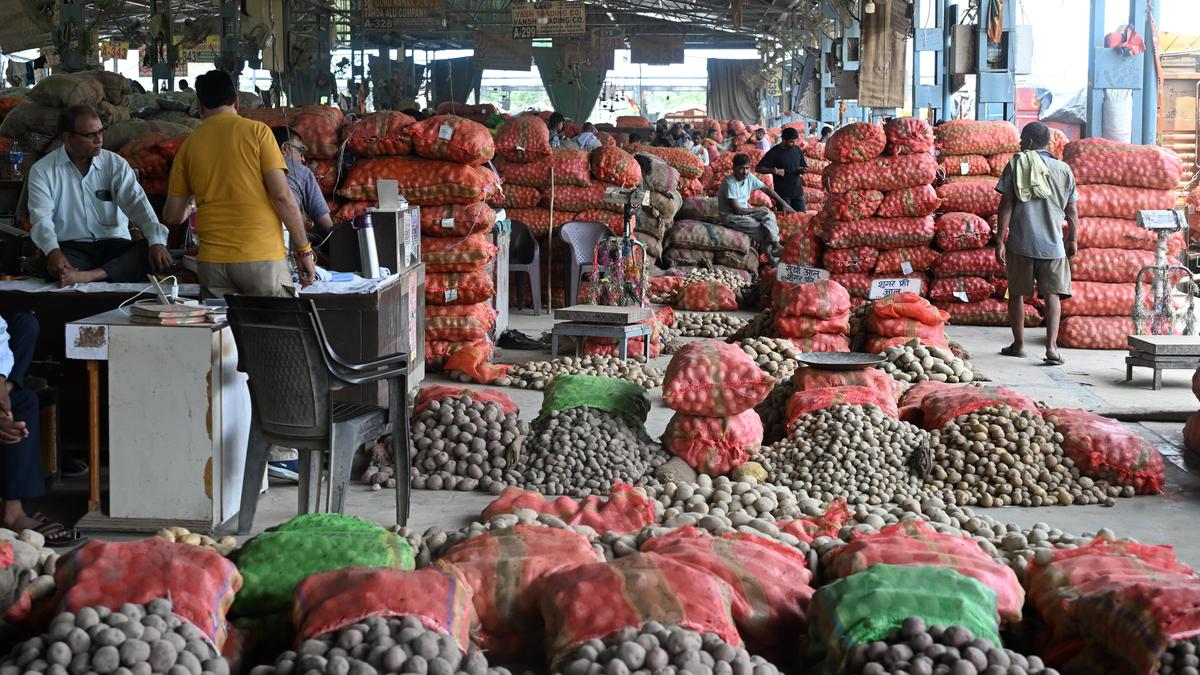
Prime Minister Narendra Modi Arrives in Manila for ASEAN Summit


Indian Prime Minister Narendra Modi arrived in Manila on Monday to participate in the 23rd ASEAN-India Summit and the 21st East Asia Summit. His visit marks a significant moment in fostering cooperation between India and Southeast Asian nations, particularly in defence matters with the Philippines. Upon arrival, Modi was welcomed with a guard of honour, indicating the importance of his trip.
The summit comes against a backdrop of increasing maritime tensions between China and the Philippines, especially in the South China Sea. The Philippine government is seeking to bolster its defence capabilities amidst ongoing territorial challenges, including disputes over the Scarborough Shoal and Second Thomas Shoal. Prime Minister Modi has expressed India's commitment to assist the Philippines in enhancing its military capacities.
Ahead of his departure, Modi outlined the strategic importance of India's relationship with the ASEAN countries, highlighting that these ties form a key component of India's Act East Policy. He stated, “Our relationship with ASEAN countries is at the heart of India's Act East Policy and occupies a central place in our MAHASAGAR vision.” This reflects India's objective to deepen engagement with the 11-member bloc in various domains, including trade, technology, and maritime security.
During his stay in Manila, Modi is scheduled to meet with Philippine President Ferdinand Marcos Jr. for bilateral discussions. This meeting is expected to focus on enhancing the Strategic Partnership established between the two nations, particularly in areas such as maritime domain awareness, military collaboration, and joint development of defence technologies.
India is not only looking to supply more BrahMos missiles but is also interested in expanding its cooperation in other military capacities. Discussions are underway regarding air-defence systems such as India's Akash missile system, as well as opportunities for co-development and joint production of defence equipment. The Philippines has recently signed a significant contract for BrahMos missiles and is considering additional orders to strengthen its coastal defence.
The ongoing disputes in the South China Sea have heightened the urgency for the Philippines to modernise its military. The United Nations Convention on the Law of the Sea recognizes certain entitlements belonging to the Philippines, which were upheld by a 2016 ruling from an international arbitral tribunal. However, this ruling has not deterred China from asserting its claims, leading to encounters between Chinese and Philippine vessels in contested areas.
In recent months, confrontations have escalated, particularly incidents where Chinese vessels obstructed Philippine resupply missions. These tensions are likely to be pivotal in discussions at the ASEAN summit, especially regarding efforts to formulate a regional Code of Conduct for the South China Sea.
The East Asia Summit serves as an important platform for leaders to address regional challenges and to foster dialogue on security and cooperation in the Indo-Pacific. Modi's participation alongside other leaders, including those from the Quad nations, underscores India's intention to play a proactive role in regional affairs and collaborative security efforts.
Overall, Prime Minister Modi’s visit is seen as a crucial step towards strengthening bilateral ties and addressing security concerns in a rapidly evolving geopolitical landscape.

Congress Party Seeks Court Approval for Questions to Election Commission
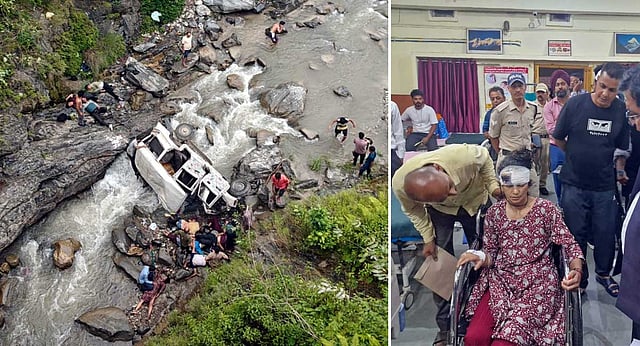
Eight Die in Uttarakhand Bus Accident, 26 Injured in Rescue Operation
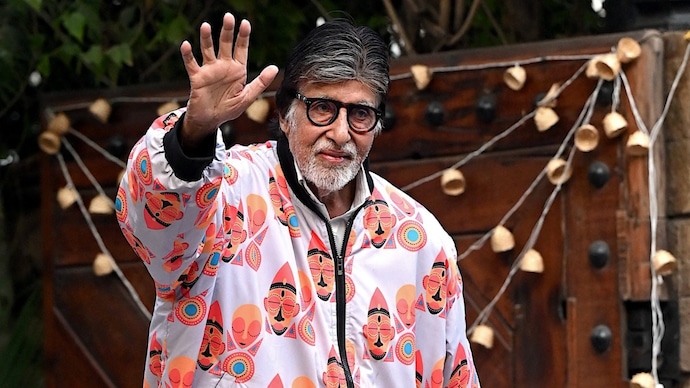
Amitabh Bachchan Posts Cryptic Message Following Arrests in Attack Plot
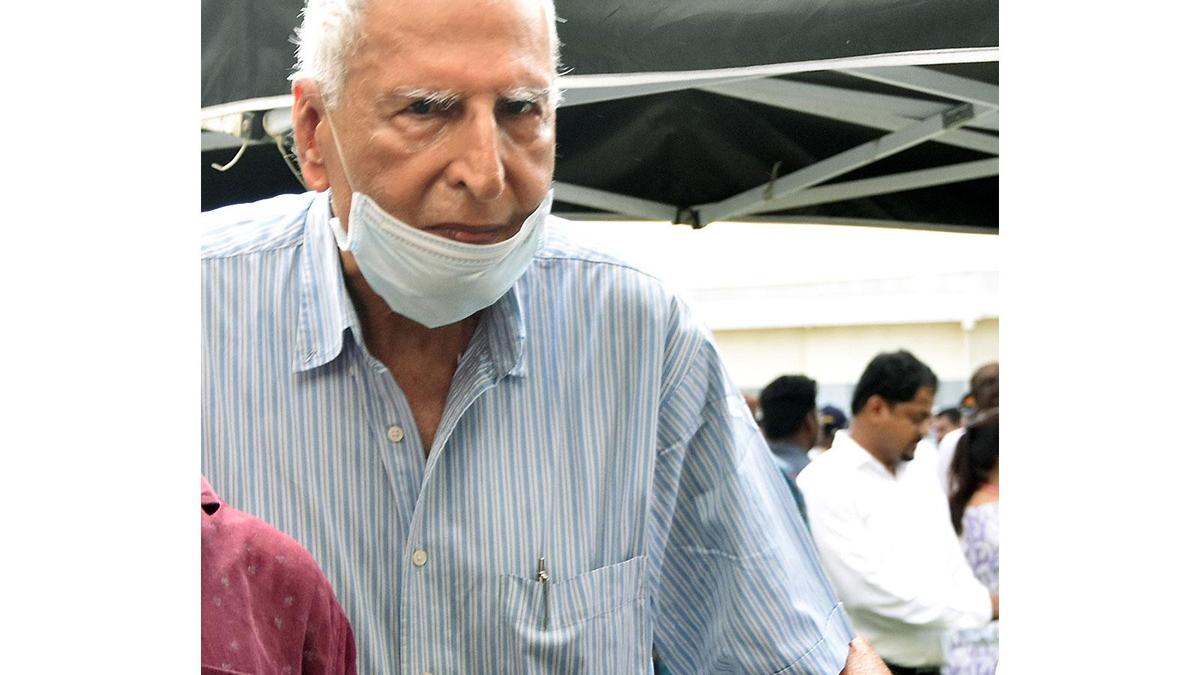
Concerns Raised Over Alleged 'Back-Door Takeover' at Tata Sons