RBI Governor Emphasises Caution on Cryptocurrencies in India


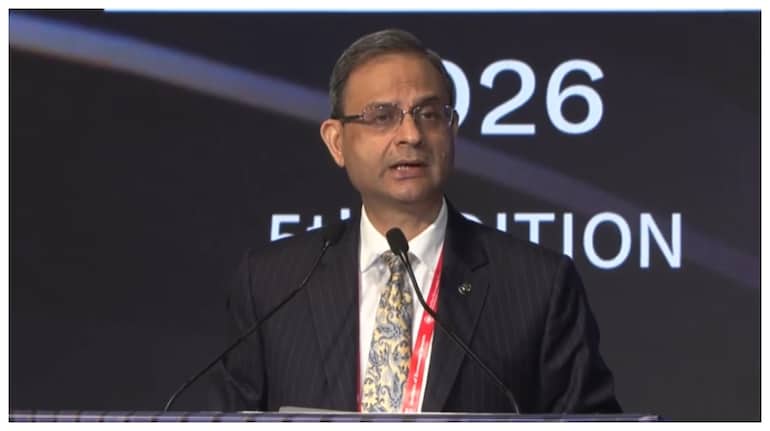
India is adopting a cautious strategy regarding cryptocurrencies while simultaneously endorsing the underlying technologies such as distributed ledger technology and tokenisation. Sanjay Malhotra, Governor of the Reserve Bank of India (RBI), articulated this approach during his address at the Kautilya Economic Conclave.
Malhotra pointed out concerns related to monetary sovereignty, capital flows, and the implications for monetary policy, particularly in emerging markets. He indicated that while there is support for innovation in technologies associated with crypto assets, the potential risks surrounding cryptocurrencies necessitate a careful approach.
‘Our stance has been to encourage the development of underlying technologies while exercising caution regarding cryptocurrencies,’ Malhotra stated, highlighting that some of these technologies are already being utilised in partnerships with the private sector.
The RBI Governor expressed that cryptocurrencies threaten the ‘singleness of money’ and have significant implications for monetary policy, especially in countries where capital flow restrictions exist. He noted that domestic payment systems are now fast and efficient, suggesting that the challenges are more prominent in the sphere of cross-border payments. To tackle this, alternative solutions such as Central Bank Digital Currencies (CBDCs) need to be explored.
Furthermore, Malhotra addressed the rising public debt and the increase in bond yields on a global scale, asserting that bond yield fluctuation mirrors demand and supply dynamics. He attributed the clampdown on spending, partly driven by advancements in artificial intelligence (AI), as a precursor to tightening bond yields.
‘As government and private sector spending increases, particularly due to AI, money becomes scarce, affecting bond yields.' He elaborated that the RBI’s monetary policy is primarily concerned with domestic growth-inflation dynamics; however, he acknowledged that global interest rates also affect India directly through their influence on domestic real interest rates.
This comprehensive view underscores India's current position towards cryptocurrencies and reflects a measured, strategic outlook in navigating the complexities associated with evolving financial technologies.

G7 Nations to Release 100 Million Barrels of Oil Amid Price Surge

Ajay Rai Responds to Replacement as UP Congress Chief

Violent Student Protests Erupt Across France Amid Tensions

Taiwan Receives New F-16 Fighters: Strategic Implications