Rahul Gandhi Faces New Challenges in Critique of BJP Government


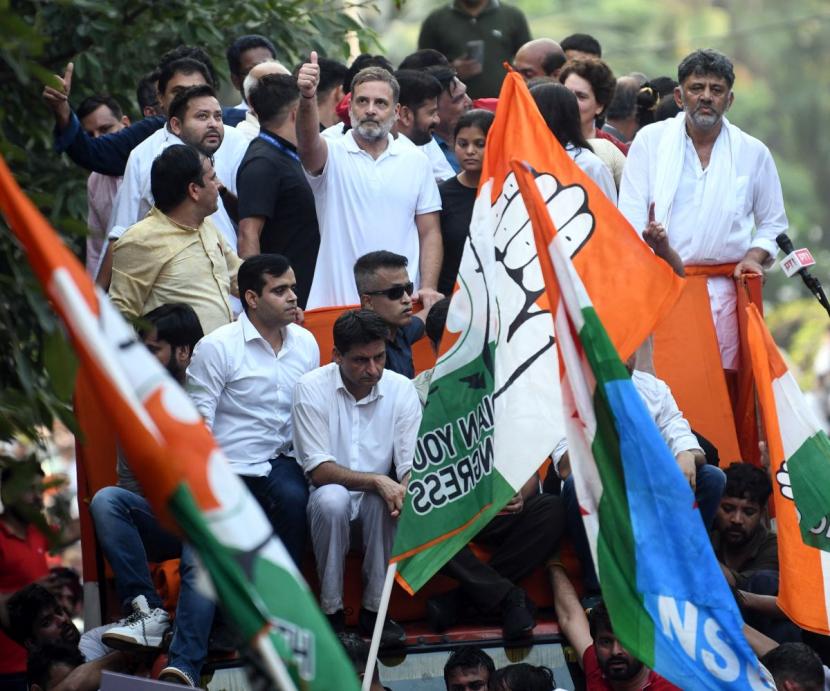
The ongoing conflict between Congress leader Rahul Gandhi and the ruling Bharatiya Janata Party (BJP) has taken a new turn as internal and external pressures mount. Concerns are growing within the Congress party about the effectiveness of Gandhi's criticisms towards the BJP and its allies, as well as the influence of emerging political groups.
Political observers note that Gandhi has become one of the most vocal critics of alleged electoral malpractices in India. However, his call for mass protests against Chief Election Commissioner Gyanesh Kumar and the broader electoral process has yet to resonate widely with the electorate. Gandhi's focus on irregularities, such as voter deletions and additions that benefit the ruling party, has not translated into significant public support.
A notable development in this landscape has been the explosive coverage by The Indian Express, which highlighted serious issues within the Election Commission. The investigation revealed practices that have raised questions about the integrity of the electoral process. According to this report, the Election Commission has become increasingly defensive in the face of these allegations.
As Gandhi intensifies his campaign against Kumar and Prime Minister Narendra Modi, the Congress faces competition from new political entities, such as the Cockroach Janta Party (CJP). This pressure group emerged recently and has quickly mobilised protests to draw attention to the poor state of India’s educational system.
Interestingly, the Congress party initially hesitated to engage with the CJP's demonstrations, with some leaders voicing concerns about the legitimacy of the new group, suggesting it might be a political front orchestrated by rival factions. Despite its rapid rise, Congress leaders are reportedly unsettled by the CJP's success in connecting with the public on pressing issues.
The CJP's protests have gained traction, leading to significant political changes, including the resignation of an education minister, showcasing its ability to impact the political landscape. However, despite these developments, Gandhi appears to regard the CJP's actions as a challenge to his leadership within the opposition.
Gandhi's supporters continue to express skepticism about the motivations behind the CJP, with some Congress leaders accusing it of being a creation aimed at undermining the party's position. This criticism reflects a growing unease within the Congress about its relevance in an evolving political ecosystem.
The tensions between the Congress and the CJP have not gone unnoticed, with other opposition parties, including the Shiv Sena (UBT), openly questioning Congress's strategy. Uddhav Thackeray, a prominent leader of the Shiv Sena, recently challenged Gandhi's focus on internal rivalries rather than the BJP's governance.
As Gandhi and the Congress navigate these turbulent waters, it remains unclear how they will reconcile their criticism of the election process with the electoral realities that have seen the BJP maintain a foothold in Indian politics. With a significant electorate potentially disillusioned with both the ruling party and traditional opposition options, the coming months will be crucial in shaping the future of opposition politics in India.
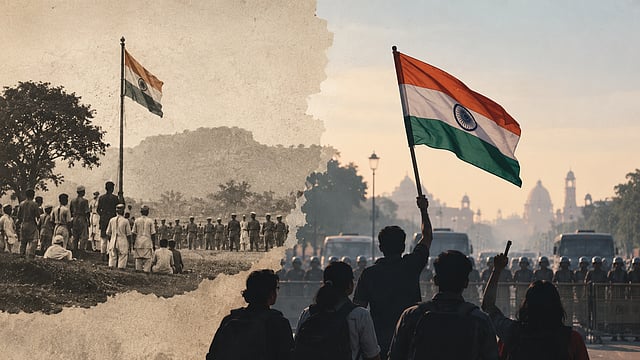
Police Crackdown in Delhi Reminiscent of 1938 Mysore Firing

Elon Musk Allegedly Cuts Child Support for Ashley St. Clair
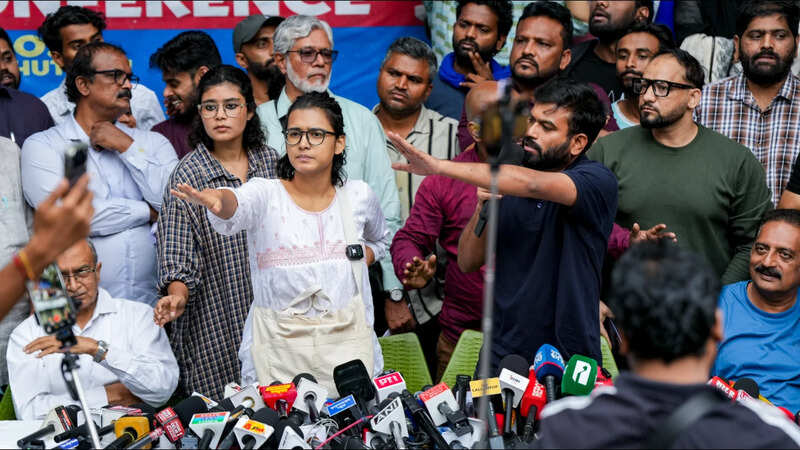
Delhi Police Detains Activist Abhijeet Dipke Amid Protests

Uttarakhand Minister's charges against husband