Rahul Gandhi Critiques NEET UG Paper Leaks at Dehradun Rally


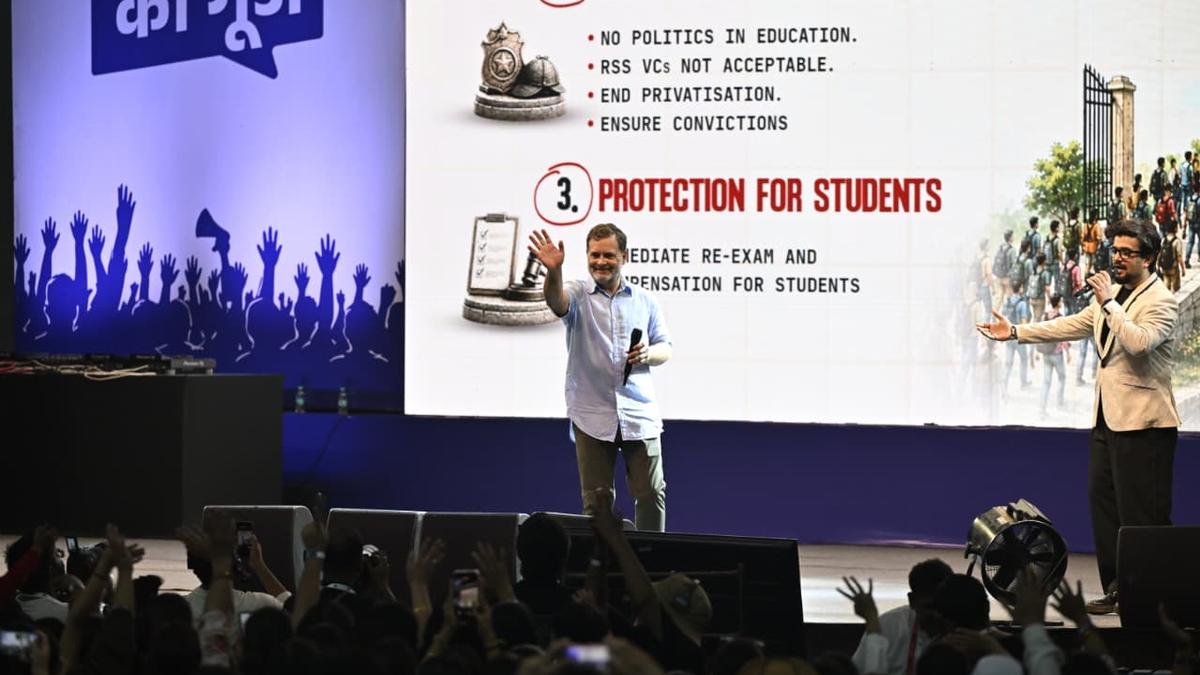
Rahul Gandhi, the Leader of the Opposition in the Lok Sabha, delivered a sharp critique of the Indian government's handling of examination integrity during a rally called 'Chhatron Ki Goonj' in Dehradun on Friday. He raised concerns over repeated incidents of examination paper leaks, suggesting that sophisticated technology is being utilised to manipulate recruitment and entrance examinations.
During his address, Gandhi presented various visuals to illustrate his arguments, claiming that leaked question papers are being treated like commodities with set prices. He specifically highlighted a chart he labelled 'Paper Ka Rate', which allegedly listed prices for leaked examination papers, including ₹40 lakh for the National Eligibility cum Entrance Test (NEET) for the undergraduate level in 2026 and ₹15 lakh for the Indian Institutes of Technology Joint Entrance Examination (IIT-JEE) in 2021. Other mentions included ₹10 lakh for the Bihar Teacher Recruitment 2024 and ₹25 lakh for the Odisha Police Sub-Inspector 2025 exams.
Gandhi remarked, "High technology being used for paper leaks; if you have crores, you can select from a menu card of paper leaks." He identified what he termed as four injustices that students face within the current education framework. According to him, these include the rising cost of education, limited opportunities, and the pervasive issue of paper leaks.
"The state of India's education system is such that paper leaks have become the norm," Gandhi stated, emphasising that these occurrences harm honest students. He argued that more than 7.5 crore students have been impacted by 152 reported cases of paper leaks, yet there have been no significant convictions related to these incidents. Gandhi pointed to the extent of the issue, suggesting that the problem permeates various layers of the examination ecosystem, including the Ministry of Education, exam agencies, vendors, and educational centres.
He called for immediate reforms and support for students adversely affected by the leaks. Gandhi asserted that affected candidates should receive protection and compensation, advocating for immediate re-examinations where necessary.
His proposed solutions included moving towards a student-centric examination system, characterised by secure question banks and randomised question papers. He expressed that the existing examination framework is outdated, being more suited to the 19th century than the modern technological landscape.
In a call for collaboration, Gandhi urged political consensus to address the issue of paper leaks, asserting that it should not be a partisan topic. "There can be political consensus on ending paper leaks which everyone must implement," he said, stressing the need for collective effort to reform the education system.
Kerala Initiates Probe into 2006 Suicide Case Involving CEC
Extradition of Sheikh Hasina Feasible, Says Indian High Commissioner

Punjabi Makeup Artist Mad Sandhu Shot Dead in Amritsar
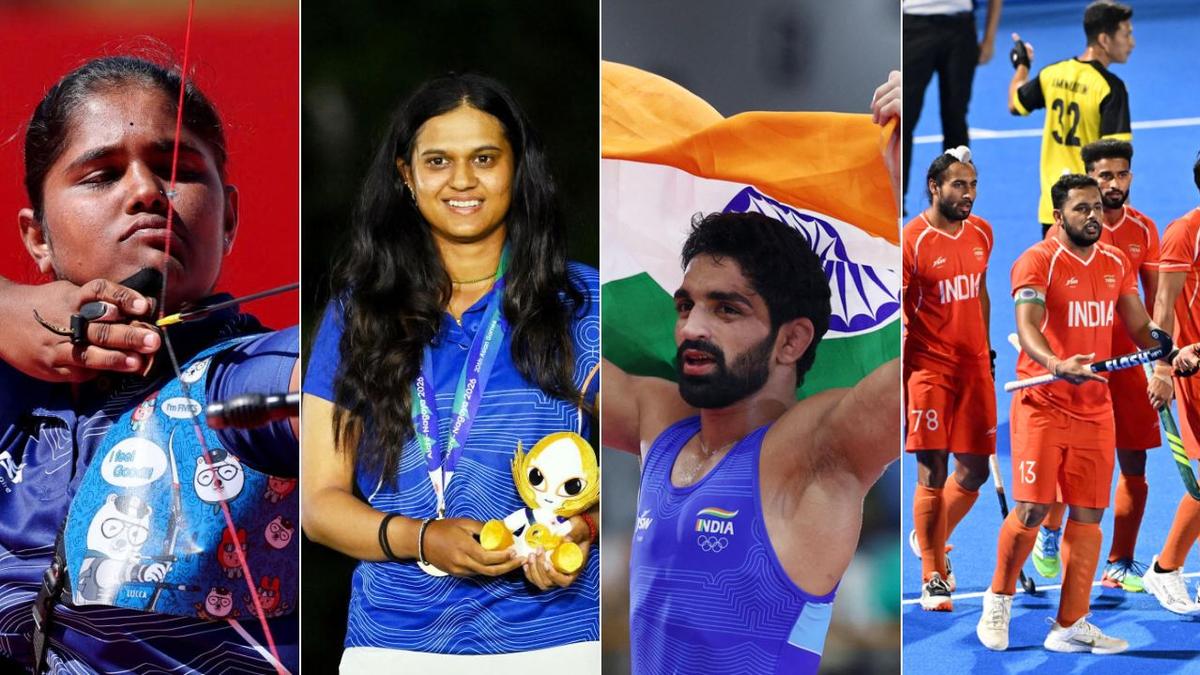
India Achieves Fourth Place at Asian Games 2026 Through Late Success