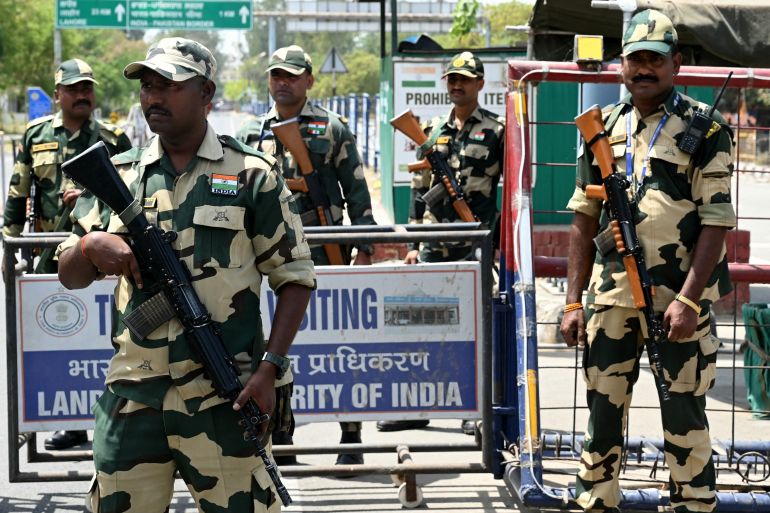
Quad Foreign Ministers Gather Amidst Geopolitical Challenges


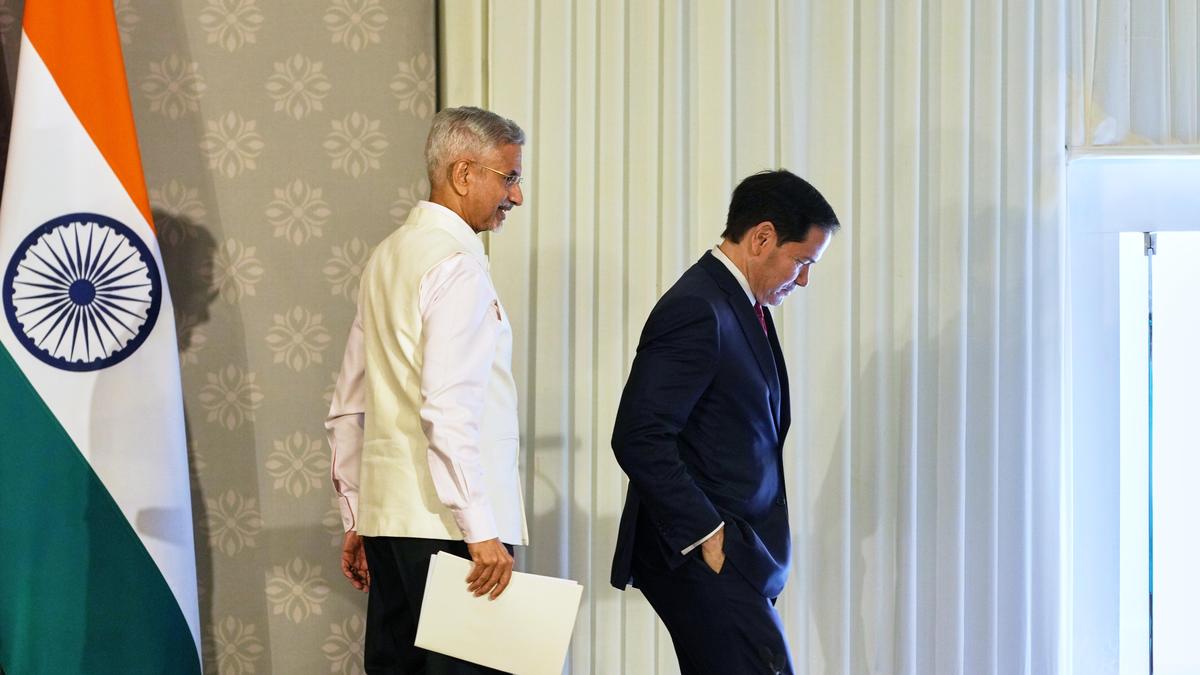
The meeting of the Foreign Ministers of the Quadrilateral Security Dialogue (Quad) is set to take place on May 26, 2026, in New Delhi. Hosted by External Affairs Minister S. Jaishankar, the assembly will include significant figures such as U.S. Secretary of State Marco Rubio, Australian Foreign Minister Penny Wong, and Japanese Foreign Minister Toshimitsu Motegi. This marks their first assembly in nearly a year, following their previous gathering on July 1, 2025, where they streamlined their focus into four main areas: maritime and transnational security, economic prosperity, humanitarian assistance, and the new Quad Critical Minerals Initiative.
Geopolitical tensions, particularly those concerning the United States’ involvement in Iran and broader global dynamics, pose challenges for the Quad. The ongoing U.S.-Israel strikes and related military actions have raised questions about the grouping's sustainability. The Foreign Ministers will also discuss the possibility of scheduling a Quad Summit in India later this year, amid uncertainties on whether to maintain their meetings at the ministerial level alone, a format used prior to 2021.
Recent complexities in India-U.S. relations could hinder progress on Quad initiatives. Strained ties have arisen from differences over the India-Pakistan situation, fluctuating trade talks, and U.S. tariffs imposed on Indian goods. Rubio's visit to India has been overshadowed by his attempts to navigate difficult questions regarding remarks made by U.S. President Donald Trump on India. During a press conference, Rubio responded to criticism of Trump’s recent comments on social media stating, "People say stupid stuff all the time on social media and in every country in the world, unfortunately."
The dialogue will also be influenced by future travel schedules of leaders from the Quad nations. Prime Minister Narendra Modi is anticipated to attend various international meetings, including the G-7 outreach in France and a visit to multiple countries in the Asia-Pacific region later this summer. The rotating presidency of the Quad may soon pass from India to Australia due to logistical challenges.
Moreover, U.S. military policy regarding Taiwan has shifted, with indications that the U.S. is becoming less aggressive in providing arms to the island, which may influence the Quad’s strategic cohesion. Ongoing discussions about U.S.-Iran relations could further complicate Quad deliberations, especially as they pertain to trade and energy security in the Indo-Pacific region.
Despite differing membership statuses—Australia and Japan being treaty allies of the U.S., while India is not—this meeting represents a significant step in addressing shared concerns. The effectiveness of the Quad will largely rely on the ability of its members to restore mutual trust and collaboration amidst ongoing geopolitical tensions.
Kerala Initiates Probe into 2006 Suicide Case Involving CEC
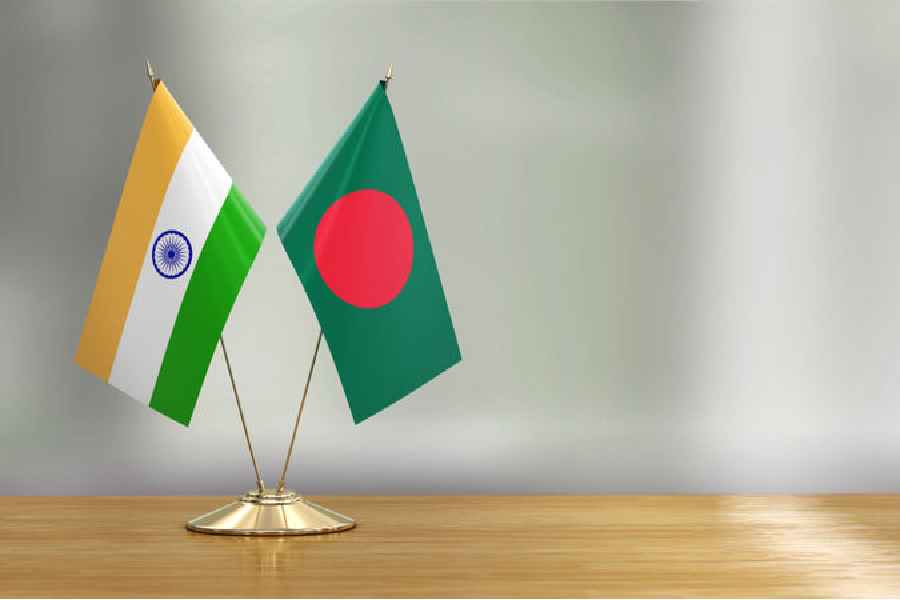
Extradition of Sheikh Hasina Feasible, Says Indian High Commissioner

Punjabi Makeup Artist Mad Sandhu Shot Dead in Amritsar
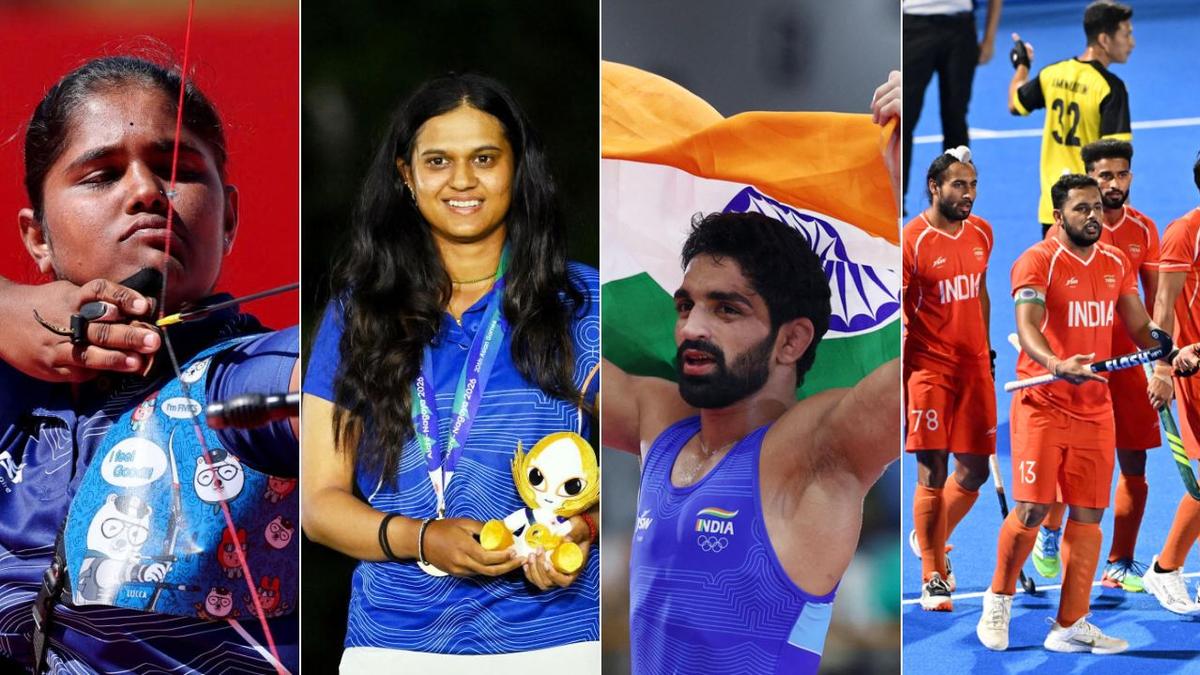
India Achieves Fourth Place at Asian Games 2026 Through Late Success