Putin Promises Energy and Fertiliser Supplies to India Amid Crises


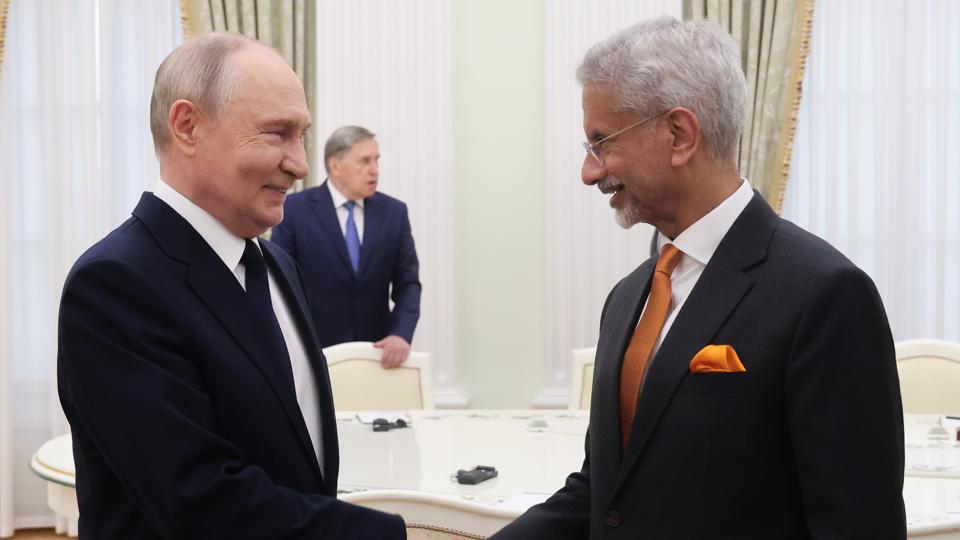
Russian President Vladimir Putin has assured India of continued supplies of energy and fertilisers, amidst disruptions caused by the ongoing conflicts in West Asia. During a meeting with India's External Affairs Minister, S. Jaishankar, in Moscow, the focus was placed on strengthening bilateral trade, which has surged to $50 billion this year.
Jaishankar highlighted that while trade has increased, it has resulted in a notable imbalance, emphasising that addressing this issue is crucial. He expressed optimism about upcoming meetings with Indian Prime Minister Narendra Modi scheduled around the Shanghai Cooperation Organisation (SCO) Summit in Kyrgyzstan and the Brics Summit in New Delhi.
Putin confirmed during the talks that Russia is progressively escalating its fertiliser supplies to India, which is vital for the nation’s agriculture sector. He stated, “We are doing everything to resolve this issue for Indian farmers.” The Russian leader also noted improvements in cooperation on nuclear energy and high-tech sectors.
Jaishankar conveyed Prime Minister Modi's hope that Putin would attend the Brics Summit set for September 12-13, where leaders are expected to discuss global economic challenges and enhance multilateral cooperation.
Additionally, Jaishankar underscored the significant rise in bilateral trade in goods, which increased from $13 billion in 2021-2022 to nearly $60 billion projected by 2025-2026. However, the widening trade imbalance, which has jumped from $6.6 billion to over $50 billion, poses a challenge.
Addressing the imbalance, Jaishankar stated, “Progress on market access, removal of tariff and non-tariff barriers, strengthening payment mechanisms, and stronger business-to-business engagement will be critical.” He proposed focusing on implementing outcomes, enhancing business engagement, and identifying regulatory bottlenecks.
Discussions between Jaishankar and Denis Manturov, Russia’s First Deputy Prime Minister, included a wide range of topics such as investments, energy, and cooperation on trade agreements with the Eurasian Economic Union. Manturov noted Rosatom’s involvement in building the Kudankulam nuclear power plant in Tamil Nadu, which could redefine nuclear energy collaboration between the two nations.
Furthermore, both sides are exploring opportunities in space exploration, as well as joint projects in the extraction of non-ferrous and rare earth metals. They also announced the anticipated assembly of a high-speed electric train prototype developed collaboratively by India and Russia by the end of this year.
In energy cooperation, Manturov stressed the importance of continued dialogue on energy security, with Russia being one of the top two energy suppliers to India. Reports indicate that tourist exchanges between the nations have also increased, showcasing the broadening ties.
During the meeting, India was highlighted as a central partner in Russia’s fuel and energy sector, with discussions on attracting Indian investments in the Russian oil and gas sectors. The number of Indian students in Russia has now reached nearly 40,000, further fostering cultural and educational collaboration.
The ongoing exchanges between India and Russia signify a deepening of partnerships across various domains, with both nations keen to resolve existing trade disparities and enhance economic cooperation in the foreseeable future.
Kerala Initiates Probe into 2006 Suicide Case Involving CEC
Extradition of Sheikh Hasina Feasible, Says Indian High Commissioner

Punjabi Makeup Artist Mad Sandhu Shot Dead in Amritsar
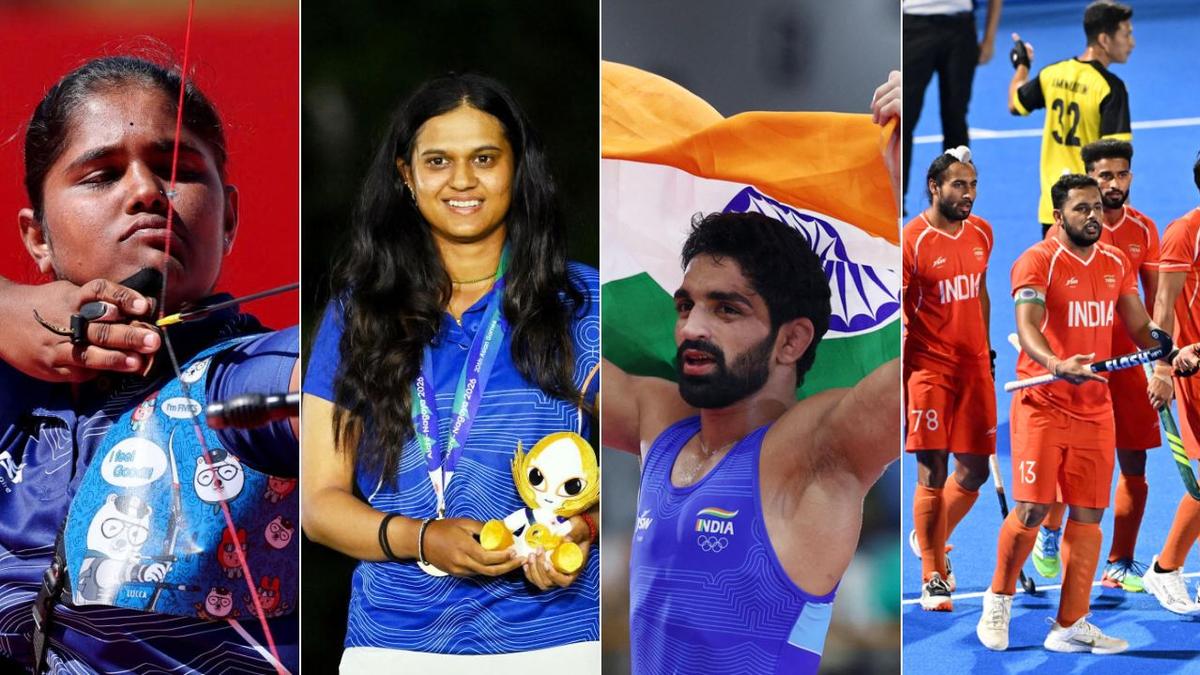
India Achieves Fourth Place at Asian Games 2026 Through Late Success