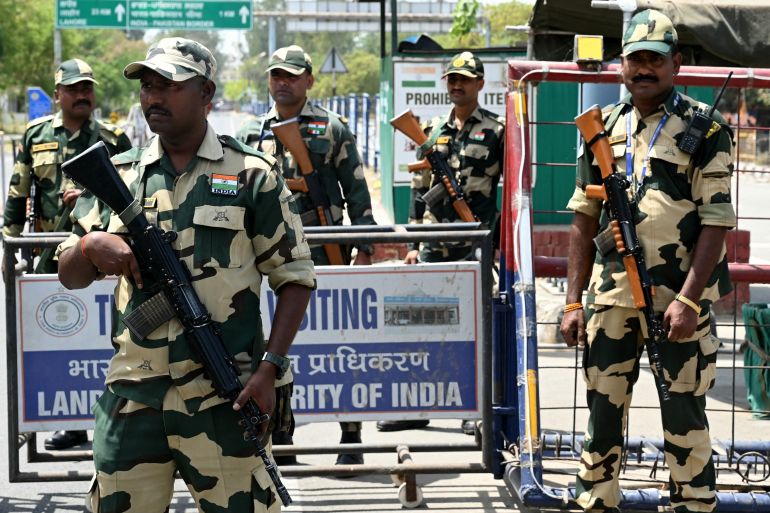
Proposed Unique Identification Number for Medical Practitioners in India



The National Medical Commission (NMC) of India has proposed a new system requiring a unique identification number for all registered medical practitioners. This initiative is part of the draft Registration of Medical Practitioners and Licence to Practice Medicine (Amendment) Regulations, set to be finalised in 2026.
Under the proposed framework, once an individual or a foreign medical graduate is listed in a state medical register, the Ethics and Medical Registration Board (EMRB) will generate a Unique Identification (UID) number. This UID will allow practitioners to be registered in a National Medical Register (NMR) and to practise medicine throughout India without needing fresh registration in each state.
The draft explicitly states that the UID will enhance a doctor’s ability to operate nationwide. It will include a code representing the state or Union territory alongside the practitioner’s registration number from the state medical register. Furthermore, the EMRB will ensure that changes in any register are reflected across all linked records to maintain consistency.
The NMR is intended to serve as a comprehensive repository documenting registration details along with disciplinary actions taken against practitioners, including suspensions or removals imposed by state medical councils or the NMC. Information about a practitioner's active or inactive status and details about any disciplinary measures will also be included.
The proposed system will enable a practitioner to apply for both registration and licence via a unified portal operated by the EMRB. Each application will be handled by the relevant State Medical Council within 30 days, following payment of a fee. Once a registration is granted by the state council, the EMRB will assign the UID, thus enabling the practitioner to work in any state or Union territory.
Disciplinary cases will be managed by the State Medical Council where the event occurred. The State Council has the jurisdiction to investigate such matters, and its decisions will be noted in both the state and national registers.
If a physician does not renew their licence within three months of its expiry, their entry will be marked inactive, thereby restricting their ability to practise until reinstatement is addressed. The proposed laws also introduce an appeal process for applicants whose registration or renewal is denied, permitting them to challenge the decision within 30 days with the EMRB.
This amendment also targets foreign medical graduates, allowing those who have qualified and passed the Foreign Medical Graduate Examination (FMGE) to register in the NMR under specific conditions. Temporary registration may be granted to foreign nationals completing postgraduate courses in India, valid for up to 24 months, with an additional one-year cooling-off period.
The NMC has issued a call for feedback on these draft regulations and will consider suggestions from stakeholders within 30 days once publicly released. This marks a significant shift in India's medical practitioner registration protocols, aiming to centralise and formalise the process across the country while maintaining the essential role of state councils in managing local registrations.
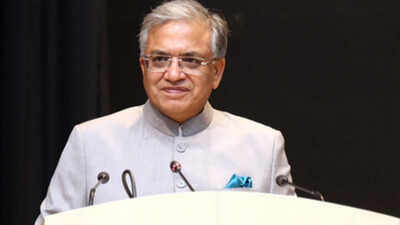
Kerala Initiates Probe into 2006 Suicide Case Involving CEC
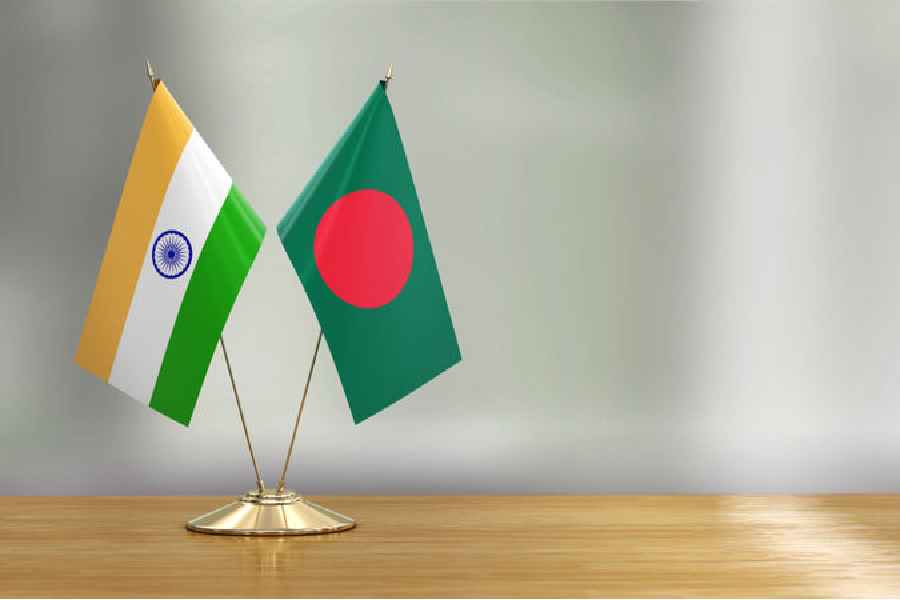
Extradition of Sheikh Hasina Feasible, Says Indian High Commissioner

Punjabi Makeup Artist Mad Sandhu Shot Dead in Amritsar
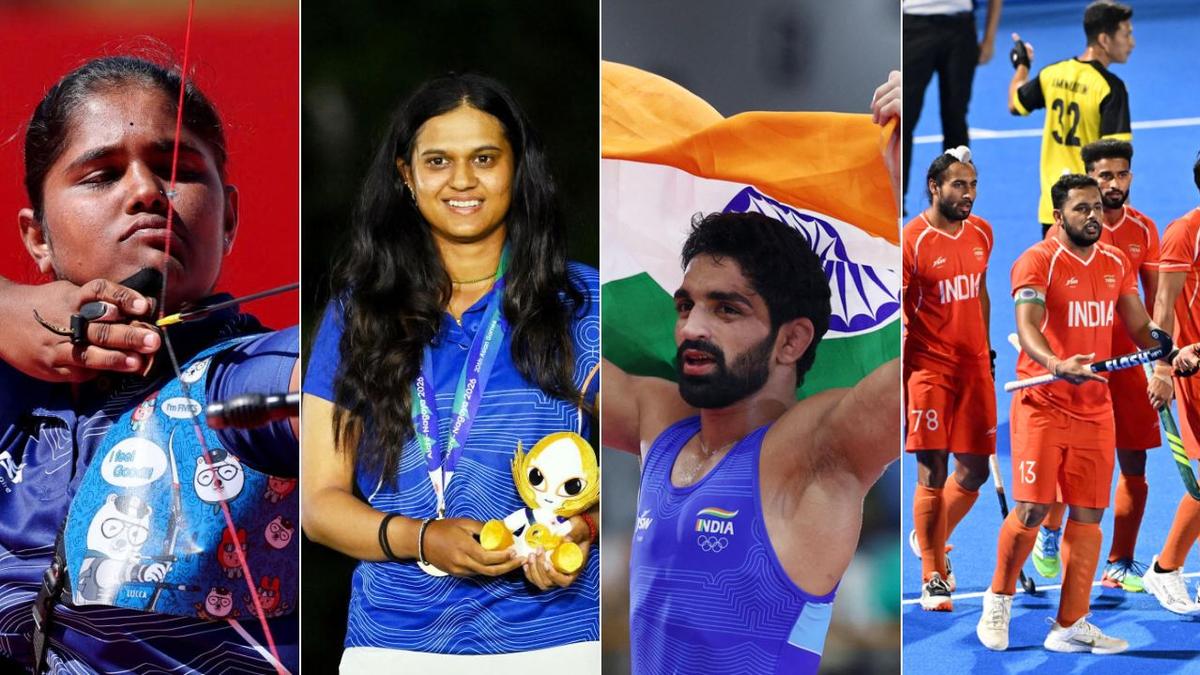
India Achieves Fourth Place at Asian Games 2026 Through Late Success