Proposed End to H-1B Grace Period Raises Concerns Among Workers


The Department of Homeland Security (DHS) in the United States has proposed the elimination of the 60-day grace period currently afforded to H-1B and other employment-based visa holders after their termination. This revision, set to be published in the Federal Register, could significantly restrict the time available for individuals to secure new employment or explore other immigration avenues.
Currently, workers on H-1B and other related visas, such as E-1, E-2, E-3, H-1B1, L-1, O-1, and TN, can remain in the country for up to 60 days following the loss of their job. Under the new proposal, upon termination, workers would generally be required to leave the United States immediately, unless they obtain alternative authorization to stay.
The DHS argues that the existing grace period creates a disconnect between the worker's lawful status in the country and their eligibility for visa classifications tied to employment. In its justification for the rule change, DHS stated, "The grace period allows individuals to linger in the US after employment without a clear immigration status."
Should this policy be finalised, it would revert to previous regulations, where workers were expected to depart immediately upon the end of their employment with their sponsoring employer. The grace period was seen as a temporary allowance, providing individuals the chance to transition to new employment while maintaining their legal status.
The implications of this proposal have raised alarm among immigration advocates and those reliant on the H-1B visa programme. Many experts believe that without this grace period, the prospect of finding new employment becomes highly precarious for many workers. Indian career coaches have been vocal, dubbing the language of the proposal as "brutal," emphasising the added pressure this places on workers in a competitive job market.
This proposed regulation marks a significant policy shift under the Trump administration, affecting thousands of visa holders and their families. The administration seeks to ensure that visa provisions are tightly aligned with employment status, fulfilling its commitment to stricter immigration enforcement.
The DHS’s expected announcement has prompted discussions about broader implications for the economy, especially considering the reliance on skilled foreign workers in industries such as technology and healthcare. Many firms depend on H-1B workers to fill critical roles that are often difficult to fill with domestic talent alone.
Beyond the immediate effect on employment opportunities, the proposal could also ignite further debates regarding the treatment of immigrant workers and their rights in the United States. As the situation develops, stakeholders are closely monitoring the implications of this significant regulatory change.

Ceasefire Agreed in Oleshky Amid Ukraine's Humanitarian Crisis
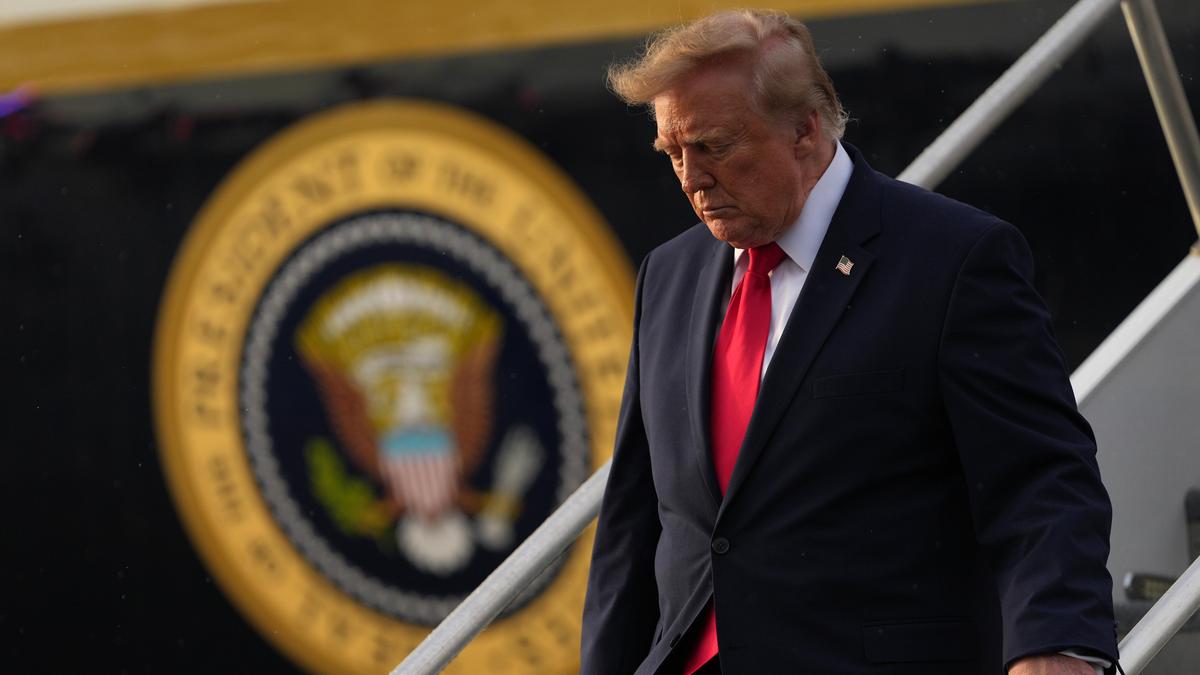
Donald Trump Hints at US Interest in Cuba After Conflict in Iran

UK Court Rules Against India in RAKIA Investment Dispute

India Raises Concerns Over Chinese Border Patrolling Deviations