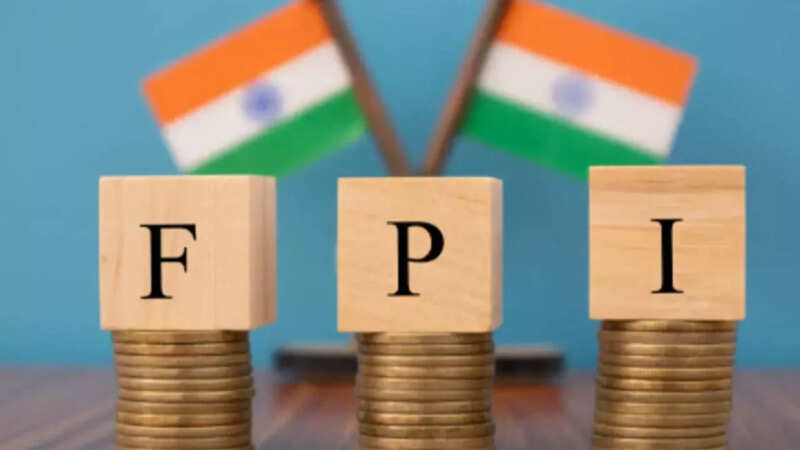
Prime Minister Modi Faces Criticism for Response to Protests


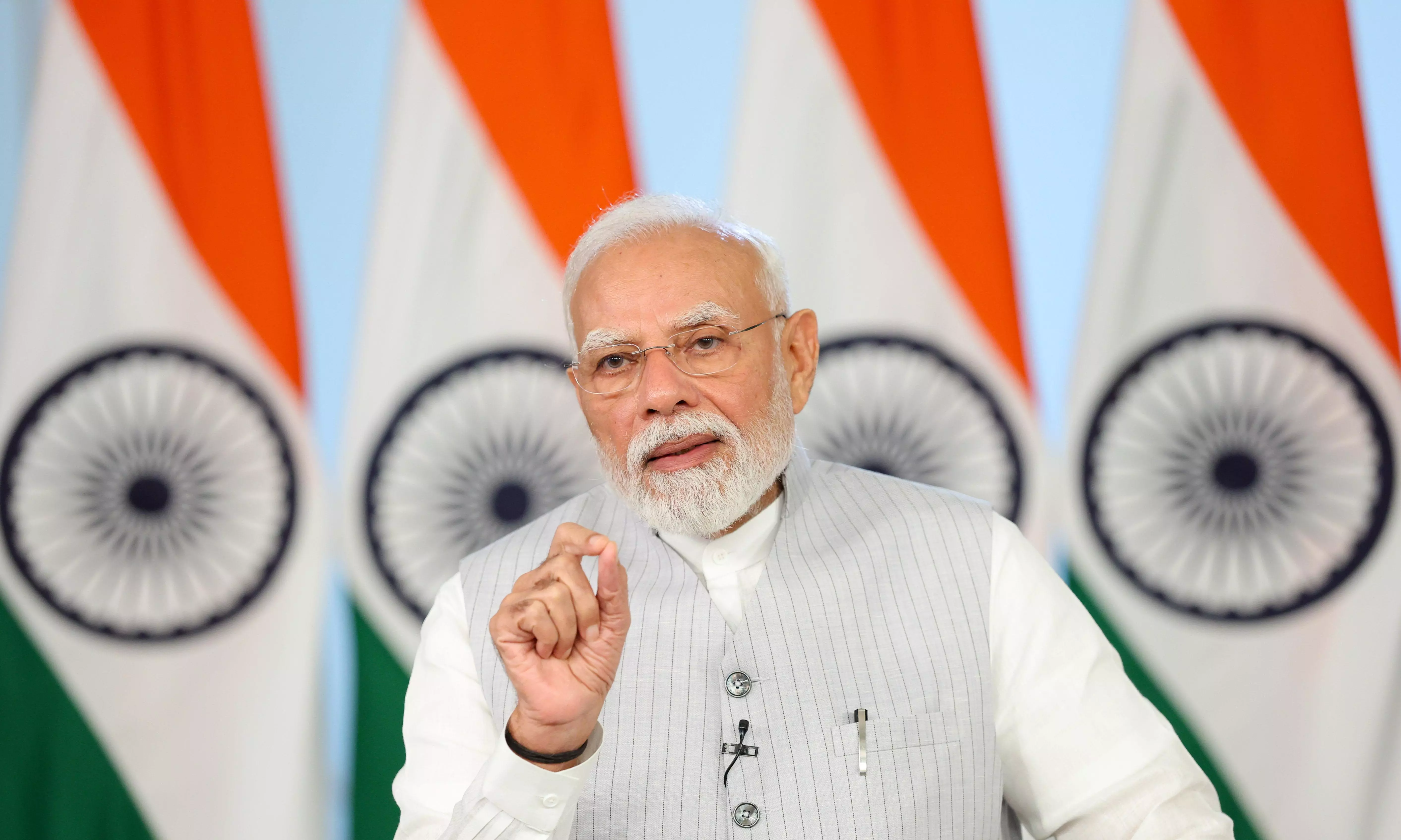
Prime Minister Narendra Modi has long asserted that India is the world's largest democracy, a point of national pride. However, his recent reaction to ongoing protests for electoral transparency led by the Opposition, notably the Congress party, has sparked concern about his commitment to democratic values. Modi expressed dismay over growing unrest, claiming the Congress has created chaos at a time when global stability is sought. This characterization, however, contrasts sharply with the sentiments of many citizens who feel let down by an administration that has failed to meet basic needs.
The demand for reform—summed up in the language of ‘roti, kapda, makan, aur rozgari’ (food, clothing, shelter, and employment)—is rising especially among the youth. Citizens have mobilised to challenge perceived injustices, including the recent removal of around 15 per cent of the electorate from voting rolls under questionable pretexts such as “logical discrepancies.” Unlike the ruling Bharatiya Janata Party (BJP), which has voiced no objections to the Election Commission, the Opposition is calling for accountability, stressing the importance of universal adult suffrage.
The essence of democracy relies on the ruling party's willingness to engage with the Opposition and accommodate legitimate grievances. Sadly, Modi has chosen a different approach, mocking the principal Opposition party and its leader rather than fostering dialogue. This is concerning, particularly given the BJP's origins as a minor party that evolved into a major political force through unwavering commitment and collaboration.
Following successful electoral victories, including two consecutive wins under Modi’s leadership, the party now faces the challenge of responding effectively to diverse voices within the electorate. The populace ultimately holds the power to select its leaders; no single individual should monopolise political discourse.
Having campaigned in 2014 for a Congress-mukt Bharat, meaning a nation devoid of opposition, Modi’s recent labelling of the Congress as a “parasite” highlights an inability to tolerate dissenting opinions. Such rhetoric raises alarms about the erosion of civil liberties within the country.
As India navigates a tumultuous period marked by public agitation, there is a clear need for respect and mutual accommodation amongst political factions. Modi’s leadership would benefit from exemplifying these values, contributing to a more harmonious political climate that could serve as a model for others to follow. The call for democratic engagement is resonating louder than ever, necessitating a response from the highest levels of government to address the concerns of the electorate.

YouTuber Faces Legal Action Over Controversial Remarks in Kerala
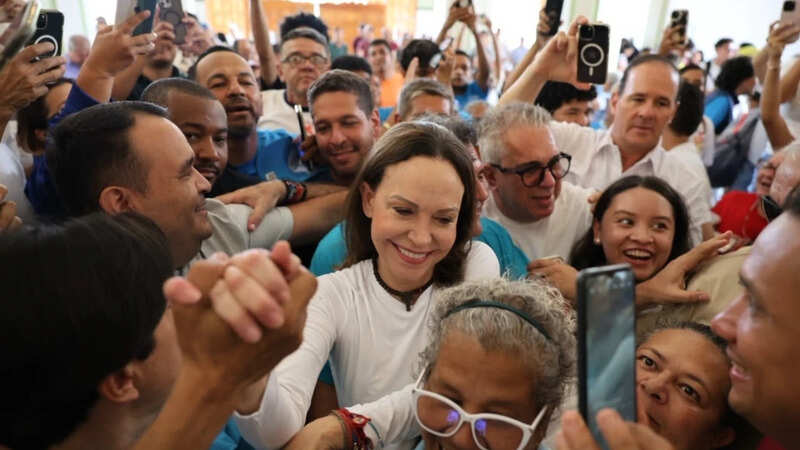
Venezuelan Opposition Leader María Corina Machado Returns from Exile
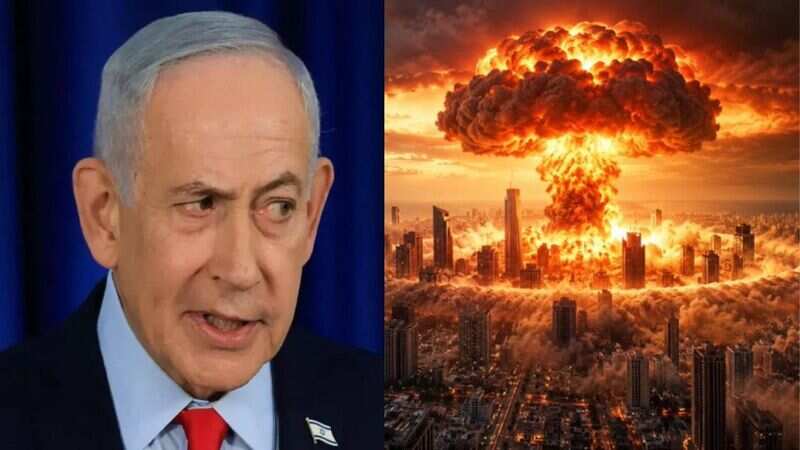
Benjamin Netanyahu Issues Warning Over Iran Ahead of Elections

Oil Market Analysis: Key Developments and Trends for October 2026