Benjamin Netanyahu Issues Warning Over Iran Ahead of Elections


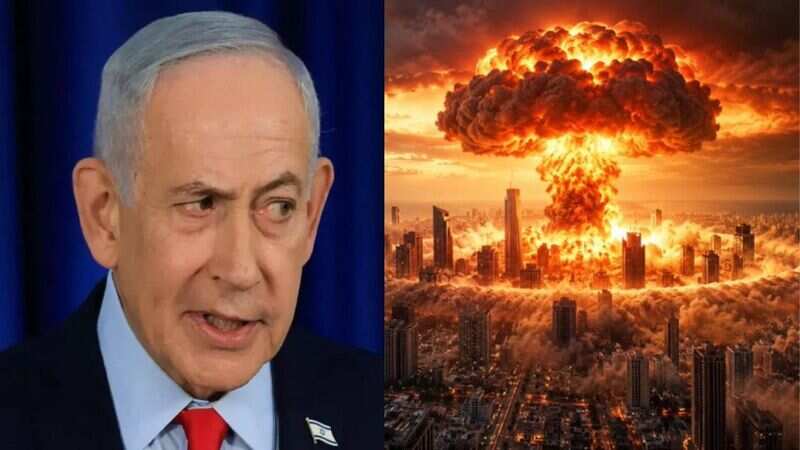
Israeli Prime Minister Benjamin Netanyahu has expressed concerns about potential Iranian interference in the forthcoming elections. Speaking publicly, he warned that Iran may attempt to disrupt the political process in Israel. Netanyahu emphasised that any such actions would be met with a firm response from Israel.
In his remarks, Netanyahu described the threat posed by Iran as significant, particularly regarding its nuclear capabilities. He underscored that these issues would overshadow the electoral landscape. His statements come at a critical time as Israel prepares for elections, with security being a primary concern for the electorate.
The Prime Minister made it clear that the Israeli government would not tolerate any attempts to undermine the democratic process. "Don't test us," he stated, indicating that the country is prepared to confront any threats head-on. Netanyahu’s warnings align with broader concerns about Iran’s regional ambitions and its nuclear programme, which have raised alarm in Israel and among its allies.
Netanyahu's administration has historically taken a tough stance against Iran, asserting that it poses an existential threat to Israel. With elections approaching, the Prime Minister’s comments highlight a strategy to galvanise voter support by framing national security as a pivotal issue in the electoral discourse. This strategy aims to remind voters of the longstanding concerns regarding Iran and its military activities.
As the situation evolves, analysts suggest that the government's focus on security could play a decisive role in shaping voter sentiments. The implications of Netanyahu's warnings may extend beyond the elections, potentially influencing Israel's foreign policy and its relations with nations involved in negotiations over Iran's nuclear programme, such as the United States.
The backdrop of these developments is marked by heightened tensions in the region, with Israel maintaining vigilant monitoring of Iranian activities. The Israeli populace generally views Iran's nuclear ambitions with significant apprehension, and Netanyahu's statements reflect a broader concern shared by many in the country.

Trump, Putin, and Xi to Meet at APEC Summit in Shenzhen, China
Congress Criticises Adani for Dramatic Cost Cut in Maharashtra Project

Urban Infrastructure Crucial for India's Manufacturing Growth

India Extends Ban on Zakir Naik's Islamic Research Foundation