Preventing Dehydration and Heat Stroke Amid Rising Summer Heat



Jacksonville, Florida – With summer fast approaching and temperatures soaring, health experts are warning individuals about the risks of dehydration and heat-related illnesses. Whether engaged in outdoor sports or working in extreme heat, the signs of dehydration can arise unexpectedly.
Common symptoms include intense thirst and muscle cramping, but they can escalate to dizziness, disorientation, and even fainting. Dr. Hans-David Hartwig, a pediatric emergency medicine director at HCA Florida Memorial Hospital, emphasises the critical nature of early hydration. According to Dr. Hartwig, on a typical day in Florida with temperatures exceeding 80 degrees Fahrenheit, individuals can lose approximately one litre of fluid every hour.
"You need to be replenishing that, especially as the temperature rises," Dr. Hartwig said. "Without proper hydration, your body can enter a dangerous heat spiral, potentially leading to irreversible damage."
Dr. Hartwig recounts a case from his residency where he treated a young football player who, eager to secure a spot on the team, pushed himself too hard during practice. The teen was admitted with a body temperature above 107 degrees Fahrenheit and tragically did not survive.
For those engaging in sports activities, Dr. Hartwig recommends initiating hydration the night before significant events. While sports drinks can be beneficial, consistent water intake is crucial. A practical measure of hydration success is ensuring that urine is clear or light-coloured. Dr. Hartwig provides specific advice for athletes: "You should feel the need to urinate right before engaging in any vigorous activity."
Individuals working outdoors, he suggests, should aim to consume between 24 to 32 ounces of water per hour if exposed to heat for prolonged periods. For general circumstances, drinking 4 to 8 ounces of water hourly is advisable. However, exceeding 1.5 litres of fluid an hour may lead to overhydration, which can dilute blood sodium levels.
"It's vital to keep your cells well-hydrated to adapt effectively to external conditions and cope with heat stress," Dr. Hartwig added. For those whose work remains outdoors, he advocates for activity scheduling during cooler morning or evening hours and emphasises the importance of breaks, hydration, and listening to one’s body.
In addition to staying hydrated, Dr. Hartwig advises wearing light-coloured clothing, applying sunscreen, and checking on elderly neighbours regularly. These proactive measures can significantly reduce the risks associated with high temperatures as summer progresses.

Kerala Initiates Probe into 2006 Suicide Case Involving CEC

Extradition of Sheikh Hasina Feasible, Says Indian High Commissioner

Punjabi Makeup Artist Mad Sandhu Shot Dead in Amritsar
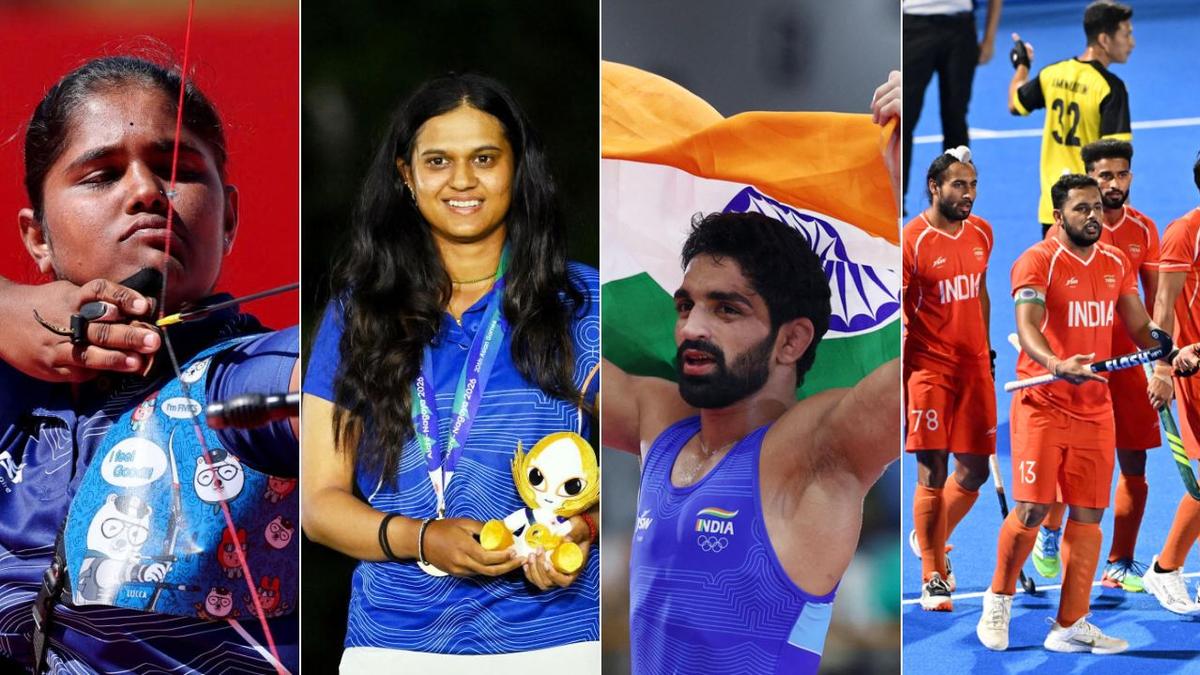
India Achieves Fourth Place at Asian Games 2026 Through Late Success