Police Justify Actions Amid Protests During Israeli President's Visit


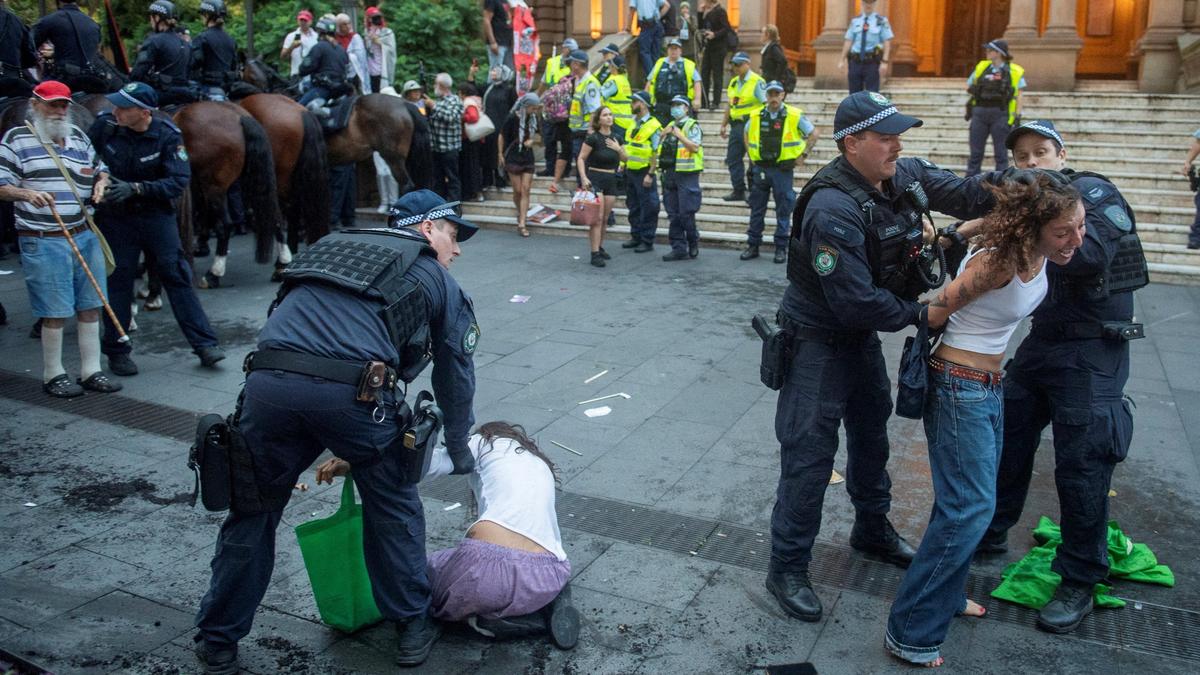
Authorities in Australia have defended their response after violent clashes erupted during a demonstration against Israeli President Isaac Herzog's visit to Sydney on Monday night. Video footage showed police charging protesters and engaging in physical confrontations, leading to 27 arrests and injuries reported among both protesters and officers. New South Wales Police Commissioner Mal Lanyon stated that officers demonstrated 'remarkable restraint' during the incident and did what was necessary to maintain order.
At the heart of the protests were concerns stemming from a recent antisemitic attack at Bondi Beach that left 15 people dead. The government extended an invitation to Herzog, announcing that the visit aimed to assist the Jewish community in the wake of this tragedy, despite pushback from pro-Palestinian groups.
The rally attracted significant attention, with conflicting estimates of attendance—official police figures noted around 6,000 participants, while organisers claimed closer to 50,000. Tensions heightened as the crowd, gathered outside Town Hall, demanded the right to march towards locations such as the state parliament or Hyde Park. This move was curtailed by restrictions imposed by the New South Wales government after the violent incidents at Bondi Beach.
On the evening of the rally, as protesters chanted slogans, clashes commenced when police moved to disperse the crowd. Multiple reports emerged of pepper spray being deployed against attendees, resulting in chaotic scenes and further conflict. Activist Josh Lees from the Palestine Action Group characterised the police response as the worst he had witnessed in recent protests. He stated, 'We should have had the right to march,' adding that the violence could have been avoided if authorities had allowed the demonstration to proceed as planned.
Prime Minister Anthony Albanese expressed his disappointment at the violence, asserting that Australians seek peaceful expressions of views without conflict on their soil. He remarked, 'The causes are not advanced by these sorts of scenes - they are undermined.'
During the protest, prominent activist Grace Tame led the crowd in chants that included controversial references to 'intifada', a term associated with Palestinian uprisings against Israeli occupation. Tame's remarks drew criticism from various political figures, including New South Wales Premier Chris Minns, who described her words as 'terrible.' Tame has been an advocate for raising awareness about sexual violence, having been awarded Australian of the Year in 2021.
As the event unfolded, incidents of violence between police and protesters were reported. New South Wales Assistant Police Commissioner Peter McKenna noted that officers faced aggressive behaviour, with some being threatened and assaulted, and emphasised the challenging circumstances faced by law enforcement.
Documentation of the events by the Australian National Imams Council highlighted disturbing scenes of Muslim men being forcefully removed while engaged in prayer, which they described as shocking and unacceptable.
Following the protest, anti-police demonstrations were announced for continued days, with calls for investigations into the use of force by officers. The Palestine Action Group vowed to rally outside police headquarters in Sydney, demanding accountability. The situation reflects a deepening divide within the community as sentiments towards the ongoing Israeli-Palestinian conflict intersect with local events.
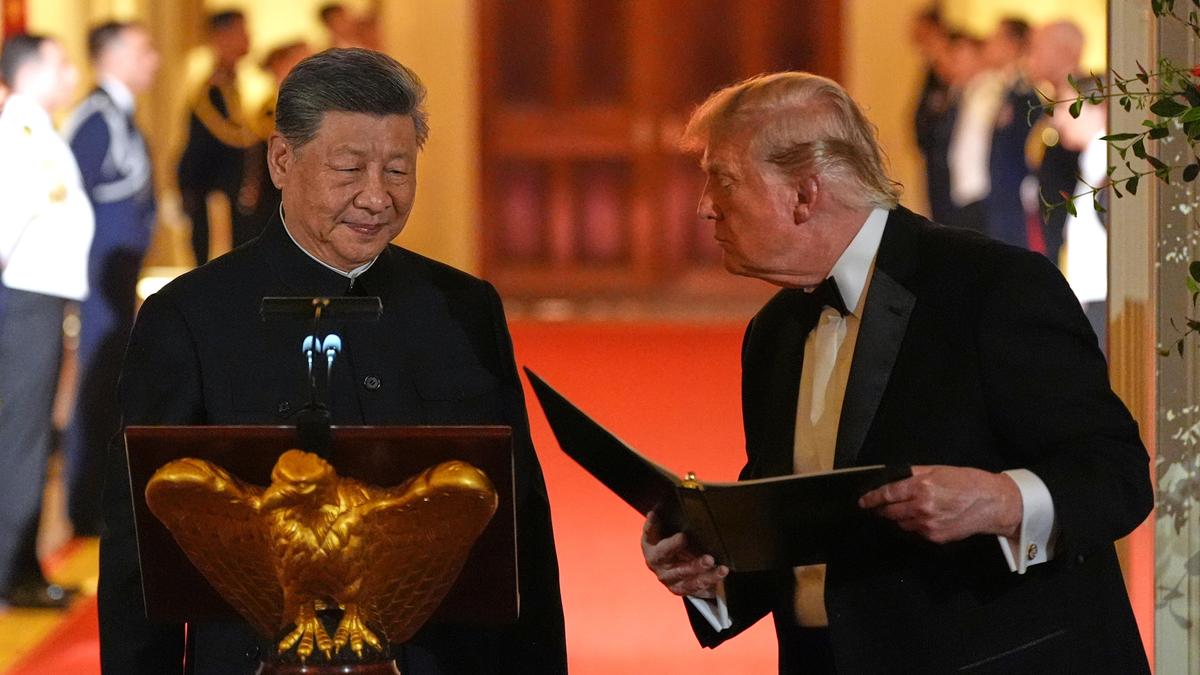
Trump and Xi Discuss Trade, AI, and Taiwan Amid Diplomatic Tensions
Xi Jinping Seeks Greater Concessions from Trump Amid Trade Talks
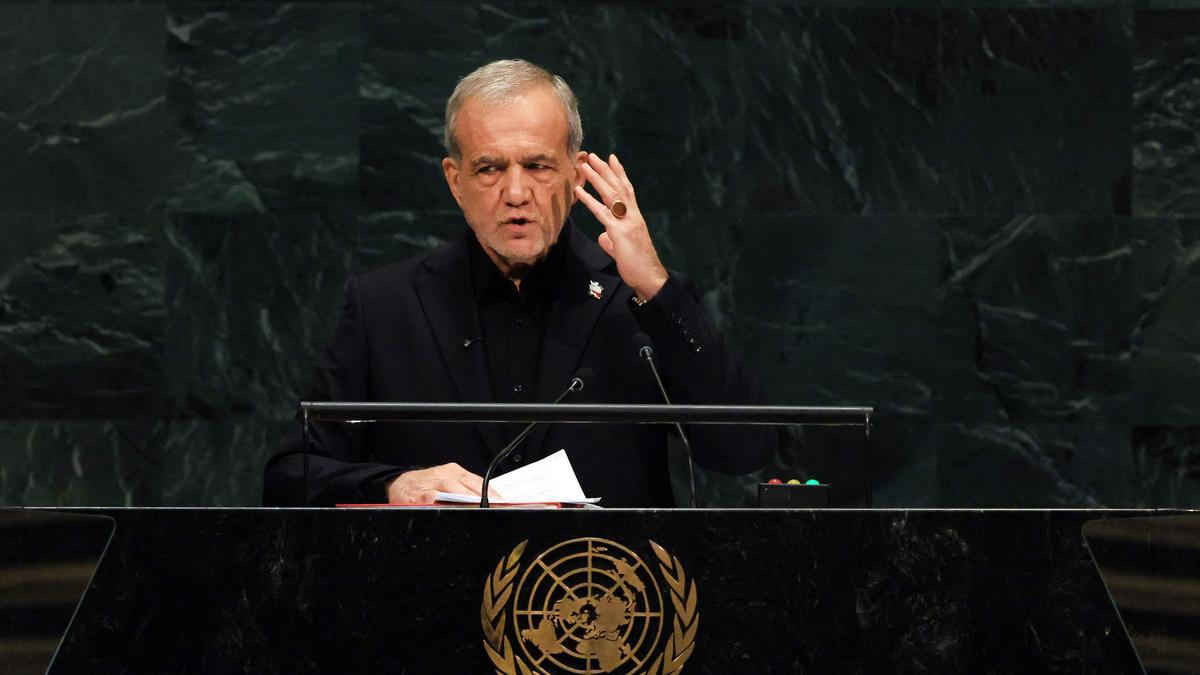
Iran's President Addresses Ongoing Conflict and External Threats
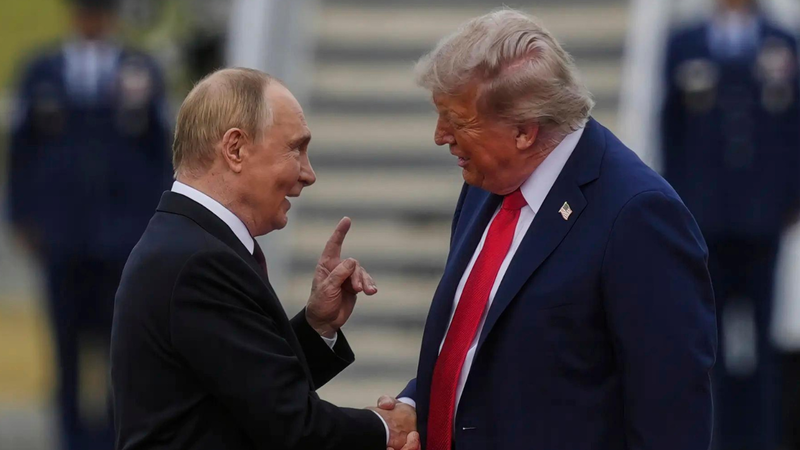
United States Invites Vladimir Putin to Miami G20 Summit