Bharatiya Kisan Union Protests India-US Trade Deal, Targets Leaders


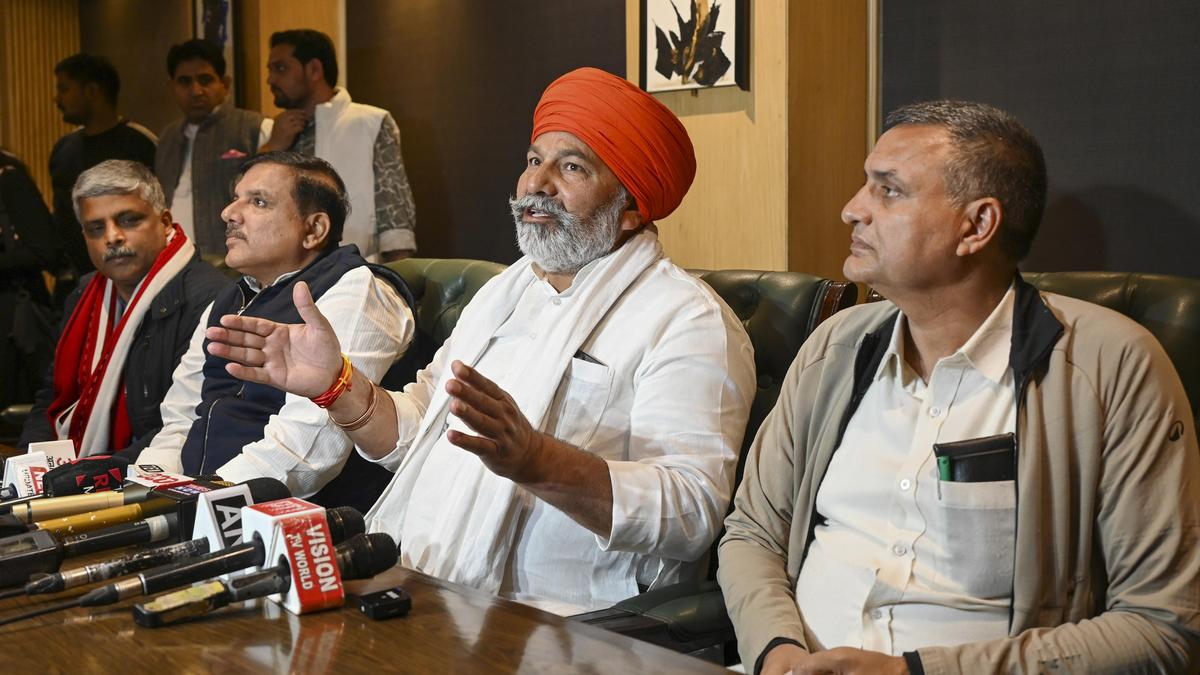
On February 10, 2026, the Bharatiya Kisan Union (BKU) expressed its strong opposition to a recently announced trade agreement between India and the United States. The union revealed plans to engage in protests across the country, including the burning of effigies of Indian Prime Minister Narendra Modi and U.S. President Donald Trump. Rakesh Tikait, a prominent BKU leader, held a press conference in Delhi where he outlined the union's concerns regarding the agreement and various government policies.
Tikait stated that the Indian government had lost the trust of the farming community, arguing that both this trade deal and similar agreements with the European Union would significantly harm farmers. Tikait referenced recent legislative measures, including the Seeds Bill and the Electricity (Amendment) Bill, labelling them as detrimental to farmers’ welfare.
Amid concerns about transparency, he noted that the full details of the trade agreements with the U.S. and the European Union have not been publicly disclosed, describing this lack of transparency as a “veil of secrecy.”
He urged the government to withdraw from these agreements entirely or, at a minimum, to remove all provisions related to agriculture. Tikait highlighted the competitive advantage that U.S. and EU farmers have due to substantial government subsidies and surplus production, which he contended would be detrimental to Indian farmers.
The BKU leader warned that the importation of Dried Distillers Grains with Solubles (DDGs), a by-product used as animal feed, would naturally depress domestic prices of essential crops such as maize, sorghum, and soybean in India. Tikait asserted that soybean farmers in states like Madhya Pradesh and Maharashtra are facing a price crisis and that such imports could worsen their economic situation.
In addition to comments on trade, Tikait condemned the draft Seed Bill, calling it damaging for farmers as it could lead to increased seed prices and greater corporate control over agriculture. He criticised the Pesticide Management Bill, asserting that it prioritises the pesticide industry over farmer interests and lacks sufficient regulatory measures.
Addressing the draft Electricity (Amendment) Bill, Tikait expressed concerns about its implications for the privatisation of the power sector, alleging that it would reduce the role of state governments in energy management.
As a demonstration of solidarity with the affected communities, the BKU has planned to join the general strike called by various Central Trade Unions on February 12. Tikait's statements represent the broader distrust among farmers towards governmental policies, especially concerning agriculture, and reflect calls for greater accountability and consultation in policymaking.
Chinese President Xi Jinping Begins State Visit to Washington
Jaishankar Discusses US Tariff Concerns with Secretary Rubio
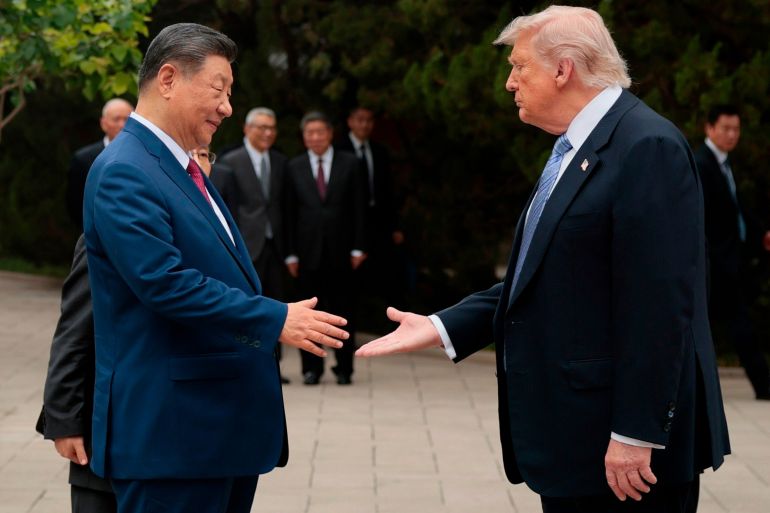
US and China Leaders Discuss AI Rivalry Amid Global Concerns
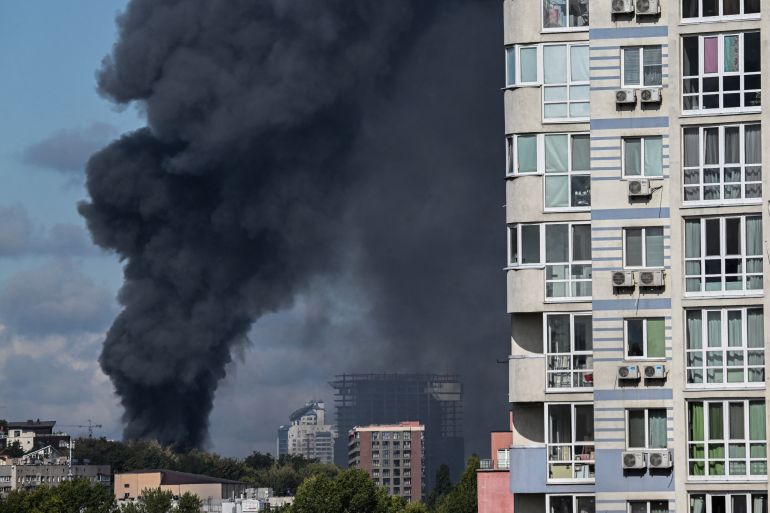
Russian Drone Strikes Kyiv, Donetsk Following Zelenskyy-Trump Talks