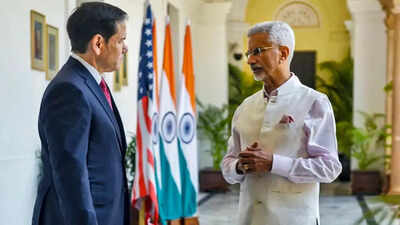
Police Crackdown in Delhi Reminiscent of 1938 Mysore Firing


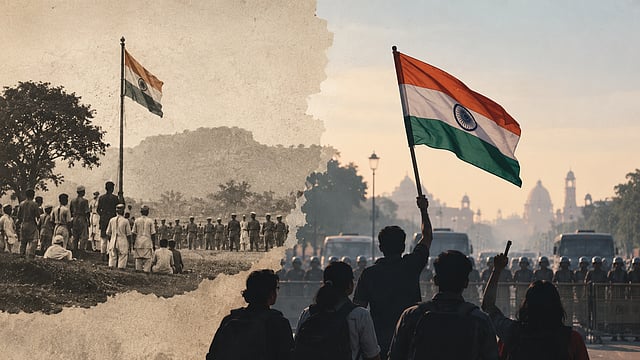
On October 16, approximately two thousand individuals gathered in Connaught Circus, Delhi, waving the national flag during a march titled ‘Lehra Do Tiranga’ (wave the tricolour). This demonstration took place amid a significant police presence intended to intimidate participants, including leaders Abhijit Dipke and Neha Vora from the All India Students Organisation (AISA). The use of force to suppress dissent sparked criticism regarding the authorities' approach to political expression and civil liberties.
Despite the palpable tension, participants remained resolute in their intent to protest, voicing concerns over the actions of the current government and the implications of the electoral process. The participants aimed to highlight their grievances, particularly focusing on alleged disenfranchisement as a result of recent electoral roll updates implemented under the supervision of Chief Election Commissioner Gyanesh Kumar. Historians have noted that the scale of response by police this month echoes a distressing chapter in India's past.
The recent crackdown recalls the tragic events of April 25, 1938, in Vidurashwatha, a village within the princely state of Mysore, where police opened fire on a crowd of individuals assembling to hoist the national flag. The massacre resulted in the deaths of thirty-two demonstrators, prompting comparisons to the notorious Jallianwala Bagh massacre of 1919 due to its violent suppression of peaceful protest.
Four days following this incident, Mahatma Gandhi issued a poignant statement, asserting that the shooting of unarmed civilians highlighted the realities of the political climate in India. Gandhi described the protests surrounding the national flag as indicative of broader societal demands for representation and governance.
In connection to the current protests, Gandhi's remarks resonate with the actions of the youth led by Dipke and Vora, who are striving to uphold democratic principles in the face of alleged electoral manipulation. The flawed electoral processes are said to have disproportionately affected specific communities, further complicating issues surrounding the integrity of the electoral roll.
The original intent behind Article 325 of the Indian Constitution was to ensure that no person is excluded from the electoral process based on religion, race, caste, or any such criteria. However, recent reports indicate a rise in the removal of names from electoral rolls on dubious grounds, threatening to undermine democratic representation and the very tenets upon which the nation was built.
The ongoing protests seek to challenge the perceived autocratic trends in governance and to remind authorities of their responsibilities to the populace. Neha Vora has since been released following her detention, while Abhijit Dipke awaits further proceedings. Observers note the historical importance of these events, drawing parallels to past movements and highlighting the struggles still pertinent in contemporary India.
The sacrifices made by those in Mysore in 1938 are continually commemorated in discussions about civil rights and representative governance. Gandhi’s reflections on the necessity of their sacrifices to achieve liberty are invoked by contemporary activists as they advocate for accountability and a commitment to democracy. In both eras, the call for justice and recognition of the people’s voice remains a unifying theme in India's political landscape.

Elon Musk Allegedly Cuts Child Support for Ashley St. Clair
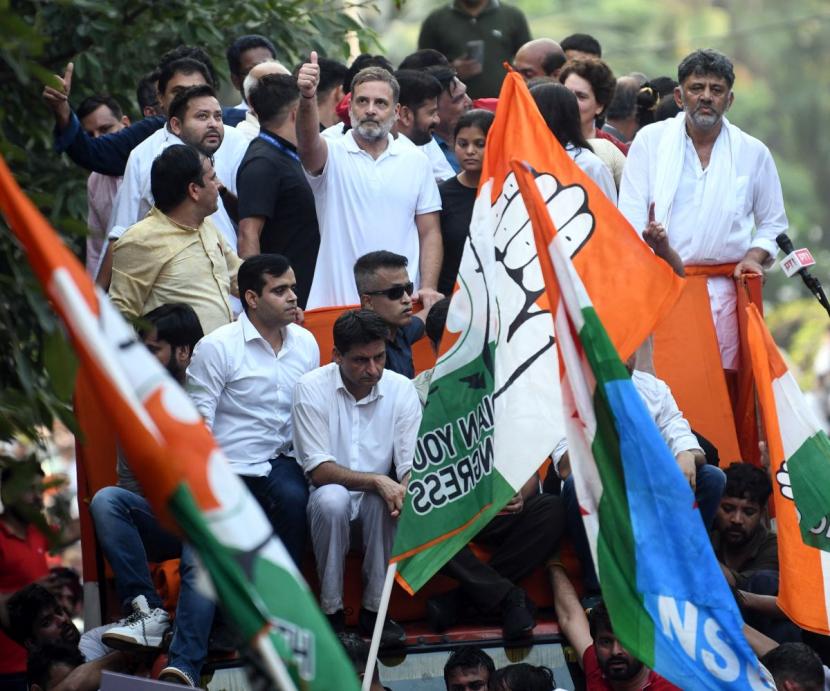
Rahul Gandhi Faces New Challenges in Critique of BJP Government
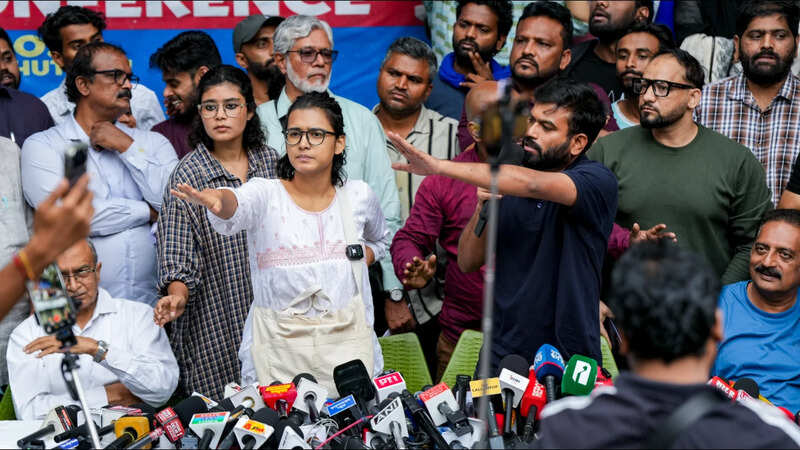
Delhi Police Detains Activist Abhijeet Dipke Amid Protests
Uttarakhand Minister's charges against husband