PM Modi Warns of Global Economic Crisis and Return to Poverty


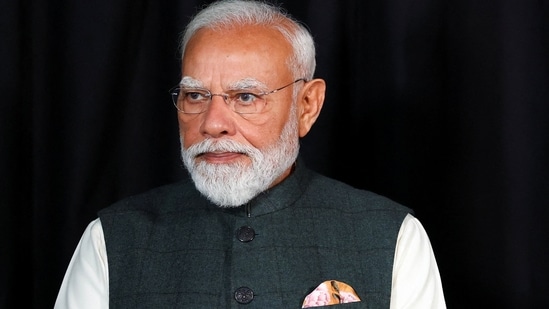
Indian Prime Minister Narendra Modi has expressed serious concerns regarding the global economy, warning that decades of progress in reducing poverty might be jeopardised. Speaking to the Indian community in The Hague, during his European tour, he highlighted the compounded crises affecting the world today. "The world is dealing with new challenges," he stated, urging immediate action to reverse these trends.
Modi's remarks reflect rising economic anxiety across India and beyond amid ongoing conflicts, particularly in the oil-rich regions of West Asia, exacerbated by recent attacks involving the United States and Israel. He termed the current decade a 'decade of disasters', emphasising that the repercussions of the coronavirus pandemic, subsequent wars, and now an energy crisis could lead to significant setbacks for global poverty reduction efforts.
“If these situations are not changed swiftly, past achievements will be washed away, and many people could find themselves back in poverty,” Modi cautioned. This statement comes on the heels of his call for voluntary austerity measures in India, urging citizens to work from home, limit international travel, and reduce luxury purchases like gold. He framed fuel conservation and foreign exchange savings as acts of patriotism, promoting public transport and carpooling.
This past Friday, Indian Oil Corporation and other state-owned oil companies raised fuel prices for the first time in four years, by ₹3 per litre, resulting in petrol prices reaching ₹97.77 and diesel at ₹90.67 in Delhi. This price increase is anticipated to affect household expenses and production costs across various sectors, leading to inflationary pressures.
The ruling Bharatiya Janata Party (BJP) defended the hike, stating that India had managed to protect its citizens from global oil price shocks longer than many other nations. They noted the government's efforts to absorb rising crude costs before passing any burden to consumers. However, opposition leaders believe that the prime minister's austerity message surfaced only after recent state elections, suggesting that pump prices were kept stable during the electoral period when crude prices were lower.
Meanwhile, energy crises are prompting drastic measures in various Asian countries. The Philippines has declared a national energy emergency, South Korea advised citizens to take shorter showers, and Japan has begun releasing emergency oil reserves. The situation is particularly dire for India, which relies on oil imports for 90% of its needs, depending greatly on the Strait of Hormuz for its crude supplies.
The International Energy Agency has referred to the current disruption as the largest in the history of the global oil market. Modi's comments serve not just as a warning but also as an urgent call to action across countries to address these significant challenges affecting the global economy and public welfare.
India's Jaishankar Criticises Pakistan at UN General Assembly
Iran Asserts Readiness for War Amid Rising Tensions in Hormuz
Israeli Prime Minister Netanyahu Makes Unannounced Visit to UAE

World Leaders Gather for Climate Summit, Pledges Made