Personalised Cancer Vaccine Shows Promise in Melanoma Trial


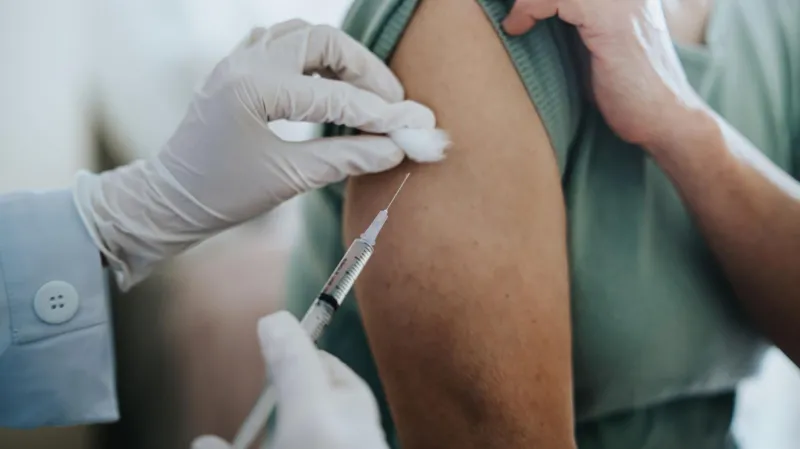
A breakthrough in cancer treatment has been reported with the results of a recent trial showing that a new personalised vaccine, developed by drug companies Merck and Moderna, significantly reduces the recurrence of high-risk melanoma in patients. The vaccine was administered alongside Keytruda, a well-established immunotherapy drug, following surgical removal of tumours.
Initial findings indicated that patients receiving both the vaccine, named Intismeran, and Keytruda experienced longer periods without cancer compared to those treated with Keytruda alone. However, the specifics regarding the duration of this cancer-free period remain unclear as the full data has yet to be published and properly reviewed.
Cancer experts have praised this development as a significant milestone but urge caution due to the early nature of the results. For a comprehensive understanding, these findings must undergo peer review by independent specialists before any conclusions can be drawn. Additionally, should the trials conclude successfully, the combination of vaccine and drug will require approval from regulatory bodies before being made available to patients through public healthcare systems.
The trial, which involved over 1,000 patients diagnosed with melanoma in its advanced stages, marks a notable advance in tailored cancer therapies. This personalised approach means the vaccine is designed to target unique mutations within a patient's specific tumour. To create the vaccine, scientists utilised mRNA technology—previously employed in some Covid-19 vaccines—by extracting and sequencing a small portion of the tumour’s DNA.
This innovative treatment directs the immune response to recognise any remaining cancerous cells, offering hope for improved outcomes in patients with melanoma. Alongside the excitement surrounding these findings, healthcare professionals are underlining the necessity for ongoing investigations to further establish the treatment's efficacy and safety.
Stephane Bancel, Chief Executive Officer of Moderna, referred to the results as a "pivotal moment" in the domain of cancer research. The positive news has had a tangible impact on the stock market, resulting in a significant surge in shares for both Moderna and Merck.
Dr Talisia Quallo from Cancer Research UK stated that while the interim data is promising, it is imperative for funding to continue, enabling further research into personalised treatment options. She noted, "It's vital that research like this continues to be funded so that more people with cancer can have personalised treatment options to help them live longer, better lives."
Dr Lennard Lee, a consultant medical oncologist at the University of Oxford, highlighted the wider implications of the study, calling it proof of concept that personalised vaccines could indeed be effective against cancer. Both companies are also exploring the use of similar personalised vaccines for other forms of cancer, including lung, bladder, and kidney cancers.
As the trial proceeds, detailed data analysis will continue, with plans for future presentations at international medical meetings. While the initial data shows promise, it will be crucial to assess not just the recurrence rates but also the overall survival benefits that the vaccine and Keytruda combination may offer patients battling high-risk melanoma.

Kerala Initiates Probe into 2006 Suicide Case Involving CEC

Extradition of Sheikh Hasina Feasible, Says Indian High Commissioner

Punjabi Makeup Artist Mad Sandhu Shot Dead in Amritsar

India Achieves Fourth Place at Asian Games 2026 Through Late Success