Parliament Faces Criticism Over Legislative Session Management


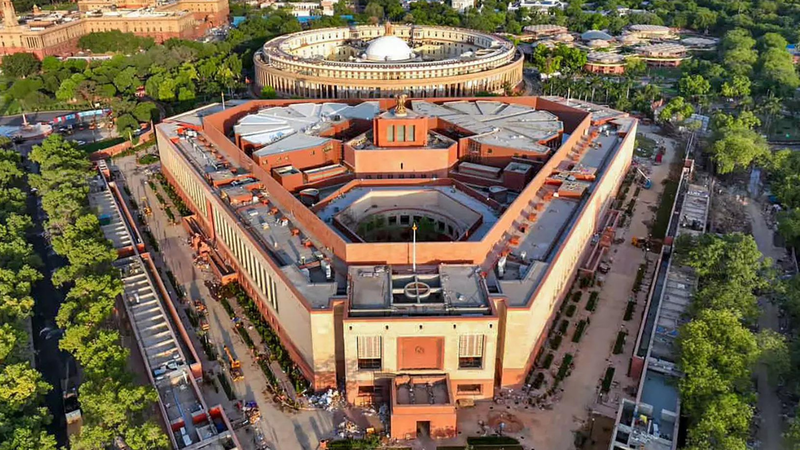
The recent monsoon session of the Indian Parliament has raised alarm over the state of parliamentary democracy in the country. The session spanned 25 days, during which the Lok Sabha operated for a mere 19% of its scheduled time, while the Rajya Sabha fared slightly better at approximately 39%. Despite passing twelve bills across both Houses, only one discussion was substantive. Alarmingly, nine of these bills received no contributions from Members of Parliament, with only the relevant minister providing input.
Critics argue that this lack of parliamentary engagement reflects a troubling trend in the democratic process. The ruling party has directed blame toward the Opposition, particularly the Congress party, accusing them of creating disruptions during proceedings. Conversely, the Opposition has condemned the government for dodging requests that seek accountability on pressing issues such as police actions against student protests in Delhi and the misappropriation of donations intended for the Ram temple in Ayodhya.
This deadlock has left the Parliament effectively paralysed. Both sides bear some responsibility, though the government is viewed as carrying a more significant burden. It is primarily the government's duty to ensure the Parliament functions and that discussions occur. However, it has often resisted debates on critical topics that the Opposition has sought to raise. Home Minister Amit Shah's belated offer for a discussion on student protests came too late, as conditions were imposed that incorporated a defensive approach.
The Leader of the House in the Lok Sabha, Prime Minister Narendra Modi, had minimal appearances in the session, indicating a lack of commitment to parliamentary processes. The tension has also escalated beyond the confines of Parliament, with MPs using placards during protests outside.
The functionality of Parliament is in question. While the legislation passed may be technically valid, it lacks the legitimacy afforded through adequate debate. Essential matters drawing public concern remain unaddressed, such as the police's use of force against demonstrators and the Ram temple donations scandal. The Parliament should serve as a forum for dialogue rather than a stage for unilateral declarations. To foster cooperation, the government must facilitate robust discussions and show willingness to engage with the opposition effectively.
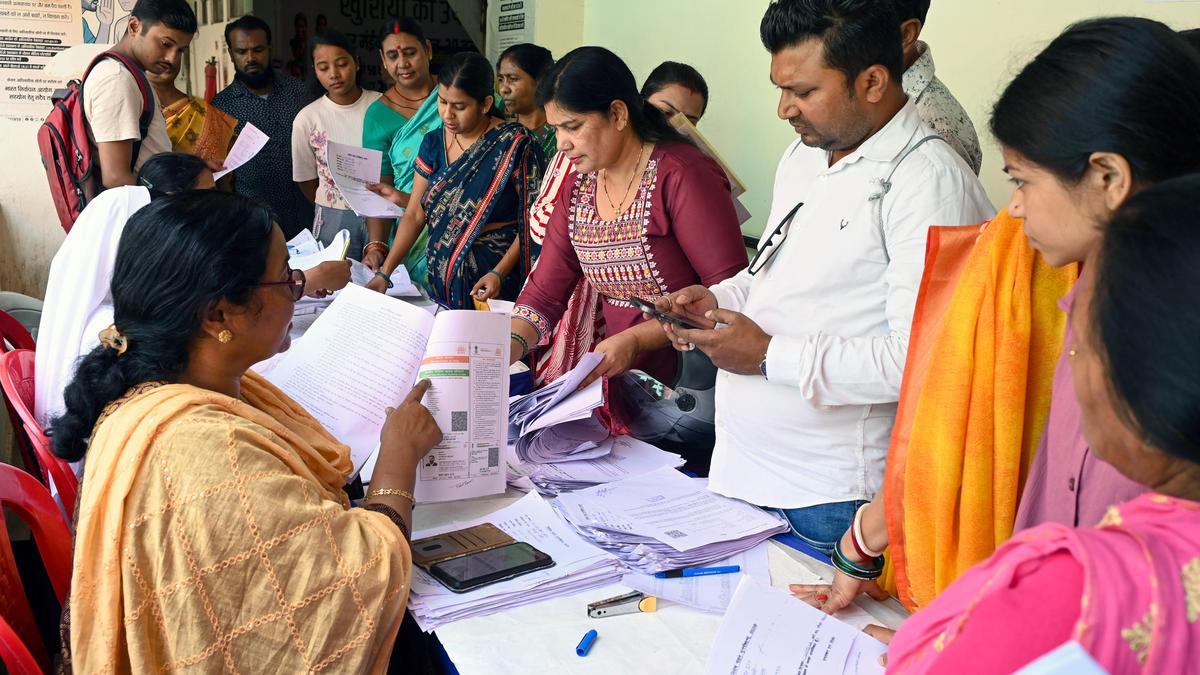
Election Commission Extends Deadlines for Andhra Pradesh and Meghalaya
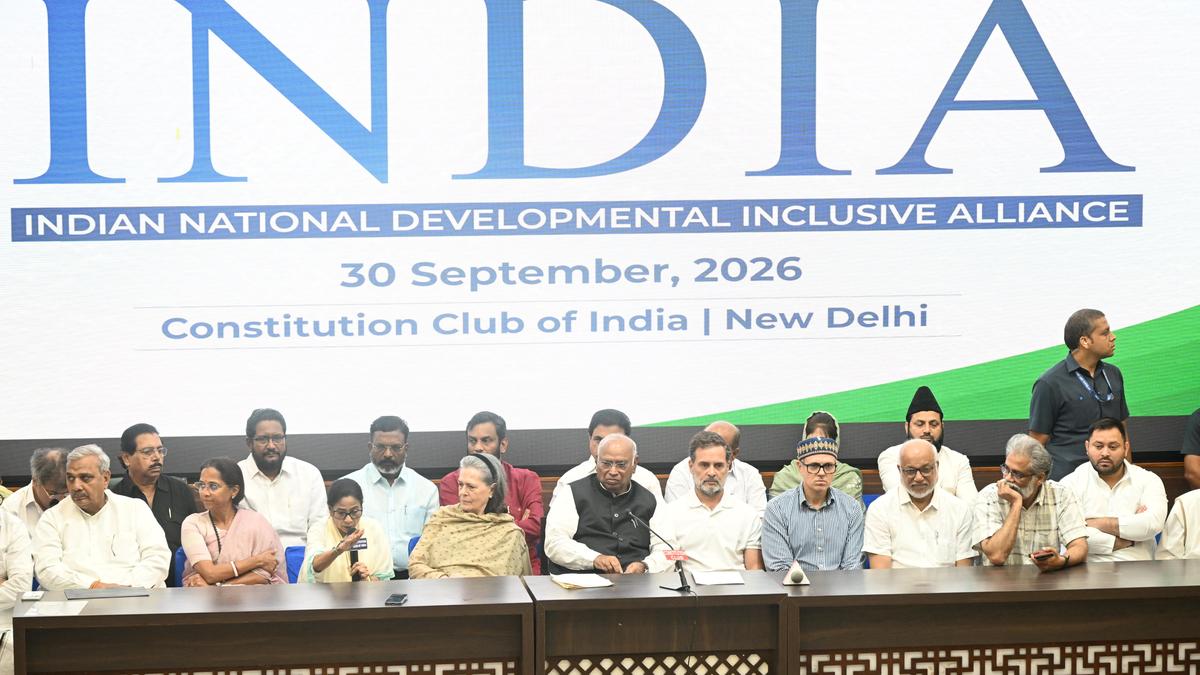
INDIA Bloc Announces Nationwide Campaign Against Chief Election Commissioner
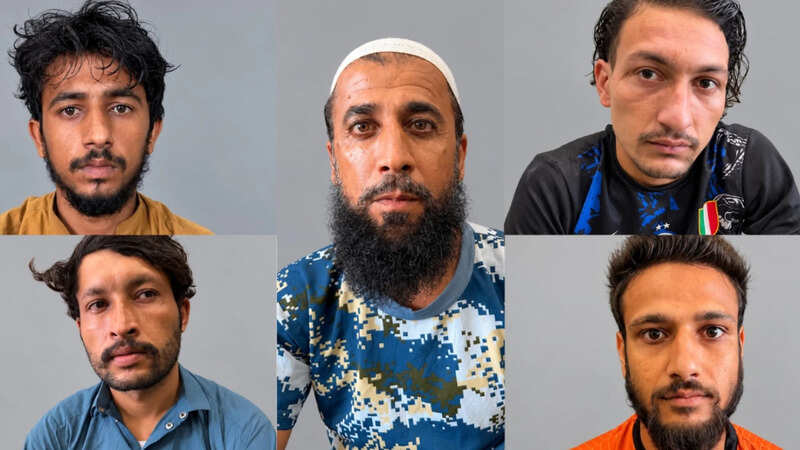
Gujarat Authorities Seize ₹3,000 Crore Worth of Drugs at Sea
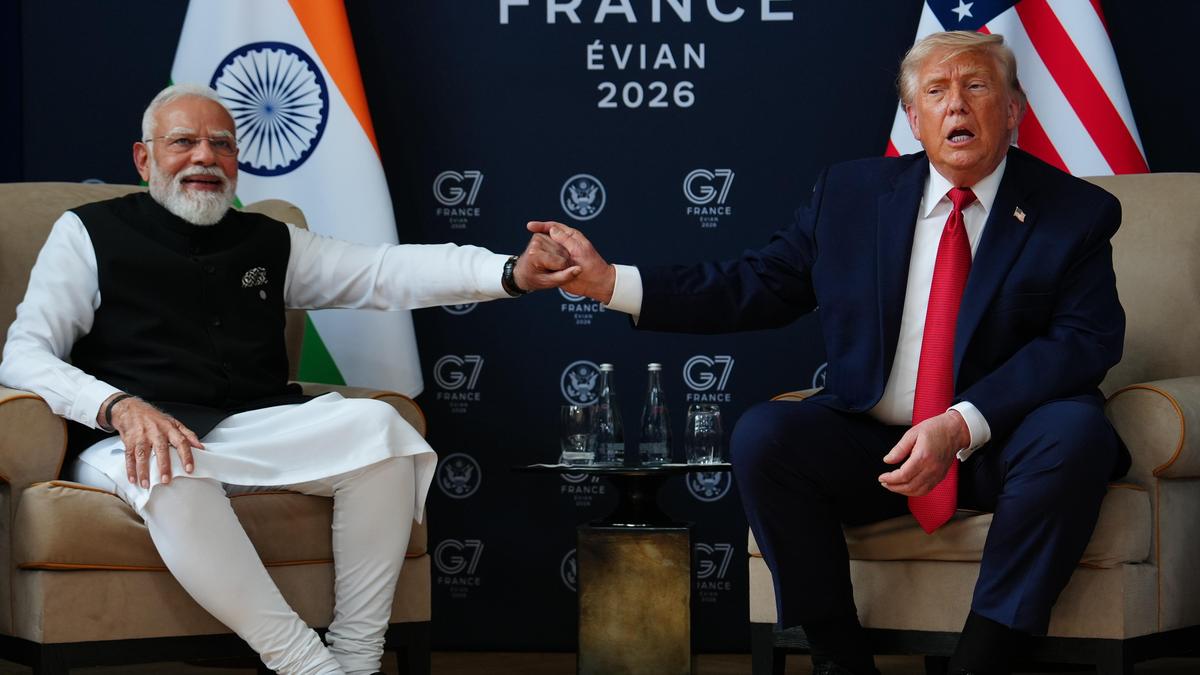
Modi and Trump Discuss Bilateral Cooperation in Key Sectors