Pakistan's Nuclear Deterrence Faces Criticism Amid Military Growth



Concerns regarding Pakistan's nuclear deterrence have intensified, particularly in light of a recent report highlighting the limitations of this strategy. Historically, Pakistan’s strategic leadership has promoted nuclear weapons as an essential safeguard for national security under the doctrine of 'full-spectrum deterrence.' This concept was intended to deter threats across the spectrum of conflict. However, the narrative appears increasingly unconvincing, according to findings by the Bulletin of the Atomic Scientists.
The report discusses a pivotal moment during Operation Sindoor, executed by the Indian military in May 2025. Following an attack linked to a Pakistan-based terror group, this military operation forced Pakistani leadership to acknowledge the constraints of nuclear capabilities. Specifically, the report notes that nuclear weapons cannot inhibit every conflict or crisis.
In recent times, Pakistan has exhibited a notable display of conventional military prowess, with military leaders being celebrated in public propaganda. This diversification in messaging is evident, as nuclear weapons and missile capabilities were conspicuously absent from these public displays. From public transportation adorned with military imagery to newly named public squares, the shift in focus is clear: the army is emphasising conventional military strength over nuclear capabilities.
The report also mentions how this push for conventional militarism has links to increased defence spending, alongside the establishment of a new Army Rocket Force Command. The role of the military in Pakistan's politics is significant, with conventional achievements yielding more political capital than nuclear capabilities.
This realisation begs the question: are nuclear weapons as pivotal to Pakistan's security as previously thought? The evidence suggests an emerging trend where conventional military readiness is gaining precedence over nuclear deterrence, marking a notable evolution in Pakistan's defence strategy and public perception. Such developments reflect a changing global view on nuclear armament, underscoring the complexities of modern military deterrence and strategy.

Election Commission Extends Deadlines for Andhra Pradesh and Meghalaya

INDIA Bloc Announces Nationwide Campaign Against Chief Election Commissioner

Gujarat Authorities Seize ₹3,000 Crore Worth of Drugs at Sea
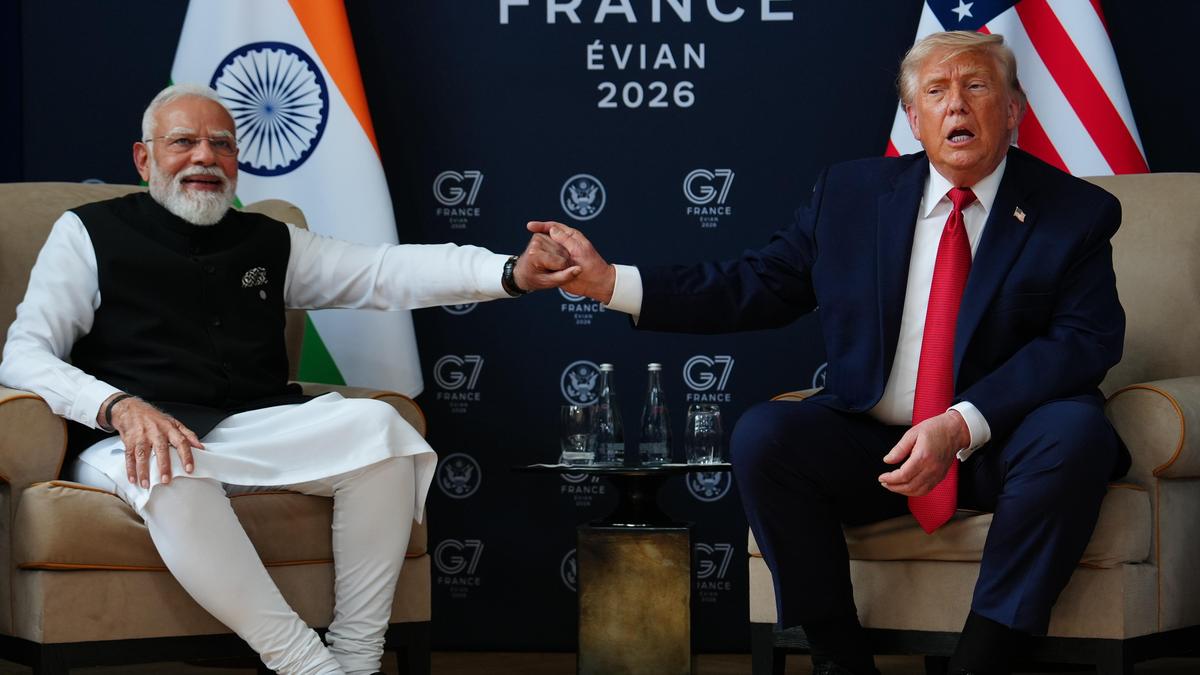
Modi and Trump Discuss Bilateral Cooperation in Key Sectors