Pakistan Launched Missile at Delhi During Operation Sindoor: Report


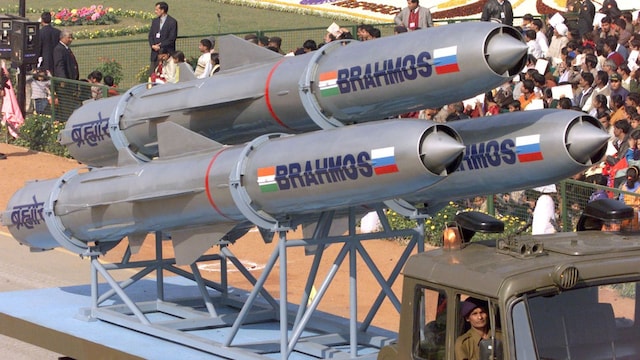
A recent documentary by Discovery has disclosed that Pakistan targeted New Delhi with a high-speed missile during Operation Sindoor in May 2025. This missile was intercepted by India at Sirsa, Haryana, as described in the docuseries titled 'Declassified: Operation Sindoor,' which aired on August 15, 2026.
National security analyst Nitin Gokhale noted that the missile was launched at approximately 1:30 PM and was aimed directly at Delhi. While the Indian Ministry of Defence had previously indicated that the missile targeted military installations, it did not explicitly mention the capital city as a specific target.
The missile attack triggered a substantial military response from India, marking the first major counteroffensive against 11 Pakistani airbases. Gokhale explained that the Indian Air Force was given full responsibility to deploy BrahMos cruise missiles.
The initial phase of India’s assault focused on several critical airbases, including Rafiqui and Sukkur, while the subsequent wave targeted locations such as Sargodha and Jacobabad. Air Marshal Awadesh Bharti stated that the aim was to signal India’s capability to strike at will without resistance.
Senior military officials reported significant damage to Pakistan’s air defence systems, impacting runways, hangars, and aircraft. Pakistani Prime Minister Shehbaz Sharif acknowledged this damage during remarks at the Pakistan-Türkiye-Azerbaijan summit in Lachin, Azerbaijan, in late May 2025.
Air Chief Marshal AP Singh indicated that the operation effectively engaged across a front of 1,200 kilometres into Pakistani territory. He stated, 'Things were really happening the way we wanted it to… All our weapons were reaching the correct places.'
Following the extensive counteroffensive, Pakistan’s military leadership sought an immediate cessation of hostilities. The Pakistani Director General of Military Operations contacted India’s counterpart through the established military hotline soon after the assault began, expressing Pakistan’s urgent desire to halt the escalating conflict.
Pakistan Army Chief General Asim Munir also reached out to United States Secretary of State Marco Rubio, urging Washington’s involvement to mediate a stop to the conflict. Rubio subsequently conveyed Pakistan’s request to India’s External Affairs Minister, S. Jaishankar.
Lt Gen Rajiv Ghai, who served as India’s DGMO during Operation Sindoor, received a communication late in the morning indicating Pakistan’s willingness to negotiate a ceasefire. He reported that Maj Gen Kashif Abdullah, Pakistan's DGMO, voiced concerns after significant missile damages had been inflicted, stating, 'Sir, having hit so many BrahMos missiles at us, you should now be satisfied, and we can bring this to a stop.'
India’s National Security Advisor Ajit Doval confirmed that after receiving multiple requests from Pakistan, both sides agreed to conclude hostilities, with the cessation of attacks occurring around 5:30 PM that same day. The current analysis sheds light on the rapidly evolving dynamics in the region during the standoff, key military strategies deployed, and the broader implications for Indo-Pakistani relations.
Election Commission Extends Deadlines for Andhra Pradesh and Meghalaya
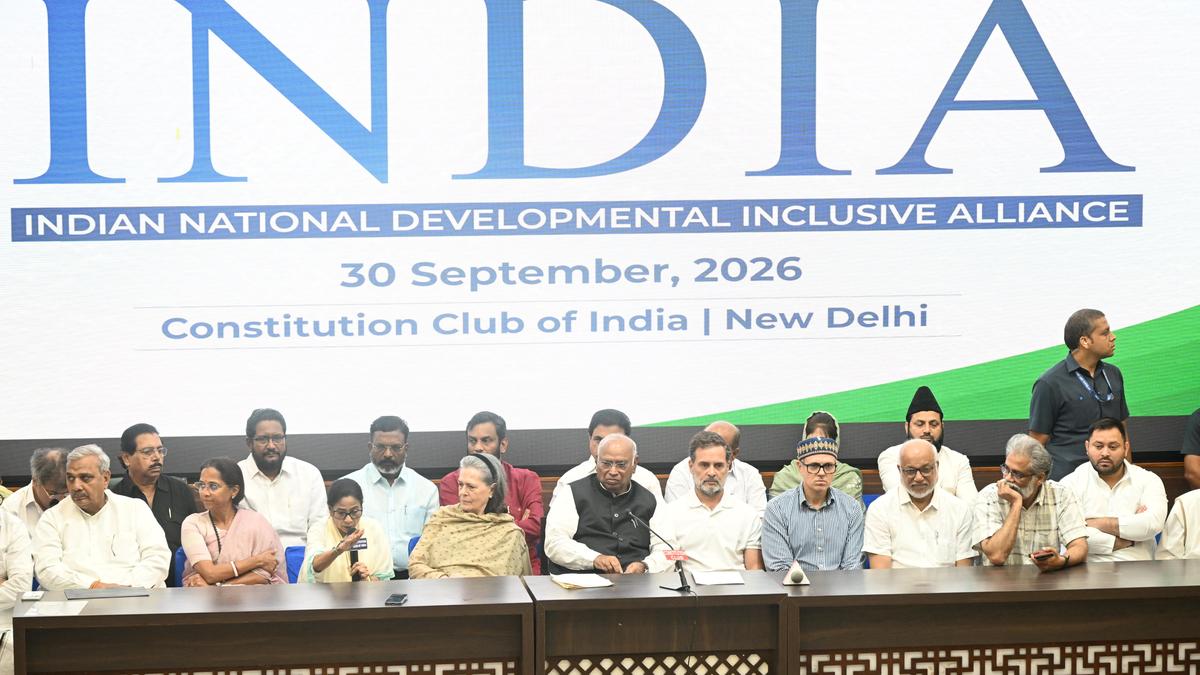
INDIA Bloc Announces Nationwide Campaign Against Chief Election Commissioner
Gujarat Authorities Seize ₹3,000 Crore Worth of Drugs at Sea
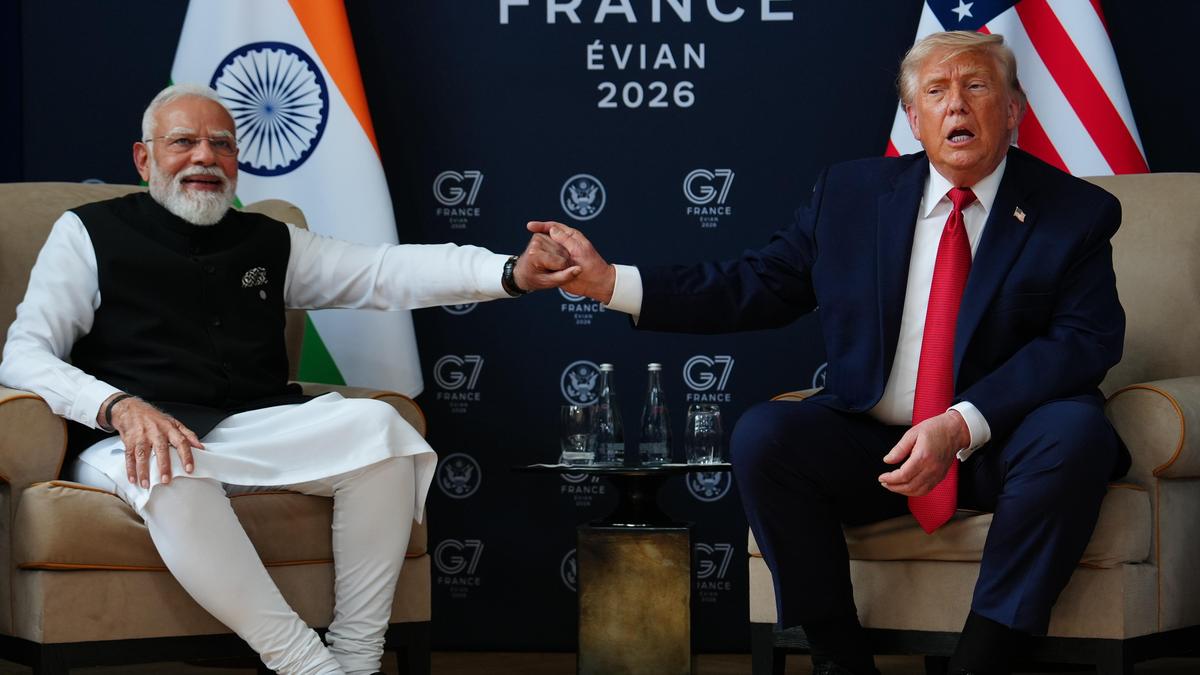
Modi and Trump Discuss Bilateral Cooperation in Key Sectors