Pakistan Imposes Emergency in Khyber Pakhtunkhwa Amid Unrest


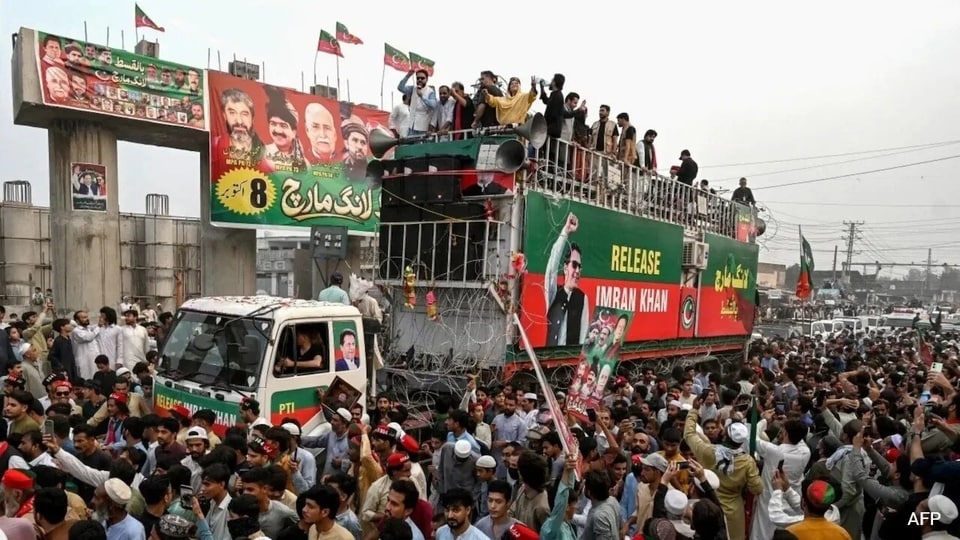
Pakistan's Khyber Pakhtunkhwa province is under a state of emergency following the government’s decision to suspend the Pakistan Tehreek-e-Insaf (PTI) provincial administration. This dramatic escalation comes amid rising political tensions and civil unrest related to the incarceration of former Prime Minister Imran Khan and his party's ongoing protests.
The federal government, citing constitutional grounds, justified the emergency rule as necessary to protect the population from potential terrorism threats. Federal Information Minister Attah Tarrar accused the PTI provincial government of colluding with terrorists without providing specific evidence. Observers have raised concerns that this move could exacerbate, rather than alleviate, political instability.
Emergency provisions resulted in the closure of schools and partial internet shutdowns across the province. An increased military presence has been reported, raising alarms about potential human rights violations. Police have not confirmed specific arrests, but there are indications of a crackdown on PTI leaders, many of whom have reportedly gone into hiding.
Protests in support of Khan have erupted, particularly in the Khyber district, with reports of law enforcement using tear gas against demonstrators. The protests follow weeks of mounting public dissatisfaction, with citizens demanding Khan's release.
Farzana Sheikh, an associate fellow at Chatham House, noted the perceived disingenuity behind the federal government's claim linking the emergency to terrorist threats. In contrast, journalist Arifa Noor highlighted a growing sentiment that the government's actions are more about quelling dissent than addressing genuine security issues.
Khan, who has been imprisoned since August 2023 on corruption charges that he claims are politically motivated, has not had regular contact with family or legal representation. Reports suggest that Khan's support base is increasingly agitated, as concerns about his health have surfaced without clear communication from the authorities.
The political landscape is further complicated by allegations that previous operations against militants, such as the Tehrik-i-Taliban Pakistan (TTP), have been ineffective. Critics contend that the military's current strategy lacks accountability due to political expediency shifting blame onto local government structures.
Amnesty International has raised concerns about potential violations of civil liberties under the emergency rule and the use of military forces for domestic operations. It warned that the imposition of emergency measures should not justify arbitrary detentions or the suppression of peaceful protests.
Tensions have also escalated due to a reported incident involving the Governor House in Khyber Pakhtunkhwa, which was allegedly set on fire. This is indicative of rising frustration among the public towards official actions perceived to undermine democratic processes and civil rights.
Current political dynamics suggest a chasm between the federal administration led by Prime Minister Shehbaz Sharif and the PTI. The conflict escalates as both sides remain entrenched in their positions, with PTI alleging that government actions are aimed at undermining their leadership.
Despite government assurances regarding the necessity of these measures, analysts caution that the situation may worsen, potentially igniting further unrest. The backdrop of rising militancy and ongoing security challenges poses additional risks, suggesting that the suspension of the provincial government could lead to an even more volatile political environment.
India and Czech Republic Explore Aircraft Manufacturing Partnership
India, Canada Discuss Global Stability and Prosperity
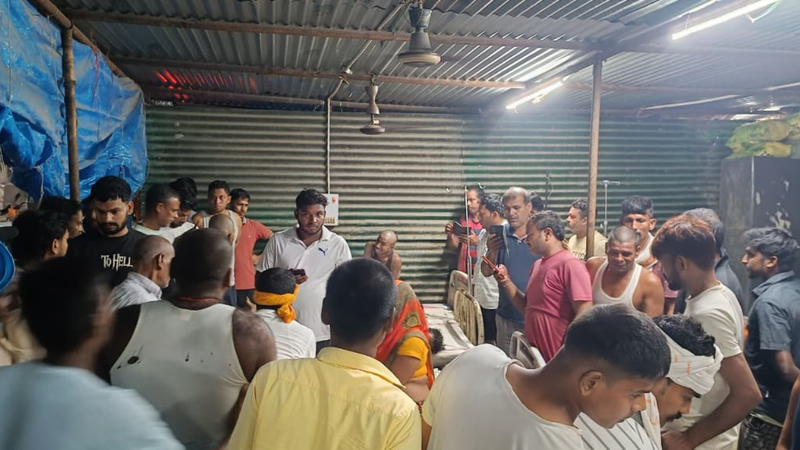
Tragedy in Bihar: Boat Capsizes Leaving Several Dead
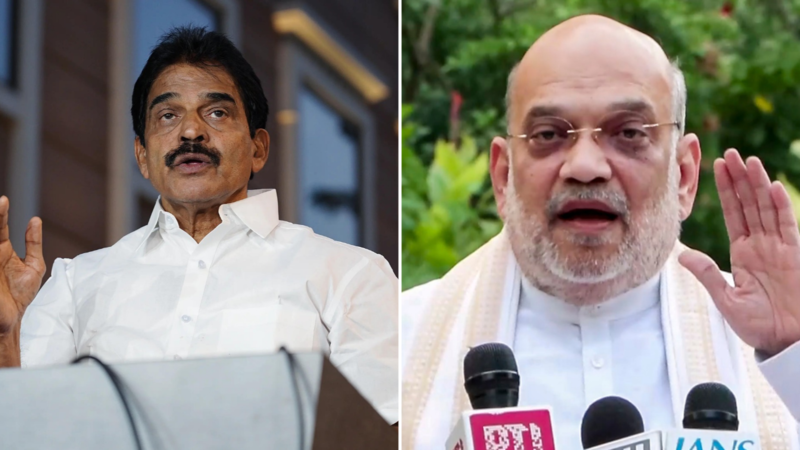
Amit Shah Critiques Rahul Gandhi Amid Ongoing Electoral Protests