Pakistan Emphasises Importance of Indus Waters Treaty at Conference


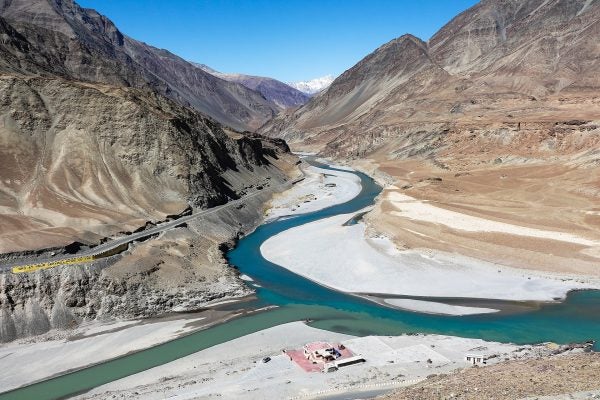
Pakistan hosted an international conference on the Indus Waters Treaty (IWT) on Tuesday, where officials expressed concerns about the treaty's stability and its implications for global order. The IWT, established in 1960 and regulating water distribution between Pakistan and India, has become a focal point of tension, particularly after India suspended its implementation following the Pahalgam terror attack in April 2025 that resulted in 26 civilian deaths.
Deputy Prime Minister and Foreign Minister Ishaq Dar addressed attendees, emphasising that the treaty is not just a water-sharing agreement but a crucial element for regional peace and stability. He noted that any failure of the treaty could jeopardise global order, highlighting the significant dependence of Pakistan's agricultural and energy sectors on the waters of the Indus River System.
The conference assembled both domestic and international experts to discuss the implications and future of the treaty. Bilawal Bhutto Zardari, head of the Pakistan Peoples Party, asserted that the IWT was "never a favour to Pakistan," reiterating the essential nature of the agreement for the country's water security.
Pakistan has been actively seeking to communicate its grievances at various international platforms, including the call for cooperation on shared waters. Senator Musadik Malik pointed out the leading role of the IWT in creating stability in the region and raised concerns over the credibility of international treaties if one nation could unilaterally disregard them. He stated, "What is the value of the treaties if one powerful country wakes up one day and says the treaty doesn’t apply to me?".
The conference was reported by Arab News, which noted that it aimed to strengthen Pakistan's case regarding India's suspension of the IWT. Malik labelled the treaty one of the strongest international agreements ever negotiated, arguing that international law should protect weaker parties.
Ishaq Dar also highlighted that shared waters should foster cooperation rather than conflict, emphasising that attempts to deprive Pakistan of its rights under the treaty would have severe repercussions for the peace and security of nearly two billion people in South Asia.
In the wake of the IWT's suspension, India has ramped up its efforts on hydropower and water resource management projects, asserting its rights under the treaty while linking remaining cooperation to the cessation of terrorism from Pakistan. Indian Prime Minister Narendra Modi previously remarked, "Blood and water cannot flow together," reiterating the connection between security concerns and treaty adherence.
The Indus Waters Treaty remains a vital arrangement, emphasised by the gathering of experts at the recent conference, as Pakistan navigates a complex geopolitical landscape amid ongoing tensions with India. The ramifications of the treaty's status are felt not only by the two countries involved but also regionally and globally, given the potential for conflict over vital water resources.
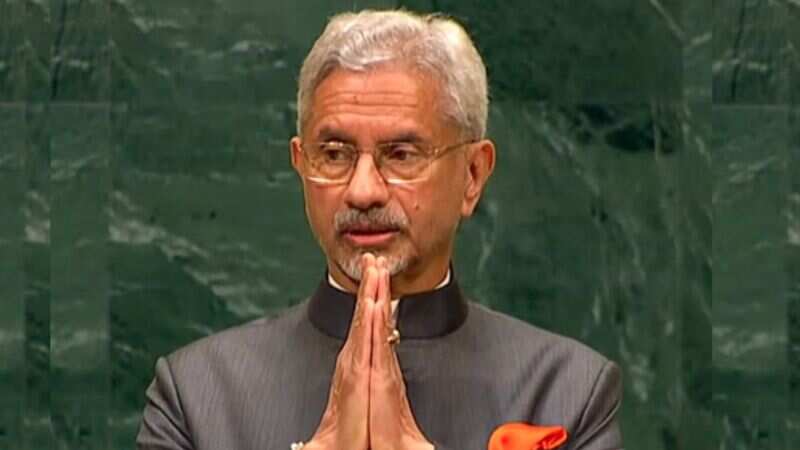
India's Jaishankar Criticises Pakistan at UN General Assembly
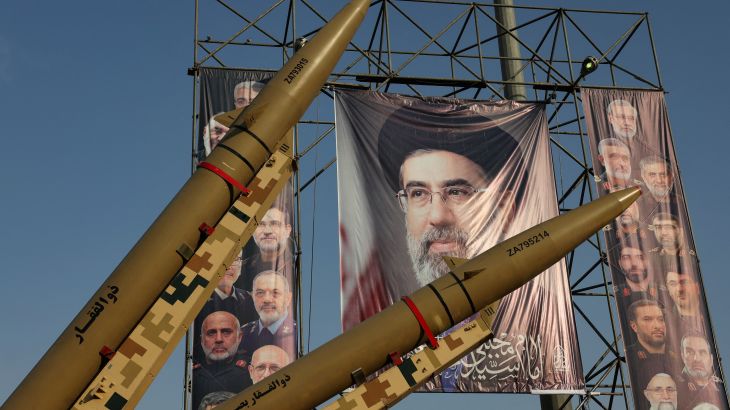
Iran Asserts Readiness for War Amid Rising Tensions in Hormuz
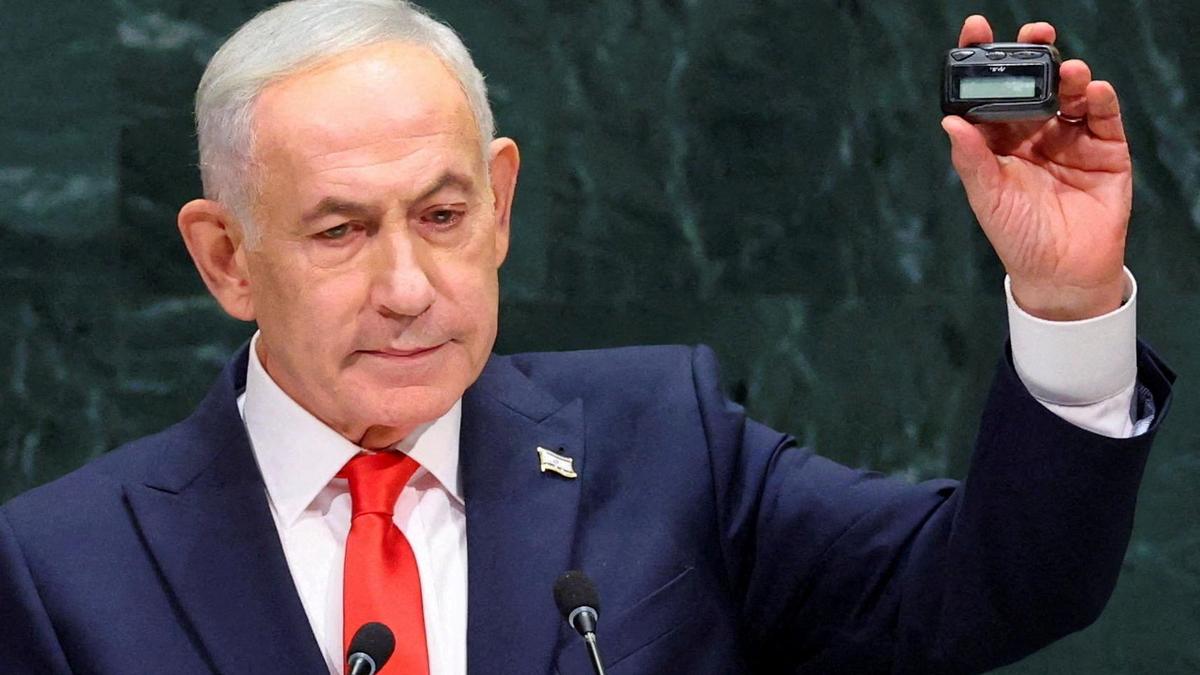
Israeli Prime Minister Netanyahu Makes Unannounced Visit to UAE

World Leaders Gather for Climate Summit, Pledges Made