New Zealand Coalition Falls Short of Majority in Election Results


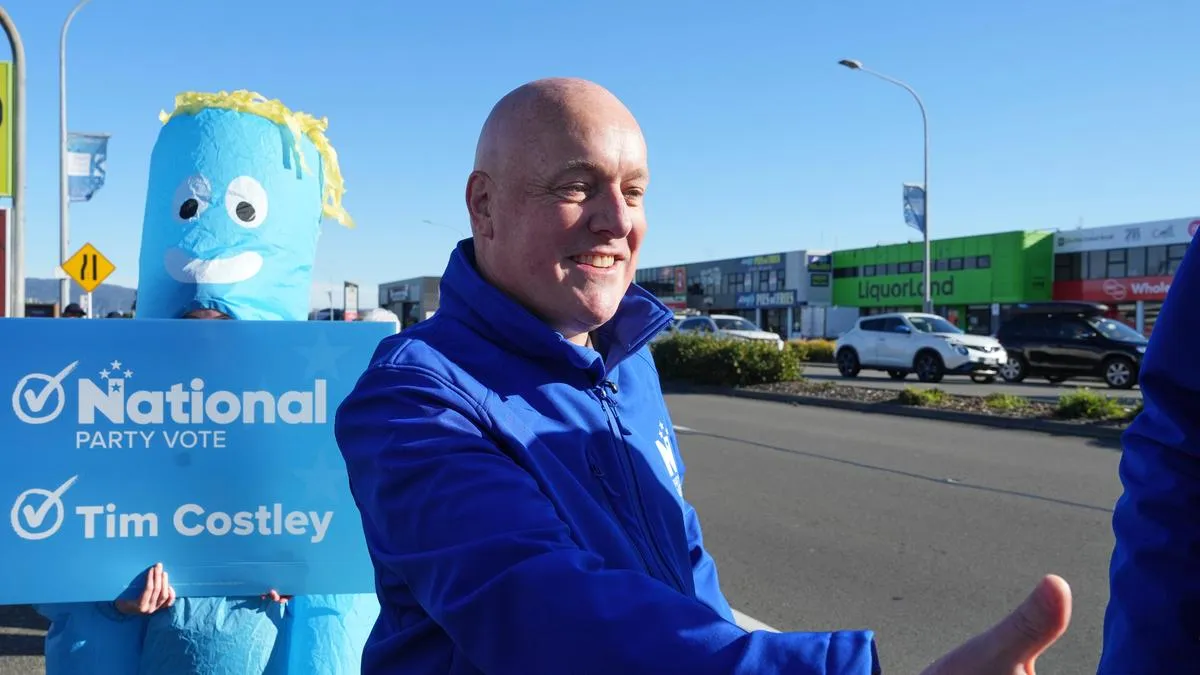
In the recent election, New Zealand's current coalition government has failed to secure a parliamentary majority, achieving a total of 40 seats out of 130. The coalition, led by Prime Minister Christopher Luxon of the National Party, requires the backing of the centrist Opportunity Party to maintain its grip on power. Without this support, a potential return to the polls looms. The election results come amid a political climate marked by economic challenges and voter discontent.
Alongside the National Party, its partners ACT and New Zealand First gained 13 and 12 seats respectively. In contrast, the Labour Party, led by Chris Hipkins, emerged with 36 seats while The Greens obtained 17 seats and Te Pāti Māori, which focuses on Māori interests, captured five seats. Opportunity, often seen as a pivotal player, secured seven seats, positioning it as a potential kingmaker in coalition negotiations.
Prime Minister Luxon, acknowledging the hurdles ahead, stated, "Kiwis won't thank us for rushing to an agreement that falls apart or for sending them back to the polls." His comments reflect the complexities involved in forming a stable government, especially given the need for consensus among various parties.
Chris Hipkins, despite leading Labour’s campaign that garnered the popular vote, conceded that the party's lack of seats limits its negotiating power. He remarked, "More New Zealanders voted for change at this election than for the status quo."
New Zealand uses a mixed-member proportional voting system that generally necessitates coalition governments. Each voter casts two votes: one for a political party and another for their local representative, contributing to the diverse political landscape.
The recent election results highlight widespread voter dissatisfaction, rooted in economic struggles including soaring living costs and rising unemployment. A survey by the Helen Clark Foundation revealed that over half of New Zealanders no longer view the country as a land of opportunity, with many citizens emigrating in search of better prospects. This trend includes former Prime Minister Jacinda Ardern, who recently relocated to Australia.
The electoral landscape showcases the shifting sentiments among the populace, with many voters feeling disillusioned and apathetic. In interviews, individuals expressed concerns over mounting economic pressures, emphasizing a growing disconnection from political leadership.
Major pledges made by the National Party during the campaign included promises of lower taxes, increased renewable energy generation, and enhanced defence spending. Conversely, Labour sought commitments to reduce public transport and healthcare costs, along with increasing government support for social housing.
As negotiations commence, the Opportunity Party, led by Qiulae Wong, has indicated a willingness to engage with the National Party, while keeping other options available. Wong stated, "There are seven parties in parliament and everyone is responsible for making sure we do everything we can to deliver a stable government for New Zealand. It's not just up to us."
With prevailing uncertainty in the political landscape, all eyes will be on how negotiations unfold in the coming days and weeks, as New Zealand navigates its path forward amidst economic challenges and public dissatisfaction.

Severe Weather Disrupts Thanksgiving Travel Across the US

Donald Trump Invites Putin to G20 While Urging Peace in Europe

India to Deploy Fifth S-400 Air Defence System Along LoC

Bangladesh Opposition Leader Faces Media Scrutiny During Australia Visit