New Blood Test Trial Aims to Transform Cancer Diagnosis in NHS


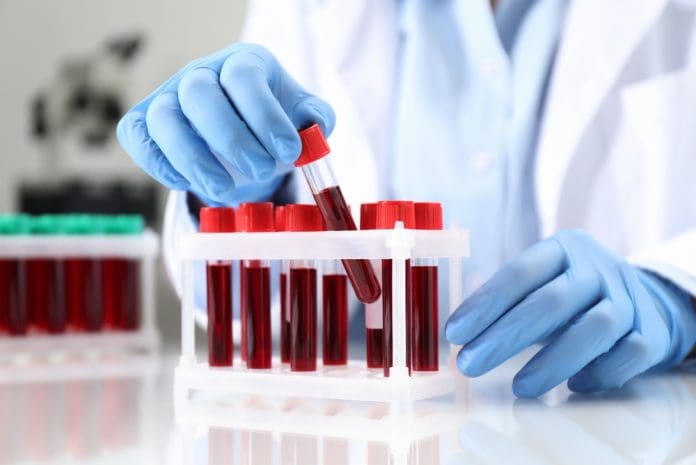
In an effort to improve cancer diagnostics, the National Health Service (NHS) in England has launched the STRIDE trial, targeting over 20,000 patients aged 45 and older with ongoing abdominal symptoms. With initial testing set to take place across at least 200 general practitioner (GP) practices, the trial seeks to enhance early cancer detection, particularly for challenging-to-diagnose abdominal cancers such as pancreatic and ovarian cancer.
Professor Peter Johnson, NHS National Clinical Director for Cancer and chair of the Office for Life Sciences, has identified the difficulties in diagnosing cancers that present with vague symptoms. Currently, only 2 to 6 per cent of urgent suspected cancer referrals lead to a diagnosis, leaving many patients in distress without a clear path forward. The STRIDE trial aims to address this issue by introducing a supplementary blood test alongside routine blood investigations.
Developed at the University of Birmingham, the blood tests employ advanced techniques, including artificial intelligence, to reveal potential cancer markers. By detecting these signals early, the tests may help GPs make more informed decisions regarding urgent referrals without unnecessary anxiety for patients.
The initiative underscores the UK government's commitment to improving cancer care, with up to £8.49 million allocated through the National Institute for Health and Care Research. Cancer detection, particularly in the abdominal region, has been notoriously challenging due to symptoms that often mimic less severe health issues. A successful trial could help healthcare professionals direct patients needing further investigation effectively.
Abdominal cancers are typically diagnosed at later stages, resulting in poor prognoses. For example, approximately 90% of bowel cancer patients diagnosed at stage 1 survive for at least five years, while only 10% of those diagnosed at stage 4 achieve the same survival rate. STRIDE will focus on identifying several types of abdominal cancers, including those of the kidney, bladder, prostate, gallbladder, and liver, among others.
Health Secretary Yvette Cooper emphasised the importance of early detection, stating, “The earlier cancers are diagnosed, the more chance they can be successfully treated, and lives can be saved.” The STRIDE trial will assess whether routine blood tests can significantly improve the speed and accuracy of referrals for further diagnostic procedures.
The approach of testing symptomatic patients is expected to provide different statistical insights compared to previous trials, which predominantly focused on asymptomatic individuals. For instance, the NHS-Galleri trial examined more than 140,000 adults without symptoms but failed to achieve its objective of lowering advanced-stage cancer rates. The STRIDE trial presents a more tailored strategy that could potentially enhance diagnostic efficiency and reduce the burden on limited healthcare resources.
Hearteningly, if successful, the STRIDE trial could help alleviate pressure on diagnostic services, which frequently experience significant backlogs. With a growing number of patients requiring urgent cancer tests, enhancing the effectiveness of referral pathways is crucial.
However, for the STRIDE initiative to yield positive results, close attention must be paid to how GPs interpret and act on the test results. A positive outcome could lead to increased urgent referrals, while a negative one must not lead merely to deferred action on ongoing symptoms.
The trial includes participants from diverse geographic backgrounds, ensuring that practices in inner cities, coastal towns, and rural areas are all represented. This inclusion is vital as disparities in cancer diagnosis exist, particularly in economically disadvantaged communities where late presentations typically occur.
Recruiting a substantial number of participants comes with its challenges, and the trial's design will be scrutinised alongside outcomes related to diagnostic effectiveness. The STRIDE initiative is a vital component of the broader National Cancer Plan, which seeks to transform Britain into Europe’s leading life sciences sector by 2030. It aims to bring together healthcare, industry, and research to develop innovative solutions while ensuring that clinical evidence underpins any new diagnostic technologies.
Despite the promise of advancements, NHS leaders must remain vigilant about the balance between commercial interests and patient care. Rigorous evaluations will be necessary to ensure that any new diagnostics are both effective and beneficial to patients, maintaining a constant focus on the clinical implications of these emerging technologies.

Indian-Americans Lead Democratic Success in 2026 US Midterms

UNESCO Recognises Mahabharata, Arthashastra, and Rajatarangini

Russia and Iran Discuss Gas Pipelines Amid Regional Tensions

Russia and Ukraine Resume Airstrikes Amid Productive Talks