Russia and Ukraine Resume Airstrikes Amid Productive Talks


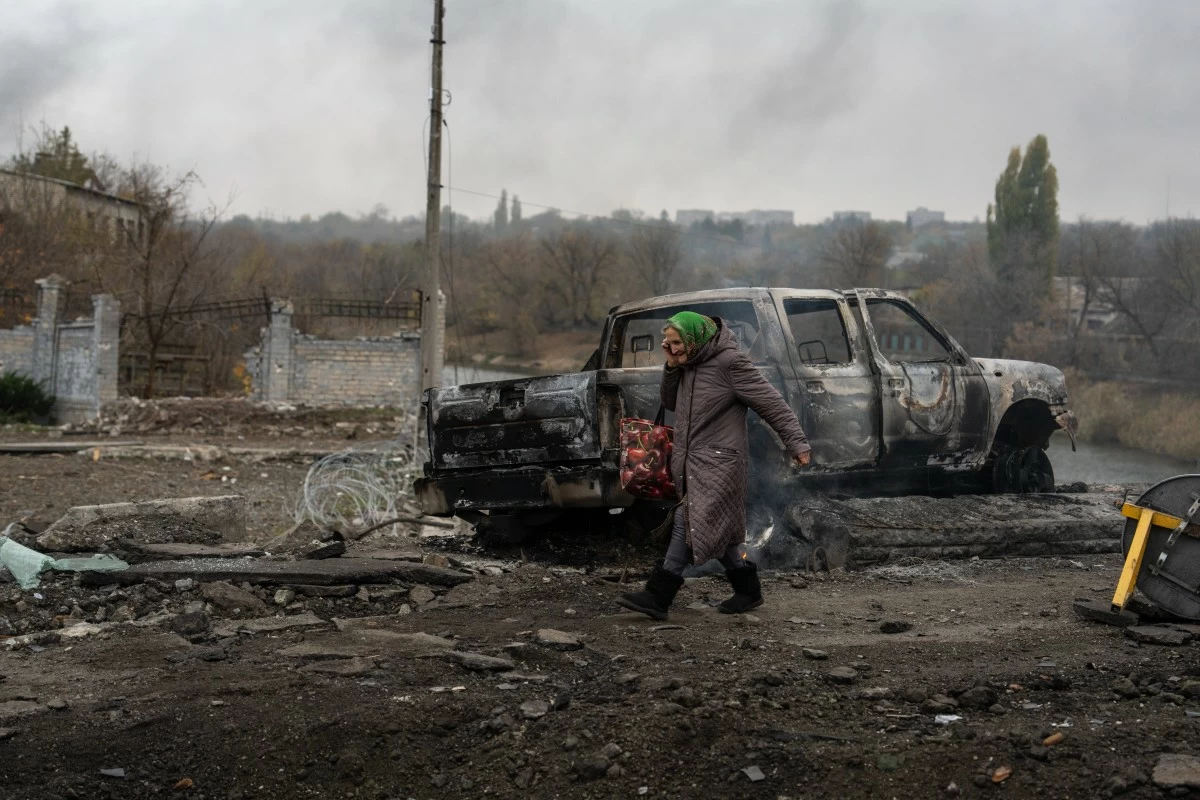
Russia and Ukraine have once again engaged in airstrikes, coinciding with the conclusion of the second day of discussions in Brussels regarding Ukraine’s reconstruction and security guarantees after the ongoing conflict. The latest escalation of hostilities highlights the considerable challenges ahead in rebuilding the war-torn nation.
Overnight, Ukraine deployed hundreds of drones targeting Russian positions, with the Russian Defence Ministry reporting the interception of nearly 500 of these aerial vehicles. The exchange of strikes has led to significant casualties, with an attack attributed to Ukraine resulting in the deaths of five individuals and injuries to 13 others in Luhansk, a region currently under Russian occupation.
Rescue teams continue to search for over 30 individuals believed to be trapped under the debris of a school and a nearby shelter in Komyshuvakha. This location was targeted by Russian guided munitions, exacerbating the humanitarian crisis as residents awaited vital aid. According to Ukrainian President Volodymyr Zelenskyy, the death toll from this incident has reached 43, with one previously reported missing person found alive.
The NATO headquarters in Brussels hosted high-level meetings, involving officials from the United States, the United Kingdom, France, Germany, and the European Union. Discussions revolved around the financial requirements for Ukraine's reconstruction, which includes projected funding for 2027, alongside security arrangements endorsed by Ukraine’s Western allies. Lead Ukrainian negotiator Rustem Umerov stated that representatives from the World Bank and the American investment company BlackRock were also involved in these crucial discussions.
Jared Kushner, former U.S. President Donald Trump’s son-in-law and peace envoy, labelled the talks as “productive and substantive.” The outcomes in Brussels precede anticipated negotiations in Abu Dhabi between representatives from Russia, Ukraine, and the United States aimed at finding a resolution to the ongoing war.
In a recent update on social media, President Zelenskyy noted his discussions with U.S. negotiators, indicating a push for expedited progress in the negotiations to conclude the war promptly. He assured that Ukraine is prepared to undertake necessary steps and has communicated clear proposals to the American side.
Zelenskyy also expressed optimism regarding the recent victory of the Democratic Party in the U.S. midterm elections, suggesting a potential shift in support for Ukraine. In an interview with German broadcaster ZDF, to be aired in full soon, he acknowledged bipartisan support but emphasised the importance of renewed ties between the U.S. and Europe, which he feels have diminished over recent years.
Estonian Foreign Minister Margus Tsahkna remarked to The Associated Press that the election results might alter the prevailing sentiments regarding Russia in Washington, stating, “the understanding that Russia is an aggressive country” could gain traction. However, he highlighted the ongoing influence of President Trump on foreign and security policy.
In terms of financial support, the European Commission has allocated 4.4 billion euros (approximately $4.9 billion) to Ukraine, as part of a broader 90 billion-euro assistance package agreed upon by EU leaders in April. Commission President Ursula von der Leyen stated this funding will aid Ukraine in covering essential expenditures for defence and public services. “As Russia continues its relentless attacks, Ukraine is about to start its fifth wartime winter,” she noted, reaffirming the EU's steadfast support for Ukraine amid ongoing hostilities.
In the most recent military engagements, Ukraine’s air defence systems reportedly intercepted or rendered inactive 105 out of 128 Russian attack drones. Simultaneously, Russian strikes have reportedly caused injuries in both Dnipropetrovsk and Kyiv regions. Russian media reported that a Ukrainian drone assault had ignited a fire at an industrial site in the Ryazan region.
As tensions continue to escalate, the international community remains closely engaged in seeking a resolution to the ongoing conflict and addressing the significant humanitarian crises stemming from the war.

Indian-Americans Lead Democratic Success in 2026 US Midterms

UNESCO Recognises Mahabharata, Arthashastra, and Rajatarangini
Russia and Iran Discuss Gas Pipelines Amid Regional Tensions
Asian Stocks Face Significant Declines Amid Market Turmoil