Nepal Floods: DNA Tests Initiated to Identify Victims Amid Crisis


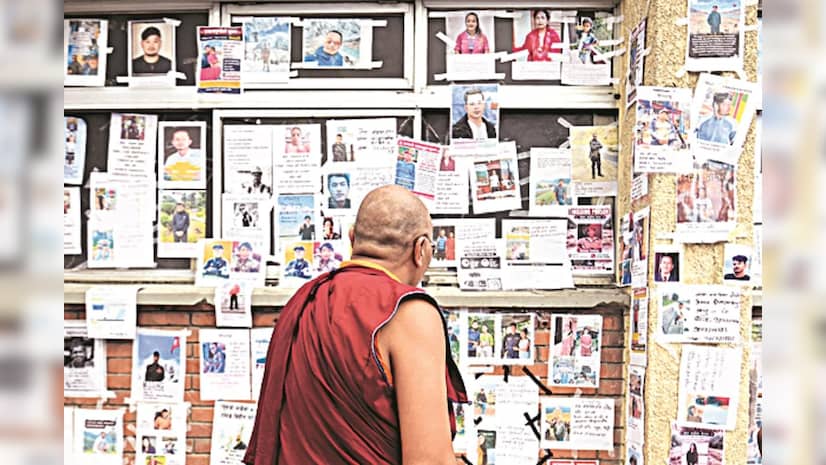
Following the catastrophic flash floods in Nepal, authorities are calling for relatives of missing individuals to provide blood samples to assist in victim identification. More than a week after the disaster, many bodies are being buried due to overcrowded morgues, prompting officials to implement DNA identification processes.
Among those affected is 19-year-old Prakrit Gurung, who hopes her DNA sample will help locate her mother, whose whereabouts remain unknown. Her father has been identified, as her brother recognised him from a photograph displayed outside a local hospital. Prakrit is one of the many individuals submitting samples, following a directive from the government.
An Australian citizen, who was one of the first to donate blood, is awaiting news about his missing brother, a Nepalian national. Officials are encouraging relatives abroad to send their DNA profiles, with several Australian families already submitting samples.
Rameshwor Adhikari, an army official, stated, "We are collecting blood samples here, from their siblings, or direct relatives. People are coming from all over the valley to give blood, and from different places all over the country." The number of individuals providing samples has increased significantly since the programme began, with more than 1,000 confirmed fatalities and approximately 4,000 people reported missing, including 38 Australians.
Family members of missing Australians have urged their government for additional support, requesting efforts to locate their loved ones. In the hardest-hit upper Rasuwa district, local families are pleading with the Nepali government to enhance rescue operations and deploy necessary equipment.
Communication in some areas, particularly near the Chinese border, remains disrupted. Lhakpa Gha, 53, from Timure village, described her loss, stating, "I lost my whole family." She detailed how seven relatives were swept away in the floods, affirming that her survival was due to being in Kathmandu at the time. Gha lamented the army's inability to access her village, voicing frustration that officials have cited the area as "high risk" while making no attempts at rescue.
A recent report from the United Nations indicated that reaching the most affected areas may take weeks, as essential infrastructure, such as roads and bridges, has been rendered unusable. Aid organisations, including Save the Children, are facing similar access challenges. Amy Sagitta Lefevre, involved with the charity, noted that while aid is reaching certain locations, major barriers still impede comprehensive relief efforts.
The organisation is working to provide supplies like makeshift tents and basic necessities but is limited by accessibility issues. Lefevre highlighted continuous efforts to support families by distributing items such as blankets and hygiene kits, particularly for women and children who are disproportionately affected.
Approximately 2,600 children are anticipated to require urgent medical attention for conditions such as severe malnutrition. Additionally, over 100 children have been reported as having been separated from their families during the calamity. Lefevre expressed concerns about potential child trafficking in the chaos post-disaster, noting that this region has a history of such issues.
The recovery process, as indicated by officials, could extend over a year, prompting Save the Children to establish a field office in the area. As the situation continues to unfold, authorities remain focused on providing aid and resources to address the immediate needs of the affected populations.

Trump, Putin, and Xi to Meet at APEC Summit in Shenzhen, China
Congress Criticises Adani for Dramatic Cost Cut in Maharashtra Project

Urban Infrastructure Crucial for India's Manufacturing Growth
India Extends Ban on Zakir Naik's Islamic Research Foundation