Myanmar Holds First Election Since 2021 Military Coup


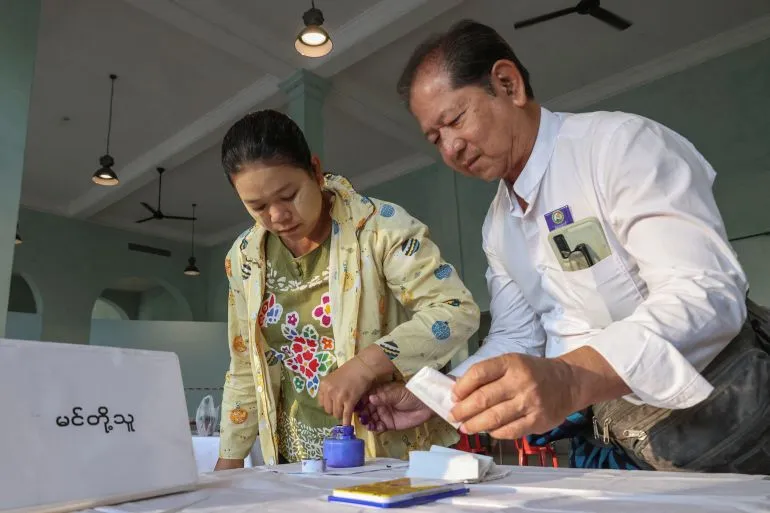
Polling has concluded in Myanmar's first general election since the military ousted Aung San Suu Kyi's democratically elected government in 2021. The election was conducted under significant restrictions, with voting occurring in only a third of the nation’s 330 townships, as widespread civil conflict continues between the military and various opposition groups.
In Yangon, the country's largest city, polling stations opened at 6am local time on Sunday and closed at 4pm. Following this initial phase, two additional voting rounds are scheduled for January 11 and January 25, while elections were entirely cancelled in 65 townships.
As reported by Al Jazeera’s Tony Cheng from Yangon, the disenfranchisement of at least 20 percent of the population is a critical concern. Cheng noted, "The big question is going to be here in the cities, what is the turnout going to be like?" Initial estimates suggested a turnout of around one-third of registered voters.
The election has faced widespread condemnation from critics, including the United Nations and various human rights organisations, who argue that it lacks legitimacy. The pro-democracy National League for Democracy (NLD), once led by Aung San Suu Kyi, has been dissolved, and many anti-military political parties have been barred from participating.
The pro-military Union Solidarity and Development Party (USDP) is anticipated to secure a substantial number of seats in the election. Senior General Min Aung Hlaing, who has been governing the country since the coup, characterised the vote as an opportunity for political and economic renewal for Myanmar’s 55 million residents. After casting his ballot in Naypyidaw, he claimed the elections were free and fair, despite being conducted under military oversight.
The state-run Global New Light of Myanmar proclaimed that the election would usher in a new chapter for the nation, aiming to connect the people with a prosperous future. Observers from several countries, including Russia and China, were welcomed ahead of the polls, although their presence has drawn scepticism from various international bodies.
Tom Andrews, the UN’s Special Rapporteur on Myanmar, condemned the election process, stating, "An election organised by a junta that continues to bomb civilians, jail political leaders and criminalise all forms of dissent is not an election – it is a theatre of the absurd performed at gunpoint." He emphasised that the election would not alleviate Myanmar's ongoing crisis but would instead deepen division and conflict.
The ongoing civil war, which erupted following the coup, has resulted in an estimated 90,000 fatalities, with around 3.5 million people displaced and approximately 22 million requiring humanitarian aid. The Assistance Association for Political Prisoners reports that over 22,000 individuals are currently imprisoned for political reasons.
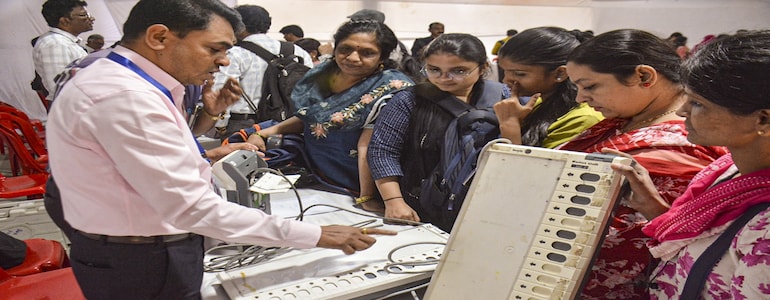
In Yangon, polling stations were heavily secured, with armed personnel positioned at key intersections. Electronic voting machines, being used for the first time, have drawn criticism for their restrictions, including the exclusion of write-in candidates and the inability to submit spoiled ballots.
Among the voters was 45-year-old Swe Maw, who dismissed international disapproval of the elections, stating, "It’s not an important matter. There are always people who like and dislike." Conversely, Moe Moe Myint, a 40-year-old resident from the central Mandalay region, expressed her doubts about the election's integrity, saying, "How can we support a junta-run election when this military has destroyed our lives? We are homeless, hiding in jungles, and living between life and death."
The subsequent rounds of polling are set to conclude on January 25, but the specific timing for vote counting and result announcements remains undisclosed. Analysts have warned that the military's efforts to establish a stable government amid ongoing conflict could prove perilous, with limited international recognition anticipated for any government formed under military oversight.
Richard Horsey, an analyst at the International Crisis Group, remarked, "The outcome is hardly in doubt: a resounding USDP victory and a continuation of army rule with a thin civilian veneer." He cautioned that this election would likely exacerbate political divisions and prolong the country's crisis, leaving the new administration with minimal credibility and no clear strategy for improvement when it assumes power in April 2026.
BJP Allies Urge Election Commission to Address Public Concerns
Thousands of Ganesh Idols Immersed in Telangana Festivities
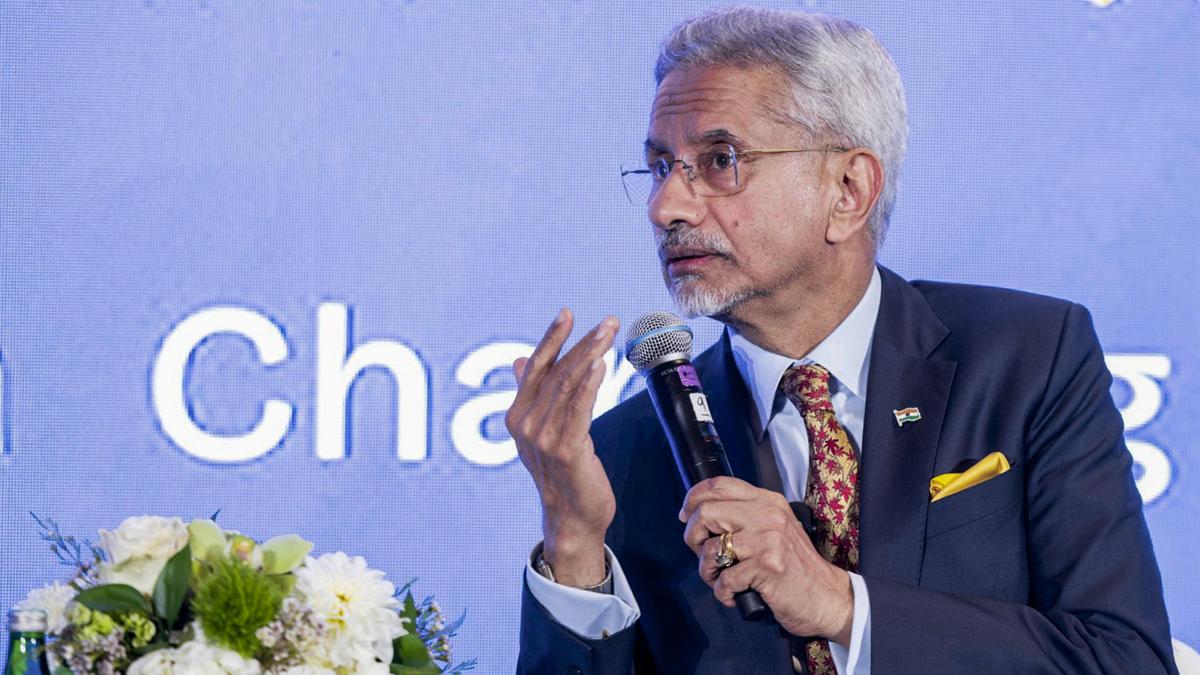
Jaishankar Calls Attacks on Civilian Shipping ‘Indefensible’
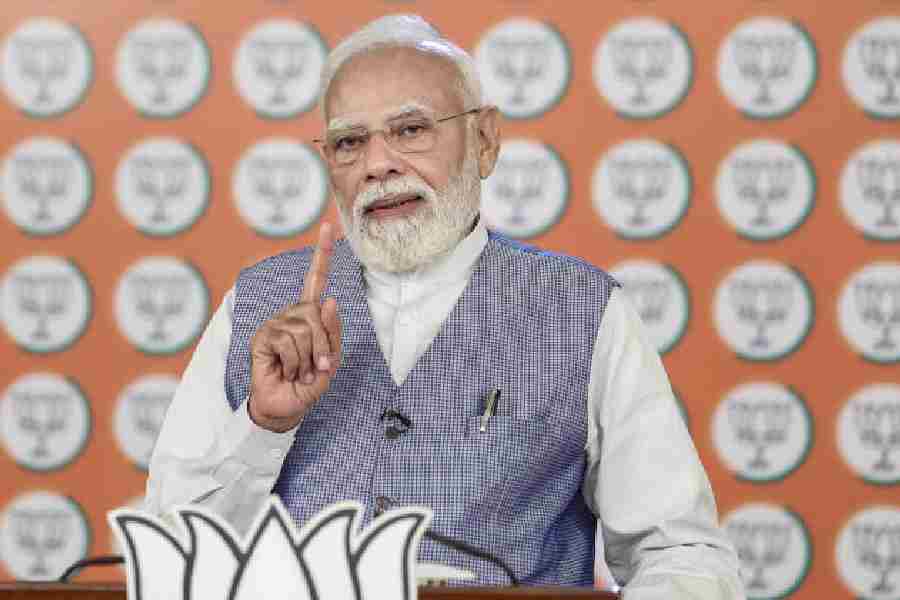
Indian Prime Minister Urges Integration of Social Reforms in Governance