Men's Hair Loss: Causes in Their 20s and 30s Explained


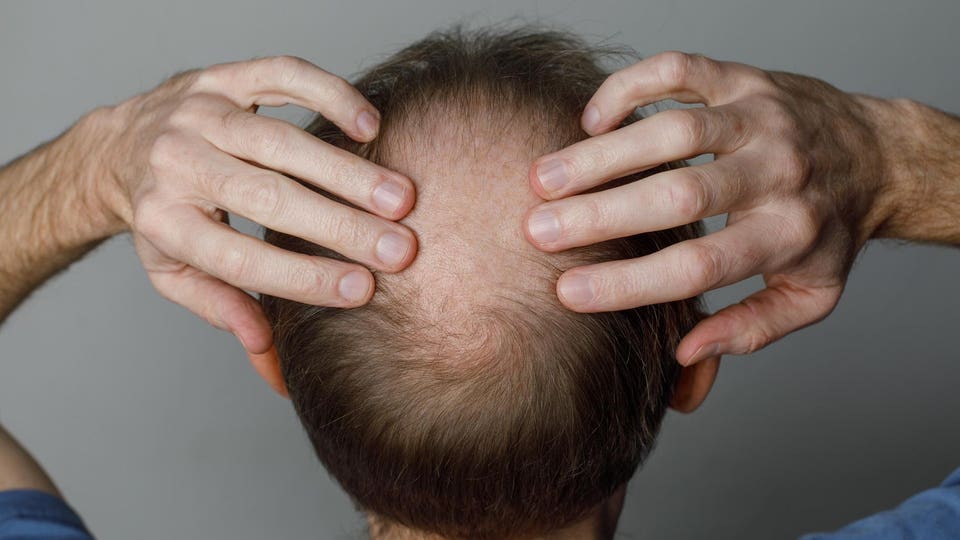
Hair loss at a young age can be concerning for men, particularly when thinning hair or receding hairlines appear sooner than anticipated. Dermatologists have identified that while male-pattern baldness is frequently the cause, other factors may also lead to hair loss. Dr Kanishka Paul, a dermatologist at Man Matters, states that androgenetic alopecia, a condition predisposed by genetics, is often a primary reason for hair loss in young men. It relates to the hair follicles' response to dihydrotestosterone (DHT), a hormone derived from testosterone. According to Dr Paul, this condition is not the sole factor in hair shedding, with multiple causes that may lead to increased hair loss.
Dr Mikki Singh, a board-certified dermatologist and cosmetologist, noted that androgentic alopecia is the most common diagnosis among young male patients. This condition is marked by hair recession around the temples and thinning at the crown attributed to DHT's effect on genetically susceptible hair follicles. A family history of hair loss can significantly aid in making an accurate assessment.
Not all hair loss follows a gradual pattern. Dr Paul points out that telogen effluvium, which can result from stress, illness, or drastic changes in weight, may lead to significant hair shedding. Conditions such as thyroid disorders and other hormonal imbalances might produce diffuse hair thinning that can sometimes be mistaken for typical hair loss.
Dr Singh explained that severe stress can trigger telogen effluvium, with noticeable hair loss typically, surfacing two to three months after stressful episodes. This condition is usually temporary, but it can expose underlying pattern loss, particularly in those with a genetic predisposition.
Furthermore, dietary factors may also impact hair health. Dr Paul indicated that deficiencies in essential nutrients like iron, zinc, and biotin could contribute to increased shedding. Dr Singh affirmed that many young men are found to have low levels of vitamin D, vitamin B12, and ferritin. While correcting nutritional deficiencies does not reverse genetic male-pattern baldness, addressing these gaps may help alleviate additional factors leading to hair loss.
Dr Singh mentioned that substantial shedding can occur several months following a significant illness, with patients often experiencing increased hair fall post-infections like COVID-19, dengue, or other severe fevers. This shedding is usually temporary, with normal hair growth resuming once the triggering illness has been treated. However, excessive and persistent hair loss warrants professional evaluation rather than being attributed solely to a past event.
Moreover, Dr Paul associated hair loss with alopecia areata, an autoimmune disorder that results in sudden patchy baldness, often affecting younger adults. Infections and inflammatory conditions affecting the scalp can also disrupt healthy hair growth.
Addressing these various aspects can provide young men with a clearer understanding of their hair loss and the necessary steps towards managing it effectively.

Election Commission Extends Deadlines for Andhra Pradesh and Meghalaya

INDIA Bloc Announces Nationwide Campaign Against Chief Election Commissioner

Gujarat Authorities Seize ₹3,000 Crore Worth of Drugs at Sea

Modi and Trump Discuss Bilateral Cooperation in Key Sectors