Macron Calls for Strong EU Response to US Tariffs on Greenland


French President Emmanuel Macron has called for robust action from the European Union in response to recent tariff threats from the United States concerning Greenland. This escalation in tensions comes after remarks made by former President Donald Trump, who claimed that the autonomous territory should be under US governance.
During a recent press conference, Macron highlighted the necessity for the EU to activate its anti-coercion instrument, a mechanism designed to protect member states from economic pressure. He referred to the situation as a 'Greenland row' and deemed the US tariffs as an act of economic coercion that undermines fair trade.
Macron's comments reflect growing concerns among EU leaders about maintaining sovereignty and the collective economic interests of member states. He stated, “Europe must respond decisively to protect its industries and its citizens from coercive actions by external powers.” The proposed 'trade bazooka' could involve significant tariffs or trade barriers that would be aimed at sectors impacted by recent US policies.
The tension over Greenland is not the first instance of conflict regarding territories and trade. In recent years, other disputes have arisen, particularly concerning fishing rights and mineral resources in Arctic regions, which are becoming increasingly valuable.
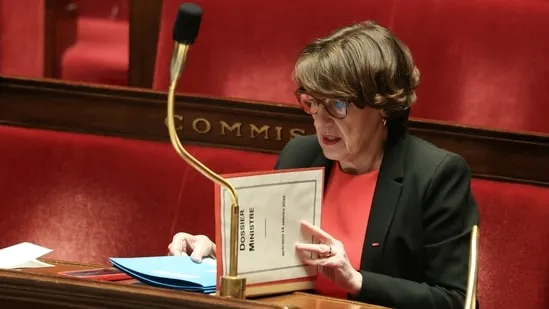
In addition to Macron's call to action, French Minister Annie Genevard warned that the US risks substantial economic consequences should they persist in these coercive tactics. She emphasized that retaliatory measures could lead to a broader trade conflict impacting both economies.
The developments signal a strategic shift in how Europe may respond to perceived threats and underscore the fragile state of transatlantic relations, particularly during a period of global economic recovery following the COVID-19 pandemic.
Analysts observe that this situation could lead to further diplomatic negotiations between the EU and the US. However, the success of such talks will depend on the willingness of both parties to engage in constructive dialogue, particularly in the areas of trade and investment.
As the situation unfolds, the international community will be closely monitoring the responses from both the EU and US, as they will have wider implications for global trade relations. The stakes are high for all involved, as the economic ramifications could reverberate across various sectors worldwide. Macron’s proactive stance may set the tone for future interactions between the two economic powers and signal a more united front from Europe in addressing trade challenges.
In recent days, German military personnel concluded their short deployment in Greenland, part of a wider narrative that includes military and geopolitical dimensions intertwined with economic disputes. These factors complicate the environment for international negotiations further, showcasing the interconnected challenges faced by nation states today.
Kerala Initiates Probe into 2006 Suicide Case Involving CEC

Extradition of Sheikh Hasina Feasible, Says Indian High Commissioner

Punjabi Makeup Artist Mad Sandhu Shot Dead in Amritsar
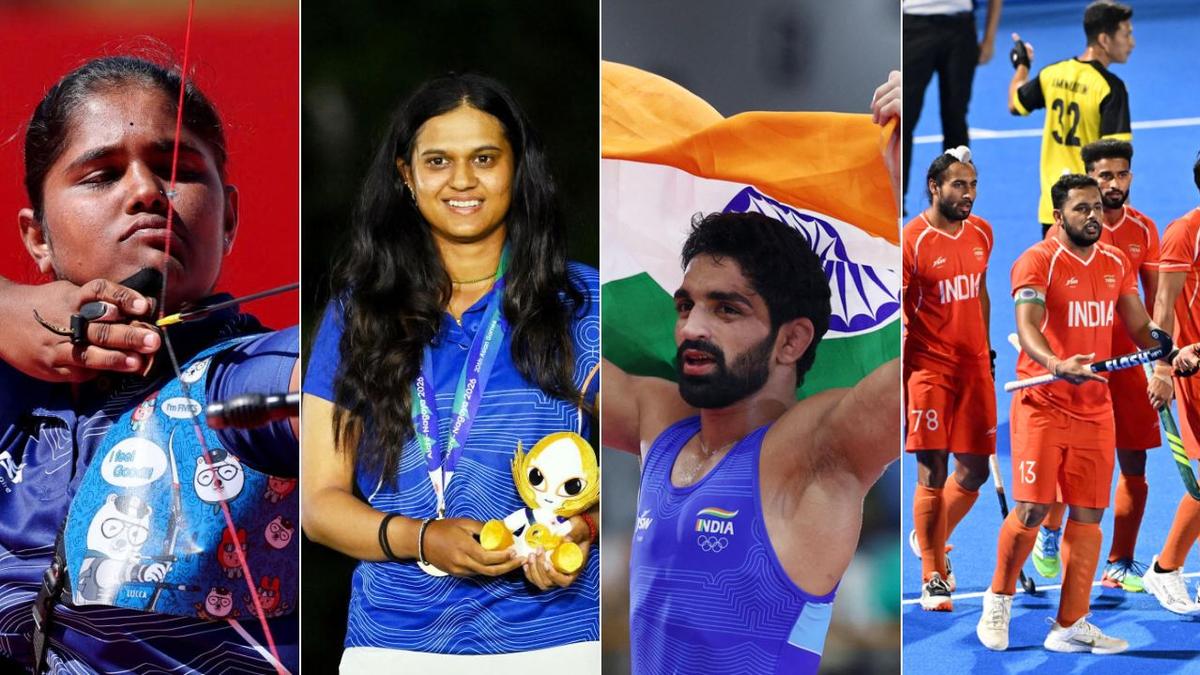
India Achieves Fourth Place at Asian Games 2026 Through Late Success