Long Covid: Breathing Difficulties Persist Four Years Post-Infection


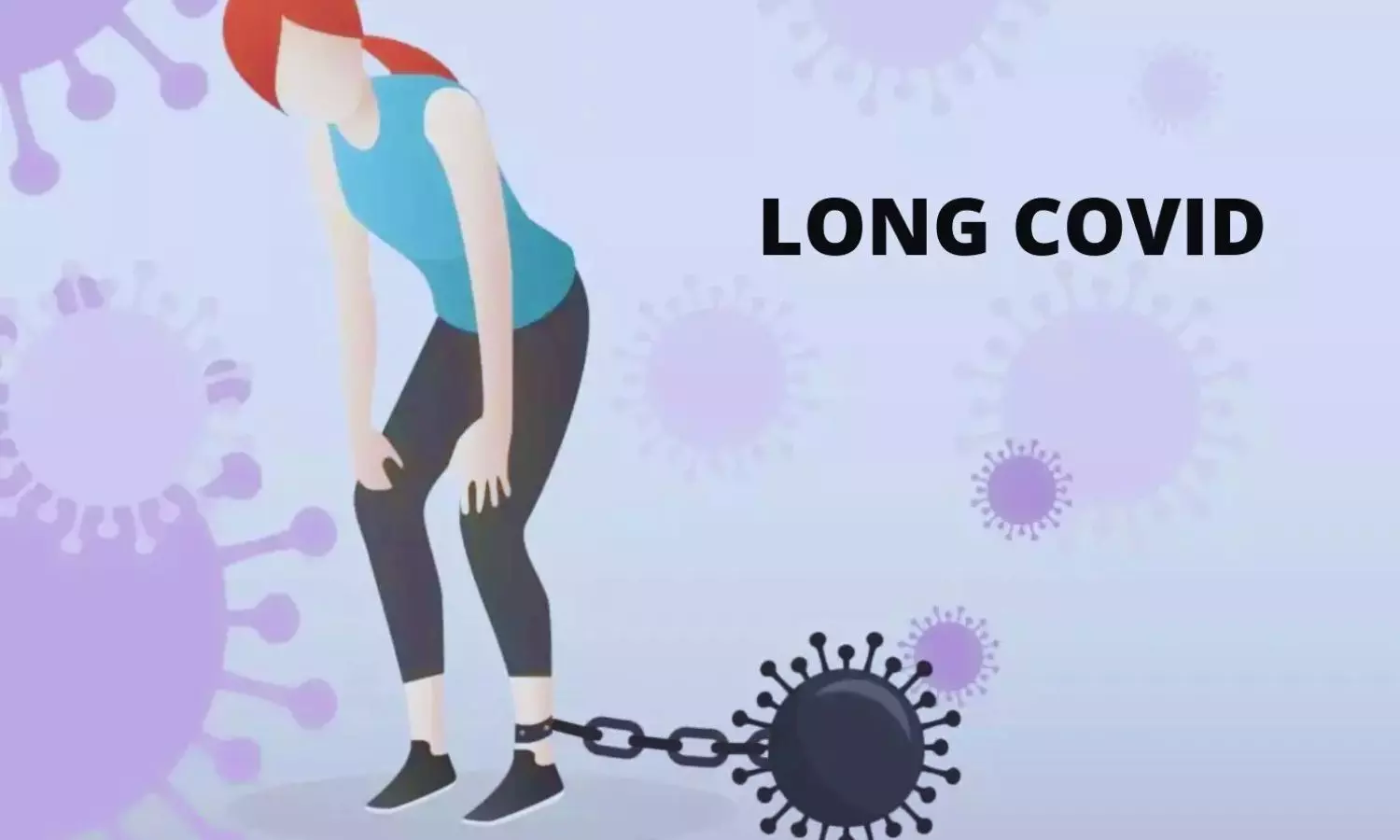
The impact of the Covid-19 pandemic can still be felt years after initial infection, with a significant number of individuals continuing to suffer from respiratory issues. A study published in the journal Respiratory Research has revealed that approximately 50 per cent of patients diagnosed with long Covid report experiencing difficulties in breathing four years after their initial illness.
Long Covid, also known as post-Covid-19 condition as defined by the World Health Organisation (WHO), encompasses a range of persistent symptoms, including chest tightness, coughing, chest pain, headaches, and notable breathing difficulties. These symptoms can affect individuals irrespective of factors such as gender, age, severity of the initial infection, or overall health status prior to infection.
Researchers at the Karolinska University Hospital in Stockholm, Sweden, conducted an analysis involving 288 participants diagnosed with long Covid. They employed a 16-question survey, known as the Nijmegen Questionnaire (NQ), designed to identify symptoms indicative of dysfunctional breathing. A score of 23 or higher on this questionnaire indicated frequent respiratory concerns.
Dysfunctional breathing is characterised by altered breathing patterns that may occur independently or in conjunction with underlying cardiological or neurological conditions. According to the research findings, individuals who were not hospitalised during their initial Covid-19 infection were six times more likely to develop long-term breathing difficulties compared to those who were hospitalised.
Additional factors that increased the likelihood of experiencing long-term respiratory symptoms included being younger, experiencing greater shortness of breath during the acute phase of infection, and having a slightly lower measurement of air exhaled in one second (FEV₁) at the baseline assessment.
When participants returned for a clinic visit about 11 months following their initial infection, standard breathing tests showed relatively similar results across groups. However, four years later, those suffering from long Covid symptoms reported shorter walking distances and weaker inhalation muscle strength.
Notably, 38 per cent of individuals with elevated breathing scores also reported symptoms consistent with postural orthostatic tachycardia syndrome (POTS), a condition characterised by a significant increase in heart rate upon standing. These individuals also tended to report a greater number of long Covid symptoms, poorer mood and depression scores, and higher rates of illness overall.

Study Links Elevated Blood Sugar in Young Adults to Cognitive Decline

Affordable HIV Prevention Injection Launches in Africa

Understanding Chronic Obstructive Pulmonary Disease (COPD)
Long COVID: Breathing Issues Remain Four Years After Infection