Understanding Chronic Obstructive Pulmonary Disease (COPD)


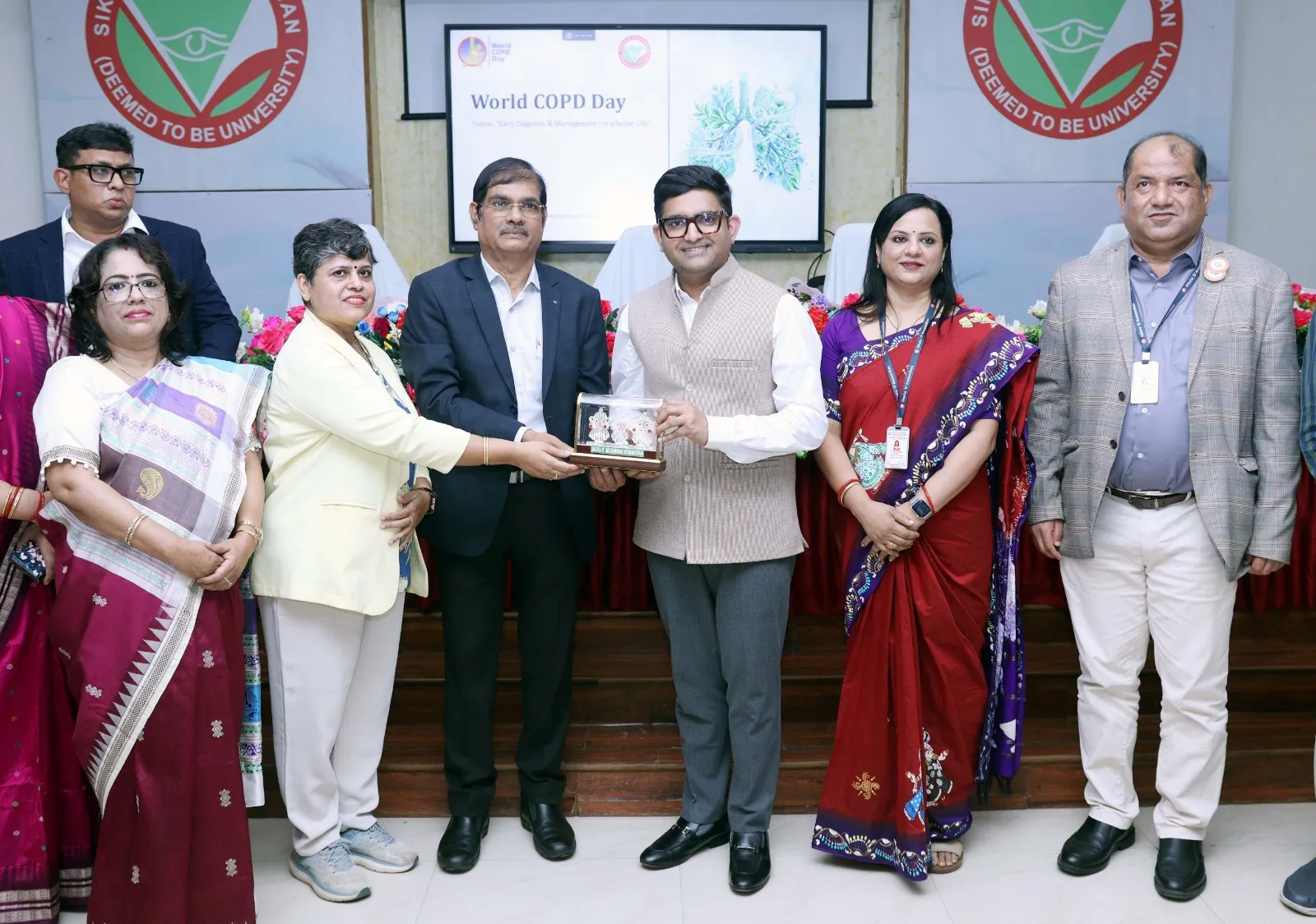
Chronic Obstructive Pulmonary Disease (COPD) is a progressive lung disease characterised by difficulty breathing, cough, and mucus production. It primarily includes two conditions: chronic bronchitis and emphysema. Both conditions cause airflow blockage and breathing-related problems.
Symptoms of COPD vary but often include a persistent cough, wheezing, and shortness of breath, particularly during physical activities. In later stages, individuals may experience more severe symptoms that can significantly impact their quality of life.
The primary cause of COPD is long-term exposure to irritating gases and particulates, most commonly from cigarette smoke. Air pollution, dust, and chemical fumes may also contribute. Genetics can play a role, particularly in individuals with a deficiency of a protein called alpha-1 antitrypsin, which protects the lungs.
Management of COPD typically involves lifestyle changes, such as quitting smoking, and can include medication, pulmonary rehabilitation, and oxygen therapy. In advanced cases, surgical options might be considered, such as lung volume reduction surgery or a lung transplant.
According to the World Health Organization (WHO), COPD is a leading cause of morbidity and mortality globally, affecting millions of individuals. Early diagnosis and intervention are crucial in managing the disease effectively and improving patient outcomes.
Healthcare providers may recommend a variety of medications, including bronchodilators and steroids, to relieve symptoms and prevent flare-ups. Regular monitoring and follow-up are essential for tailored treatment plans to be effective.
In summary, COPD is a serious health concern necessitating awareness and proactive management strategies. Collaboration between patients and healthcare professionals is key to managing this chronic condition and enhancing quality of life.
Long COVID: Breathing Issues Remain Four Years After Infection

Mizoram Sees Decrease in New HIV Infections, Reports Official

Ebola Death Toll in Democratic Republic of Congo Underreported

ICMR Survey Reveals Decline in Anaemia Prevalence Across India