Key Considerations When Purchasing an Induction Cooktop


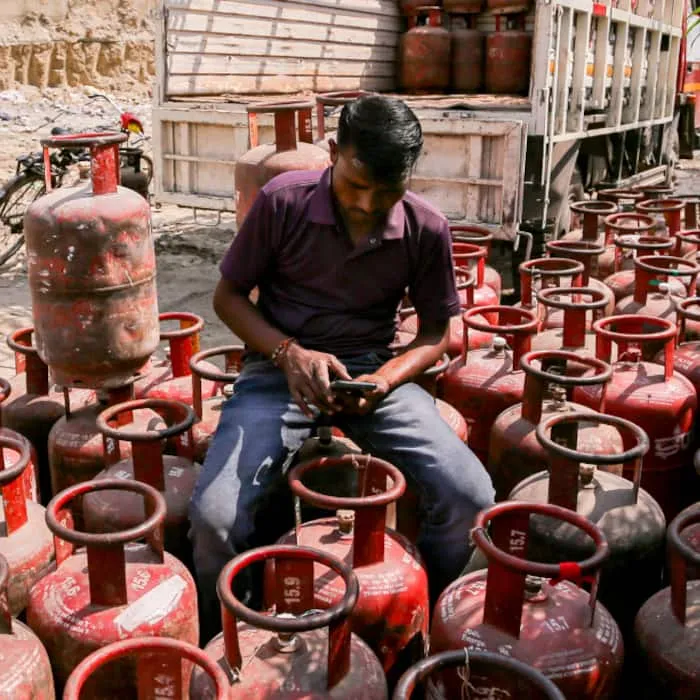
As the shortage of liquefied petroleum gas (LPG) continues, many individuals are turning to induction cooktops as an alternative cooking solution. However, making an informed purchase requires avoiding several common pitfalls.
Firstly, it is crucial to prioritise safety features. Many induction cooktops come equipped with an automatic shut-off function that turns off the unit when it overheats, if no pan is detected, or if it remains on for extended periods. Ignoring this feature could lead to burnt food, damaged cookware, increased electricity costs, and potential kitchen accidents.
Another important aspect to consider is the power rating, which is measured in watts. The wattage directly impacts how quickly and effectively the cooktop heats cookware. Lower wattage models may prolong cooking times and generally lack the performance needed for heavier cooking tasks. It is advisable to select a cooktop that aligns with your typical culinary requirements.
Cost is often a significant factor in decisions; however, opting for the least expensive model can be detrimental. The cheapest options may skimp on quality and durability, potentially sacrificing essential safety features that can protect users in the long run.
While some cooktops feature pre-set cooking modes named after specific dishes, these settings do not guarantee improved cooking results. Buyers should focus on key specifications such as power rating, safety, and overall durability rather than promotional claims.
In addition, careful measurement of available space is vital. Choosing a cooktop that is too large can clutter your kitchen space, while a smaller unit may not adequately support larger pots and pans.
Lastly, many induction cooktops feature touch controls, which can be difficult to use when hands are wet. Therefore, opting for models with physical buttons could enhance user experience and ease of use.
In summary, informed purchasing decisions when selecting an induction cooktop can ultimately enhance cooking efficiency and safety in the kitchen. Taking the time to evaluate essential features, measurement requirements, and potential pitfalls can make a significant difference in cooking experiences as people adapt to new methods over traditional LPG using devices.

Social Media Celebrates Mumbai Pilot Captain Smit Machchhar

Flydubai Co-Pilot's Iran Allegations Involve Trump and Netanyahu

France's Student Protests Escalate into Nationwide Unrest

Mamata Banerjee Criticises Election Chief Over Poll Irregularities