Israeli Election Results Revealed: No Party Achieves Majority


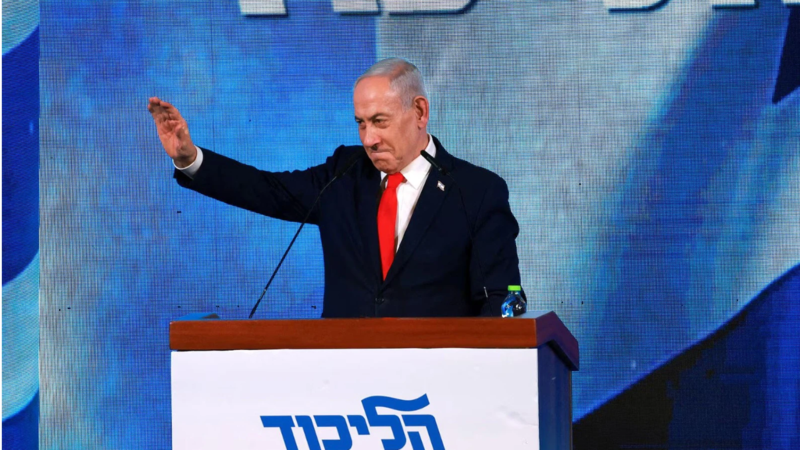
The final results from Israel's elections have confirmed that no political faction has secured the 61 seats necessary for an overall majority in the Knesset, Israel’s parliament. The results indicate that Prime Minister Benjamin Netanyahu’s political bloc has acquired 53 seats, while the opposition, led by Gadi Eisenkot, has obtained 48 seats. Additionally, Arab parties collectively hold 19 seats, leaving all major groups short of a governing majority.
The official announcement follows the completion of ballot counting and emerges as a significant point of contention amid ongoing tensions. The elections, held against the backdrop of the recent October 7 attacks and subsequent conflict involving Gaza, are perceived by many analysts as a referendum on Netanyahu's leadership.
Eisenkot, a former military leader, has initiated a series of meetings with opposition figures to explore the formation of a new coalition government. He met with Naftali Bennett, former Prime Minister and leader of the Together party, to discuss ways to establish a government expeditiously. Furthermore, Eisenkot has held discussions with Yair Golan, chairman of the Democrats party, the only member of the opposition alliance open to collaborating with Arab-led parties.
In a statement after the meeting with Mansour Abbas, leader of the United Arab List (Ra’am), Golan expressed urgency, stating, “This is a time for action. Our responsibility is not to miss the opportunity for change and the salvation of Israel.”
While coalition-building plans are underway, Eisenkot faces considerable challenges. His public commitment to exclude alliances with Arab-led parties has raised questions about the viability of creating a governing coalition when none of the blocs has a clear majority. Al Jazeera’s correspondent, Nour Odeh, noted that Eisenkot’s path forward appears complicated, highlighting that without Arab support, the opposition struggles to achieve governance.
Netanyahu’s Likud party has faced backlash regarding unfounded allegations of vote rigging against Arab parties, claims described by opposition figures as attempts to delegitimise the election process. Noam Sohlberg, head of the Central Elections Committee, confirmed that he received allegations concerning possible foreign interference in the elections, although he stated that there was no substantial evidence to support these claims.
Eisenkot condemned Netanyahu for seeking to undermine the electoral results, emphasising that the public has demonstrated a clear rejection of his government. In a message posted on social media, he asserted, “The days of Netanyahu using state institutions against Israeli interests for his personal needs are over.” Political analysts suggest that despite the existing divisions, there may be opportunities for the opposition to collaborate, especially in discussions surrounding the election of a new Knesset speaker, which could affect the political balance within parliament.
As the Central Elections Committee moves towards certifying the election results, anticipated coalition negotiations will continue, with all eyes on how the political landscape evolves amid these unprecedented electoral dynamics.

Alert Issued in India Following Lake Outburst in Bhutan

Disha Patani Launches Clothing Brand DZ with Space-Inspired Designs

Brisbane Heat Women Face Sydney Sixers Women in WBBL 2026 Clash

Serbia's Student Movement Calls for Resignations of Officials