Israel Recognises Somaliland, Sparking Diplomatic Controversy


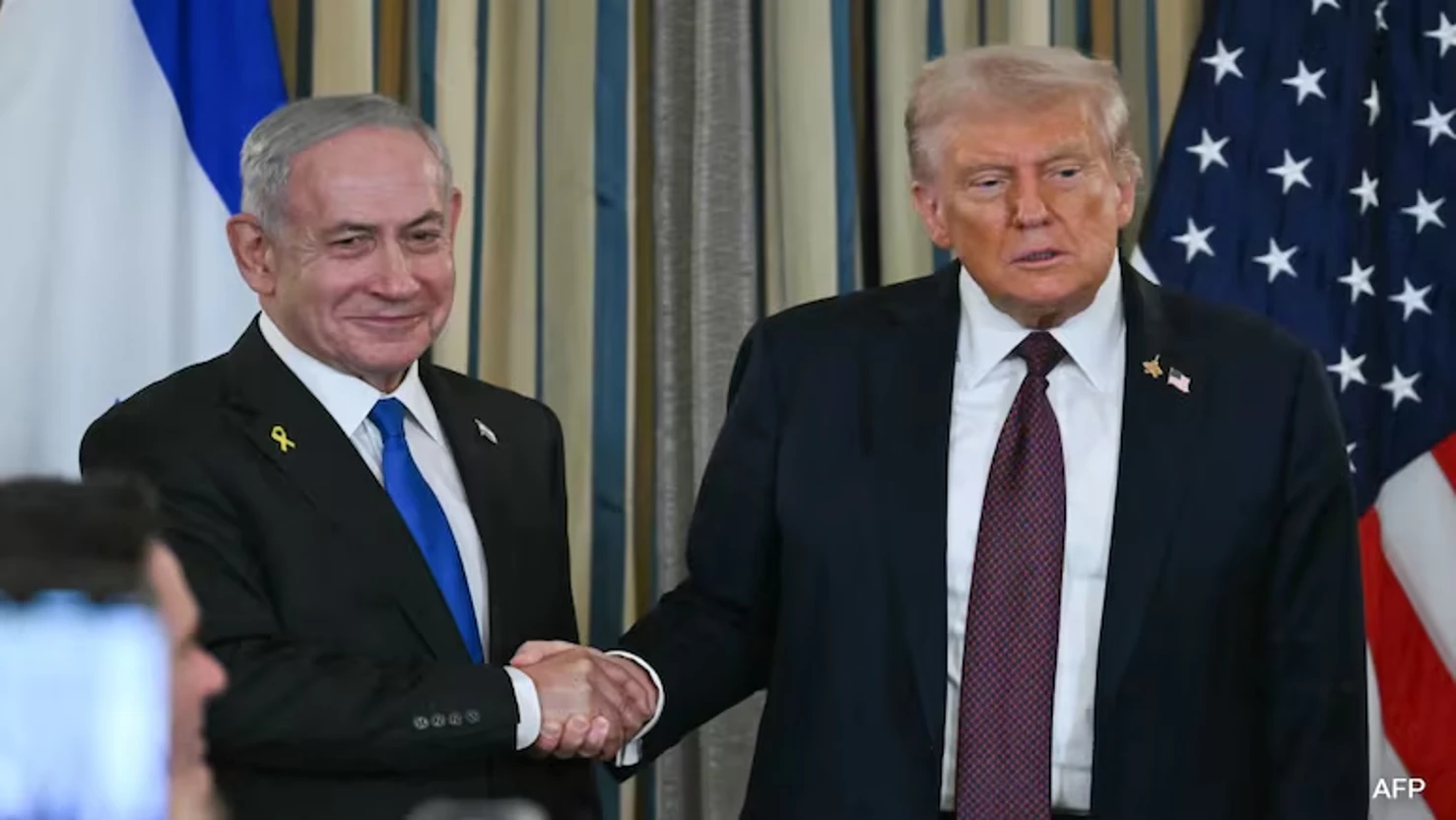
Israel has formally recognised Somaliland as an independent entity, a decision that has prompted significant diplomatic backlash from various nations across Africa and the Middle East. This recognition marks Israel as the first country to extend official recognition to Somaliland, which has declared independence from Somalia since 1991 but remains largely unacknowledged on the international stage.
Somaliland, located in the northern region of Somalia, functions as a de facto state with its own government and institutions, despite not being recognised by Somalia, the United Nations, or any major global power. The government of Somalia has condemned Israel's recognition, labelling it a "deliberate attack" on its sovereignty. Following Israel's announcement, the African Union swiftly rejected the move, asserting that Somaliland is an integral part of Somalia and warning that such recognition could lead to instability across the continent.
Turkey and Egypt have also expressed disapproval, with Egypt cautioning against the creation of "parallel entities" that may threaten regional stability. In contrast, Israeli Prime Minister Benjamin Netanyahu framed the decision as a strategic realignment, linking it to the broader context of the Abraham Accords—normalisation agreements that were established during the presidency of Donald Trump.
Abdirahman Mohamed Abdullahi, the President of Somaliland, described Israel's recognition as a "historic moment" and expressed his willingness to join the Abraham Accords, identifying Israel as a potential strategic partner. Celebrations erupted in Hargeisa, Somaliland's capital, where crowds waved flags representing the unrecognised republic.
Former President Donald Trump dismissed the possibility of US recognition of Somaliland, questioning the knowledge of its existence among the public. Reports indicate that the Biden administration is divided on the issue, concerned that recognition might jeopardise military cooperation with Somalia, where US forces assist in combatting the militant group al-Shabaab.
The significance of Israel's recognition lies in its regional security considerations. Analysts at the Institute for National Security Studies suggest that Israel is seeking allies in the Red Sea region, particularly in light of potential confrontations with the Iran-backed Houthi movement in Yemen. Following the outbreak of the Gaza conflict in October 2023, Israel has conducted strikes against Houthi targets in Yemen in response to attacks claimed by the group.
Somaliland, despite its autonomy, has faced challenges due to its lack of international recognition, hampering its ability to secure loans, foreign aid, and investment. Tensions have escalated following Ethiopia's agreement to lease a portion of Somaliland's coastline for a port and military base, a move that has provoked anger from Somalia.
The Somali government continues to reject Somaliland's quest for independence and has denounced unilateral efforts by Hargeisa to forge international agreements. However, Somaliland argues that it is exercising its rights following the collapse of the Somali state in 1991. In December 2023, Somalia indicated a willingness to engage in dialogue with Somaliland, facilitated by Djibouti. However, Somaliland subsequently announced a provisional agreement with Ethiopia that granted access to the port of Berbera, prompting Somalia to label the action an illegal act of aggression.
The roots of the Somaliland issue can be traced back to the violent disintegration of Somalia in the late 1980s. Following the ousting of the Siad Barre regime in 1991, Somaliland declared independence while Somalia descended into chaos and civil war. Over the years, Somaliland has managed to establish functional governance and stability, contrasting sharply with the conditions in southern Somalia, where the rise of violent extremism has led to widespread displacement and humanitarian crises.
Geographically, Somaliland occupies a strategic location on the Gulf of Aden, a critical maritime passage that connects the Indian Ocean to the Red Sea. This region is vital for global trade, with approximately 10-12% of the world's seaborne trade transiting through it. The Bab el-Mandeb Strait at the western end of the Gulf serves as a crucial chokepoint, where any disruption can significantly impact global shipping routes.
The Gulf of Aden has also experienced escalated tensions, particularly from Houthi attacks on commercial vessels, which are framed as responses to the conflict in Gaza. These incidents have compelled shipping companies to reroute their vessels away from the Red Sea, resulting in increased costs and transit times, highlighting the complex interplay of regional security and international trade dynamics.
BJP Allies Urge Election Commission to Address Public Concerns
Thousands of Ganesh Idols Immersed in Telangana Festivities
Jaishankar Calls Attacks on Civilian Shipping ‘Indefensible’
Indian Prime Minister Urges Integration of Social Reforms in Governance