Iran's Use of Militant Groups in Suppressing Protests Raises Concerns


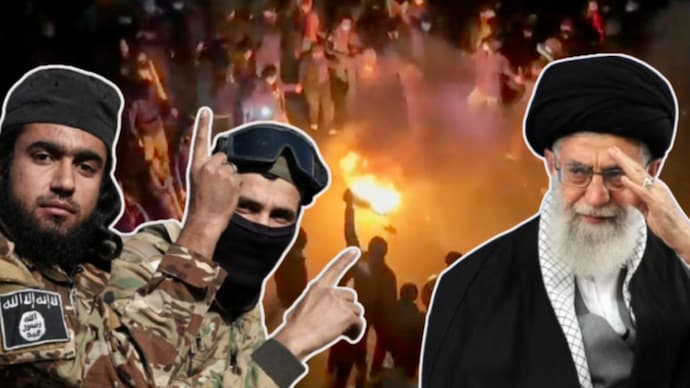
In recent weeks, concerns have escalated regarding the Iranian government's method of quelling dissent during nationwide protests. Reports indicate that Iranian authorities may be using Arabic-speaking Iraqi militias to carry out violent crackdowns on demonstrators. These developments have alarmed human rights advocates and the international community, prompting demands for accountability.
Iraqi official Ali D, stationed at the Iran-Iraq border, recounted an unusual occurrence last week. A bus approached his checkpoint, described as transporting Shia pilgrims to Iran. However, upon inspection, the passengers did not fit the typical profile of pilgrims, as they were predominantly young men clad in identical black T-shirts. This led Ali D to suspect that these buses were not carrying religious devotees as claimed. He reported to the American outlet The Media Line that by January 11, approximately 60 similar buses had crossed the border, raising suspicions about their true intent.
This report aligns with previous indications that Iran's leadership has been intensifying its crackdown on protests following allegations of governmental corruption, economic mismanagement, and widespread grievances among the population. In response to the protests, the judiciary in Iran has announced plans for expedited trials and swift executions for those arrested, intensifying fears of human rights abuses amid the ongoing unrest.
The Iranian leadership, including Supreme Leader Ayatollah Ali Khamenei, faces immense pressure both domestically and internationally as the demonstrations continue. Authorities have reportedly sought assistance from external militant groups, notably the Hezbollah movement and other Shia militias, to reinforce their efforts against the dissenting population. The use of such groups raises significant concerns about potential violations of human rights and the rule of law.
Negotiations regarding Iran's international relations have also become increasingly strained in light of these developments. The U.S. government has issued warnings of potential military action in response to Iran's handling of the protests, statements which have not gone unnoticed in Tehran.
Irrespective of these threats, the protests show no signs of abating, as many Iranians continue to demand political reform and accountability from their leaders. The intertwined suppression of dissent by both Iranian forces and foreign militias highlights the complexities of the situation and the potential for further violence.
These events underline a broader narrative of discontent in the region, as numerous countries grapple with how to handle internal strife amid external pressures. Activists and numerous international bodies continue to call for investigations and sanctions against those involved in the suppression of protests, signalling that the aftermath of these actions may resonate well beyond Iran's borders.
Kerala Initiates Probe into 2006 Suicide Case Involving CEC
Extradition of Sheikh Hasina Feasible, Says Indian High Commissioner

Punjabi Makeup Artist Mad Sandhu Shot Dead in Amritsar
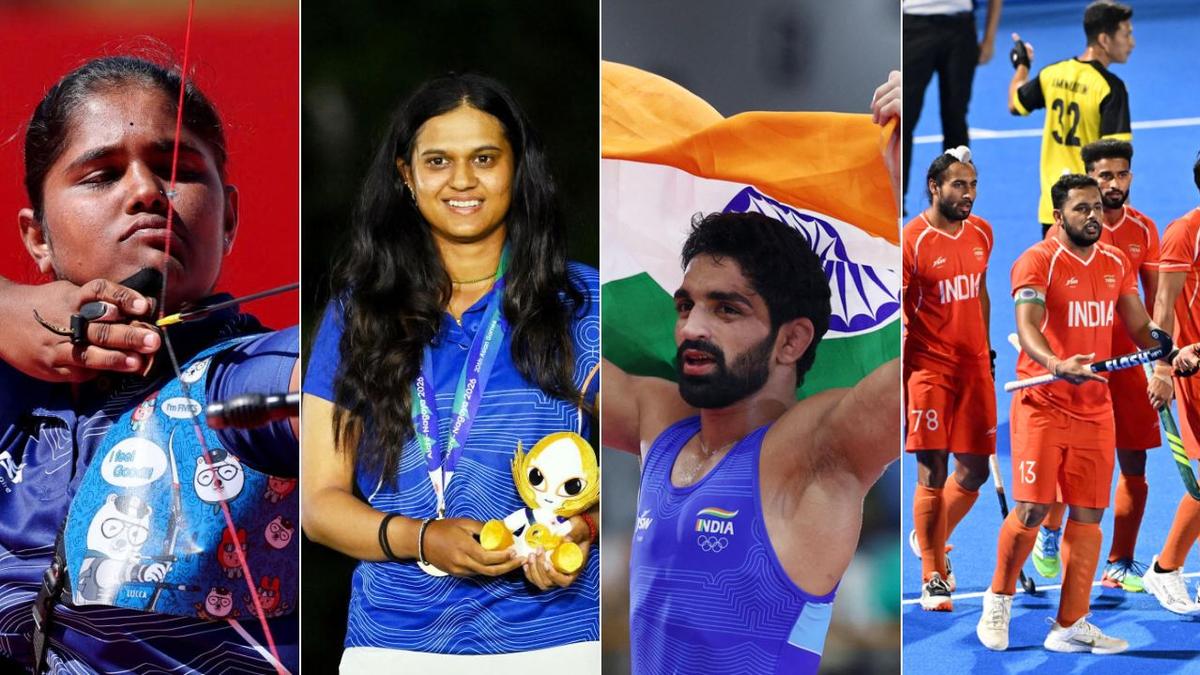
India Achieves Fourth Place at Asian Games 2026 Through Late Success