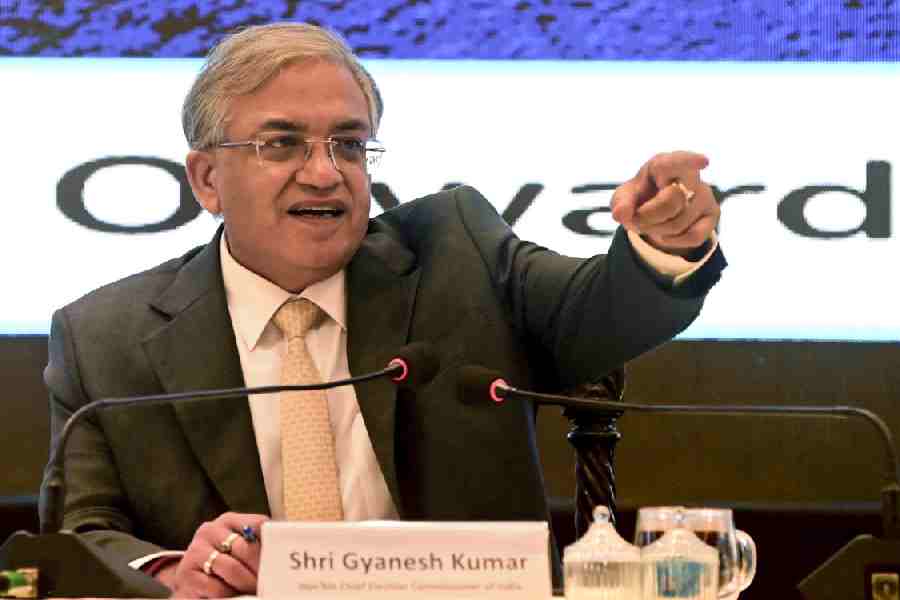
Iran's Khamenei Stays Firm Against US Amid Nuclear Negotiations


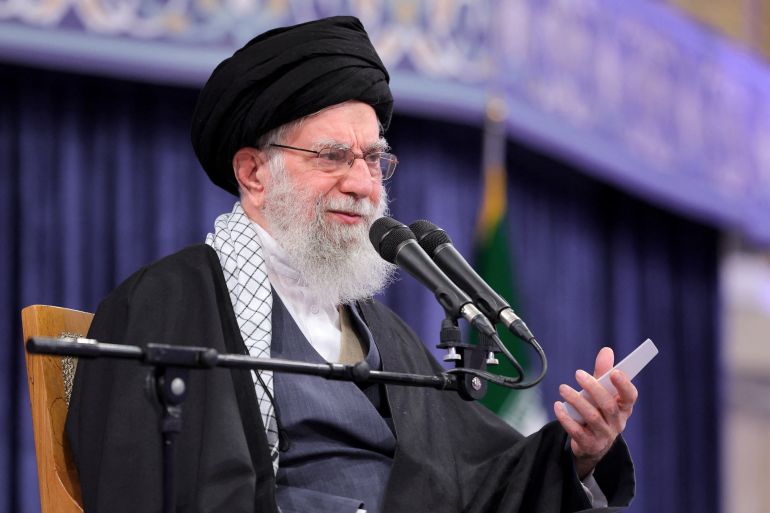
Iran's Supreme Leader, Ayatollah Ali Khamenei, has reiterated his tough rhetoric towards the United States, diminishing hopes for a positive outcome from ongoing nuclear negotiations. Despite Iranian Foreign Minister Abbas Araghchi stating that some foundational principles for a deal have been established, Khamenei's comments signal significant obstacles remain.
During a public address, Khamenei remarked on US President Donald Trump's assertion that regime change in Iran would be beneficial. He stated, "This is a good confession. You will not be able to do this either," referring to the US’s historical attempts to destabilise the Islamic Republic since its establishment in 1979.
Khamenei illustrated his points with references to historical religious figures, emphasising that Iran will not yield to what he views as the corruption inherent in US leadership. He commented on the negotiations surrounding Iran’s nuclear energy programme, questioning the fairness of demands that would require Iran to cease uranium enrichment entirely. According to him, "If any real negotiations were to take place, they cannot be predicated on any 'foolish' demand that Iran move to zero enrichment of uranium."
These remarks came shortly before Foreign Minister Abbas Araghchi provided an update on indirect talks with the US in Geneva, which were mediated by Oman. Araghchi conveyed optimism following discussions that he described as serious, with a constructive atmosphere resulting in preliminary agreements.
In parallel talks involving US representatives, expectations for successful negotiations remain tempered. With Washington simultaneously engaging in discussions with Ukraine and Russia, the environment is strained. The US demands that Tehran limit uranium enrichment and submit its stockpiles of highly enriched uranium, which have been reported to be buried under debris from US air strikes earlier. These conditions have been met with resistance from Iran, which cites them as crossing "red lines".
Iran's negotiating team has sought to navigate these demands, suggesting the dilution of uranium and exploring potential economic incentives that might facilitate an agreement. Deputy Foreign Minister Hamid Ghanbari indicated that the US might need to consider quicker economic arrangements that could involve energy sales or joint ventures in oil and gas. However, discrepancies in negotiation positions pose challenges to any potential agreements moving forward.
Meanwhile, the situation in Iran continues to evolve, with the country’s currency depreciating significantly against the dollar. Following the recent indirect talks, one US dollar equated to approximately 1.63 million Iranian rials, nearing a historical low. Analysts caution that the rapid conclusion of discussions raises questions about the viability and readiness for substantial talks, particularly in complex and sensitive areas such as nuclear policy.
Ali Vaez from the International Crisis Group expressed scepticism regarding the rapidity of the Geneva talks. He noted that negotiations traditionally require extensive dialogue, stating, "These talks usually require a lot of patience, a lot of focus, a lot of back and forth, a lot of discussions with experts."
In conjunction with the diplomatic efforts, Iran has bolstered its military presence in response to US activities in the region, which include deploying additional military resources. Khamenei has issued warnings about Iran's capabilities, asserting that their armed forces are well-prepared, underscoring the complex and potentially volatile nature of these ongoing negotiations.
With calls for stability amidst the geopolitical tensions, it remains to be seen how these developments will influence the future of US-Iran relations and the prospect for a renewed nuclear agreement.

Social Media Celebrates Mumbai Pilot Captain Smit Machchhar

Flydubai Co-Pilot's Iran Allegations Involve Trump and Netanyahu
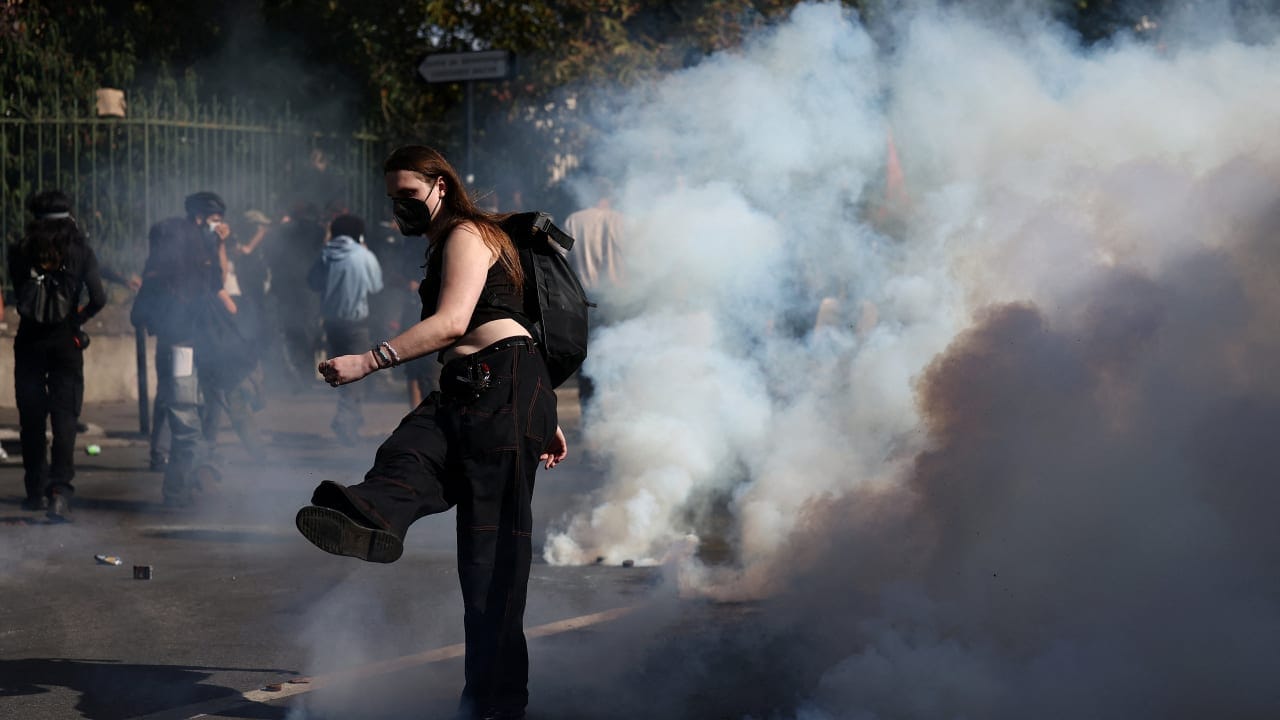
France's Student Protests Escalate into Nationwide Unrest
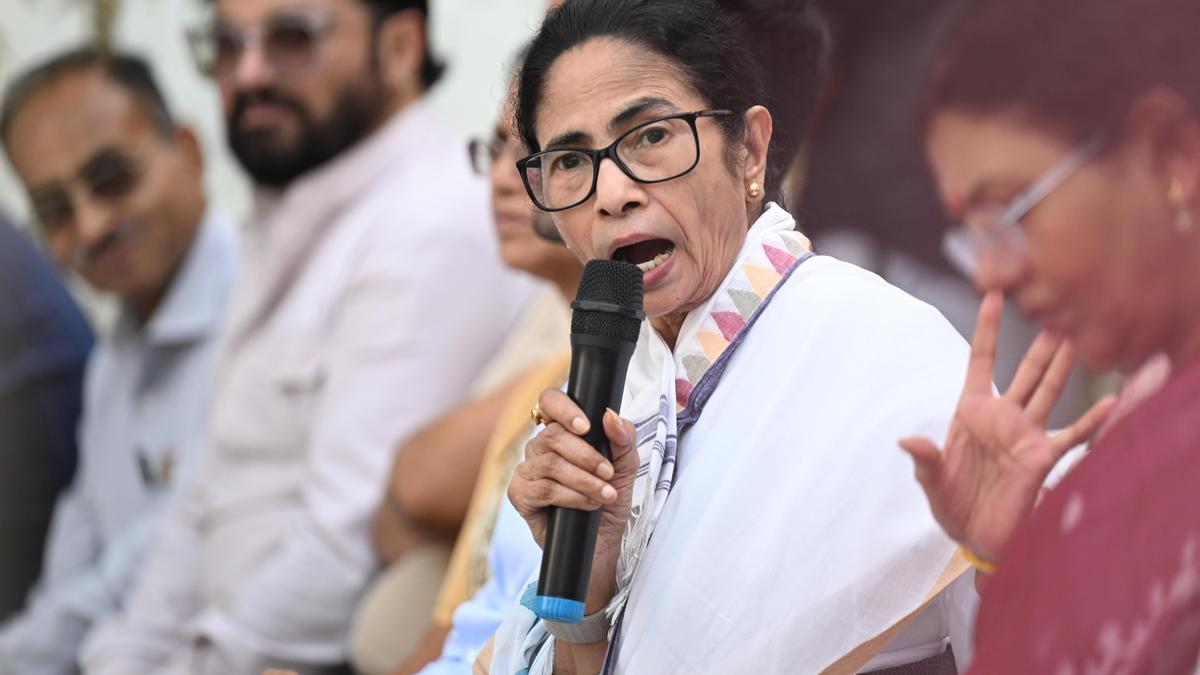
Mamata Banerjee Criticises Election Chief Over Poll Irregularities