Iran's Khamenei Issues Stark Warning Over US Military Presence


Iran's Supreme Leader Ayatollah Ali Khamenei issued a stark warning regarding the presence of a US warship in the Gulf, stating that it could be sunk as tensions escalate amid ongoing nuclear negotiations between Iran and the United States. In a speech delivered on February 17, 2026, Khamenei underscored the inherent dangers of the warship while suggesting that the true threat lies in the capabilities that could render such vessels ineffective.
The remarks came as the US and Iran began their second round of talks in Geneva, aimed at addressing Iran’s contentious nuclear programme. As part of these negotiations, Iranian Foreign Minister Abbas Araghchi has outlined that discussions will exclusively centre on nuclear issues and will not delve into Iran's internal affairs, despite the country facing international scrutiny over its recent crackdown on protests.
Khamenei was particularly critical of US intentions, implying that they would not be successful in their objectives regarding Iran. “In one of his recent speeches, the US president said that for 47 years America has not succeeded in destroying the Islamic republic... I tell you: you will not succeed either,” he noted, casting doubt on the effectiveness of ongoing diplomatic efforts.
This dialogue follows a period of increased military presence in the region, including the deployment of an aircraft carrier group by the United States after unrest in Iran prompted concerns about stability. Khamenei’s comments reflect both a warning to Washington and a reinforcement of Iran's sovereignty and resilience.
US Secretary of State Marco Rubio, addressing the negotiations, expressed cautious optimism, stating, “The President always prefers peaceful outcomes and negotiated outcomes to things.” Meanwhile, direct engagement with US officials continues, while Iran maintains that its right to enrich uranium remains non-negotiable.
As negotiations progress, it remains to be seen whether diplomatic efforts will yield a resolution or if military tensions will escalate further, particularly given Khamenei's warnings regarding military actions. The situation continues to be closely monitored by international observers, as both parties hold firm to their respective stances on the nuclear programme and regional security.
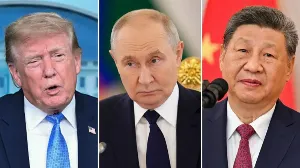
Trump, Putin, and Xi to Meet at APEC Summit in Shenzhen, China
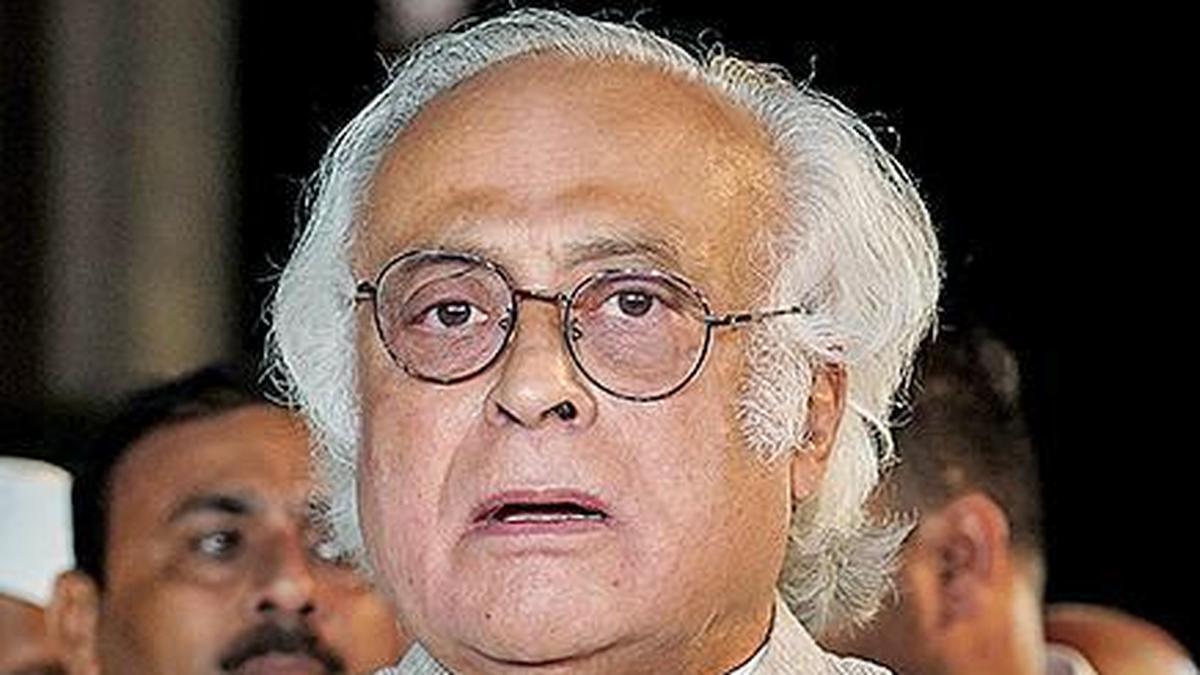
Congress Criticises Adani for Dramatic Cost Cut in Maharashtra Project

Urban Infrastructure Crucial for India's Manufacturing Growth
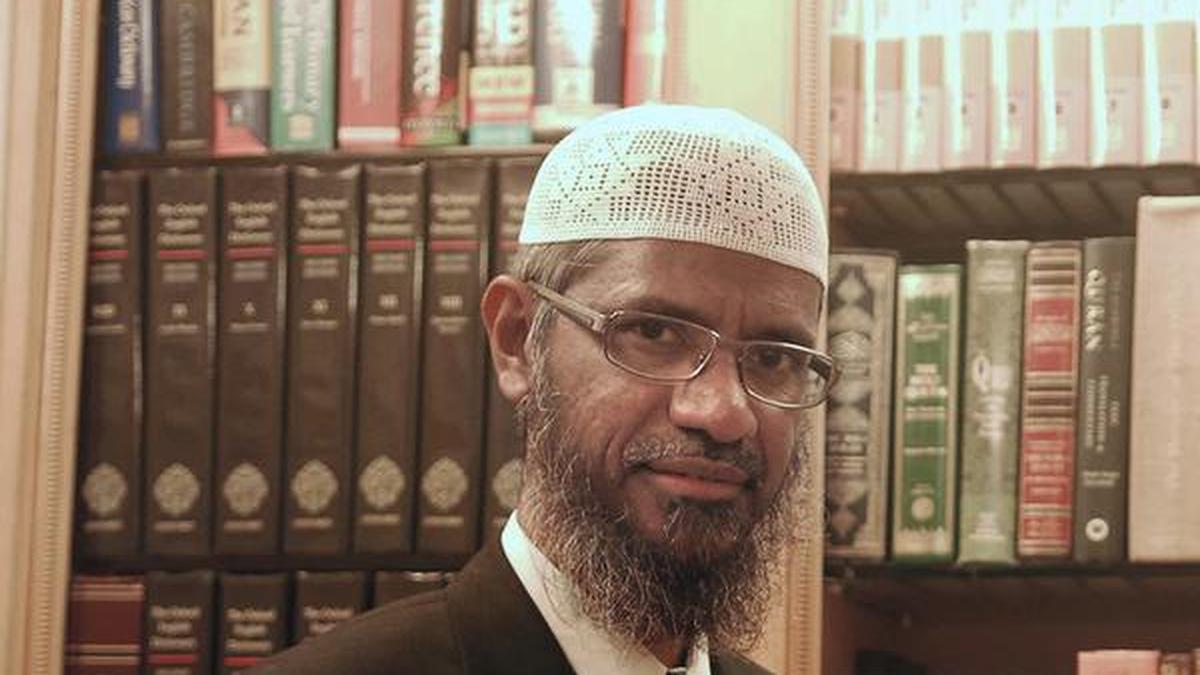
India Extends Ban on Zakir Naik's Islamic Research Foundation