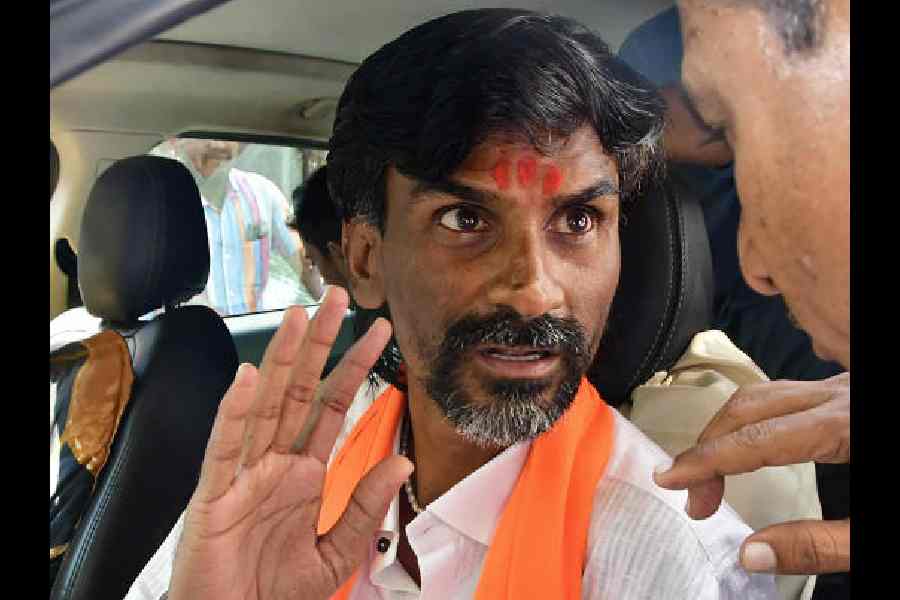
Iran to Initiate US Deal Talks Amid Ceasefire Developments


Iran announced on 16 June 2026 that negotiations with the United States concerning its nuclear programme and sanctions relief are expected to begin later this week. This announcement follows U.S. President Donald Trump’s declaration that the Strait of Hormuz would be reopened, a move that has resulted in a decline in oil prices.
Officials have stated that discussions for a final agreement will occur within a 60-day period after a memorandum of understanding is signed. This document aims to conclude nearly four months of conflict prompted by strikes on Iran by U.S. and Israeli forces.
The signing of the deal is scheduled for 19 June 2026, at the Burgenstock resort in Switzerland, as confirmed by the Swiss Foreign Ministry. Located in central Switzerland near Lucerne, this site has been chosen for its security and accessibility, as proposed by mediators from Pakistan, Qatar, the U.S., and Iran.
Fatih Birol, head of the International Energy Agency, stated that the unconditional reopening of the Strait of Hormuz is vital for alleviating the economic shock caused by high oil and gas prices globally. “The single most important solution to this problem is the fully and unconditionally opening up of the Strait of Hormuz to shipping,” he said at a press conference.
The terms of the agreement between Iran and the U.S. include the reopening of the Strait; however, Iranian officials have indicated that tolls or “service fees” may be imposed on vessels traversing this critical maritime route.
Iran’s Foreign Minister Abbas Araghchi remarked that the conclusion of the war also entails an end to Israel's occupation of parts of Lebanon. This statement was reported by Iranian state television, which shared an on-screen graphic containing the information.
Additionally, Iran has plans to establish a connection between its electricity grid and that of Qatar, with the Iranian Energy Minister announcing that studies are in the final stages and the project will soon be executed.
On the other hand, Israel has conducted airstrikes in southern Lebanon targeting rocket launchers belonging to Hezbollah, despite the ongoing negotiations and the purported agreement to ease tensions with Iran. The Israeli military confirmed interceptions of rockets aimed at its troops, leading to retaliatory actions.
As of 16 June, maritime tracking indicated a minimal level of shipping activity through the Strait of Hormuz, with only a few vessels crossing the waterway, suggesting that normal commercial operations have yet to resume. The tracking platform Kpler reported just four crossings detected that day, a rate that reflects the low traffic levels experienced prior to the announcement of the U.S.-Iran agreement.
Reza Pahlavi, the son of the former Shah of Iran, expressed opposition to any potential deal that would allow the Iranian government to remain in power. He urged the international community to support opposition efforts within Iran instead of pursuing agreements with the current regime.
Sources including Reuters and The Wall Street Journal have indicated that under the forthcoming memorandum, Iran will be permitted to start selling oil and fuel immediately. This provision will also involve the lifting of sanctions on Iranian oil sales, including support for banking, transportation, and insurance necessary for facilitating these transactions.

Bilateral Meetings and Side Conversations Mark Global Summit
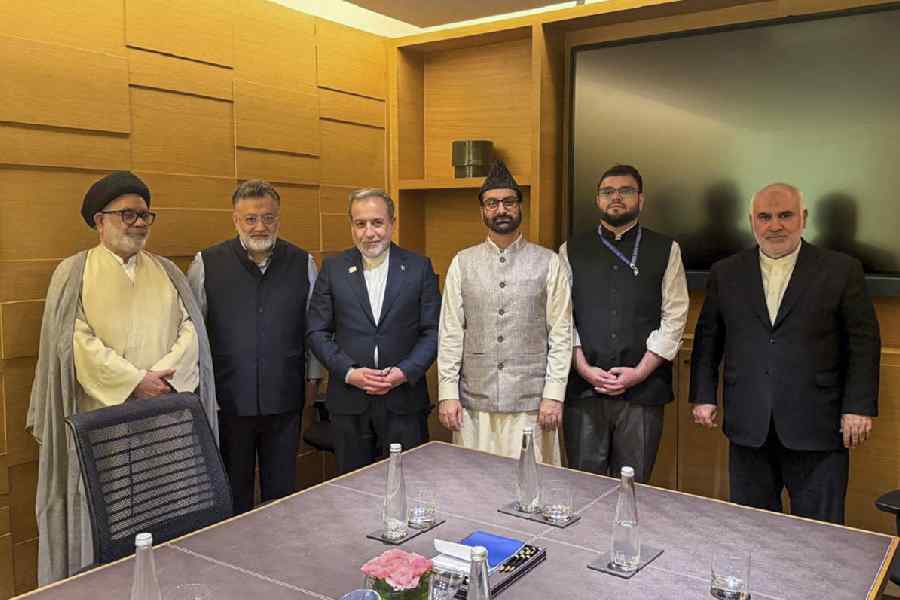
UAE and Iran Leaders Discuss Relations at BRICS Summit
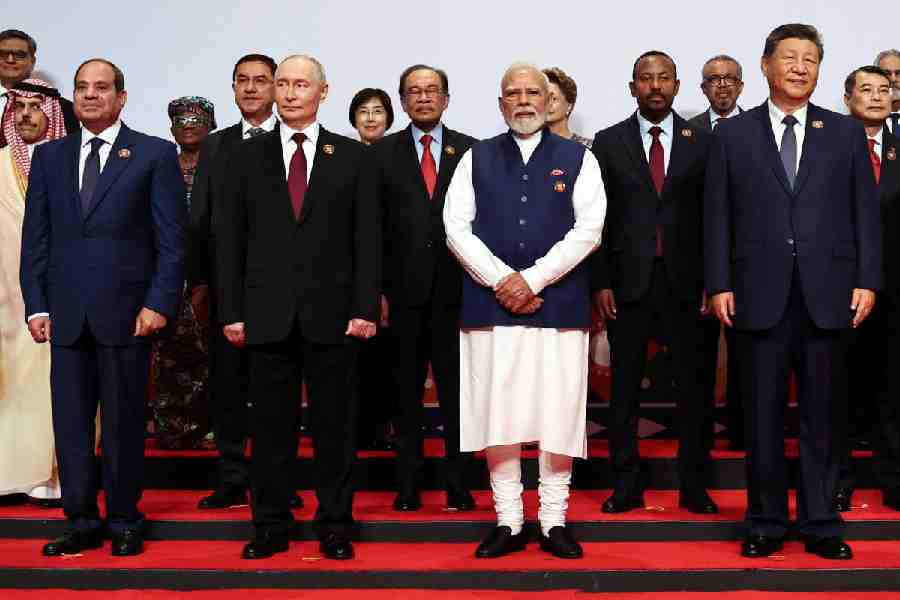
BRICS Summit Highlights Concerns Over Critical Minerals and Technology
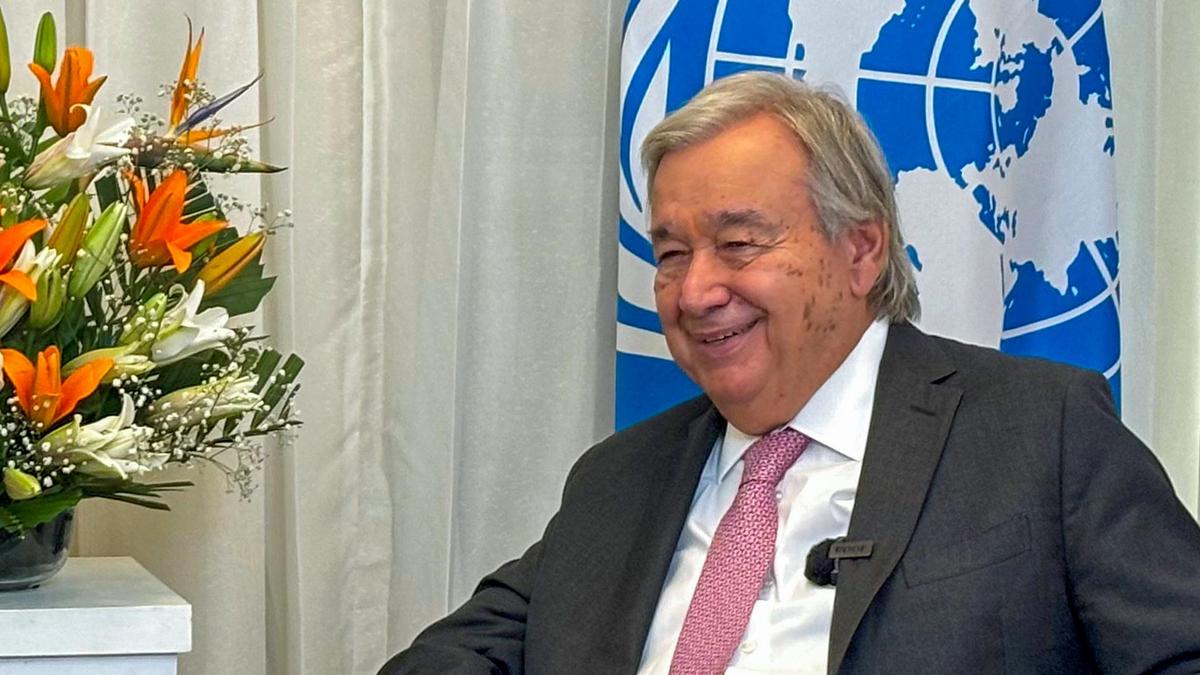
UN Secretary-General Discusses Security Council Challenges