International Concerns Surround Rohingya Crisis


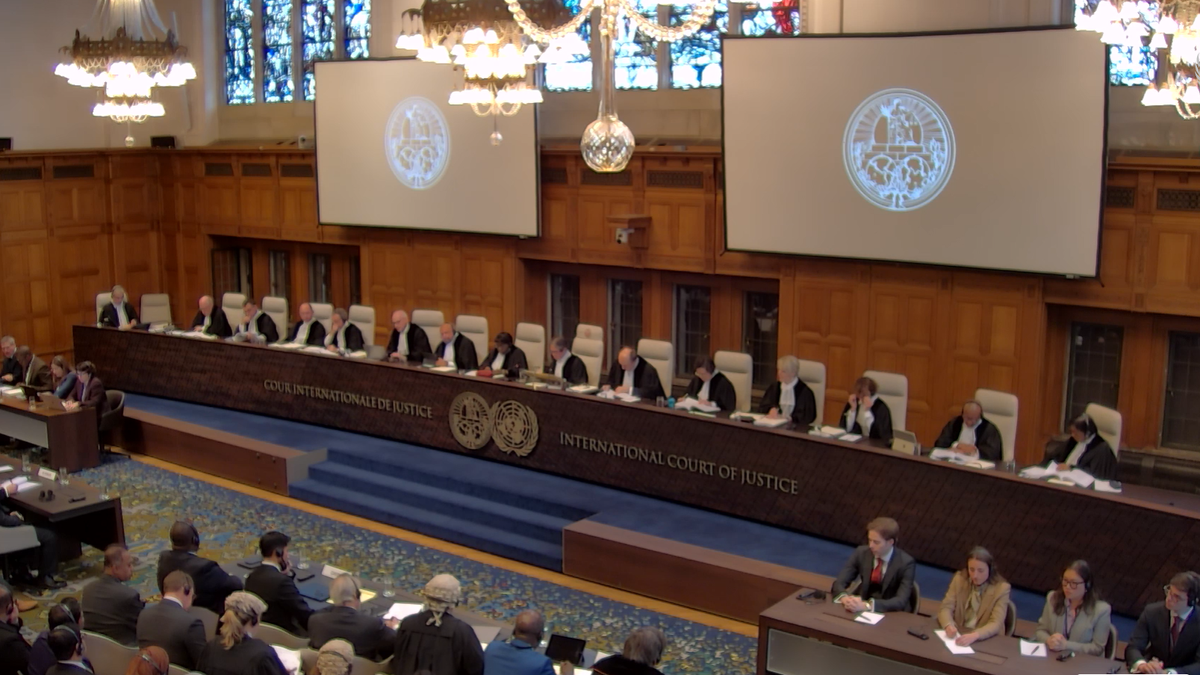
The Rohingya crisis remains a pressing issue, drawing significant international attention due to the humanitarian and legal implications for affected populations. Displaced from Myanmar, the Rohingya people have faced ongoing violence and persecution, which has led to mass migrations into neighbouring countries. This situation has generated widespread debate regarding accountability and the potential for justice in international law.
In recent years, international organisations have highlighted the urgent need for a coordinated response to the challenges faced by the Rohingya. There have been numerous calls for global solidarity to address not only the immediate humanitarian concerns but also the long-term aspirations of the Rohingya people to return home safely and with dignity.
The United Nations has been instrumental in voicing concerns related to the plight of the Rohingya. Reports from various UN bodies have documented instances of human rights violations, urging governments and international organisations to take a stand against these atrocities. The question of accountability remains a central theme, as many Rohingya individuals seek justice for the violence inflicted upon them.
International legal frameworks such as the International Court of Justice (ICJ) have been involved in addressing these issues. There are ongoing discussions regarding the potential implications of ICJ rulings on the situation in Myanmar, which could shape the future of legal accountability for the perpetrators of violence against the Rohingya.
The Rohingya situation is further complicated by geopolitical considerations, as regional allies and international stakeholders navigate complex relationships while trying to address the crisis. Potential solutions are being explored, but the question of safe, voluntary, and dignified return for the Rohingya remains unresolved.
Activists and organisations advocating for the rights of the Rohingya continue to push for reform and accountability within Myanmar. Their efforts are crucial in keeping the global community informed and engaged in finding solutions to this longstanding crisis. The path forward will require a collective response that prioritises human rights, accountability, and a commitment to ensuring that the voices of the Rohingya are heard and respected.

Cyclone Akvan Approaches Odisha with Heavy Rainfall Predicted
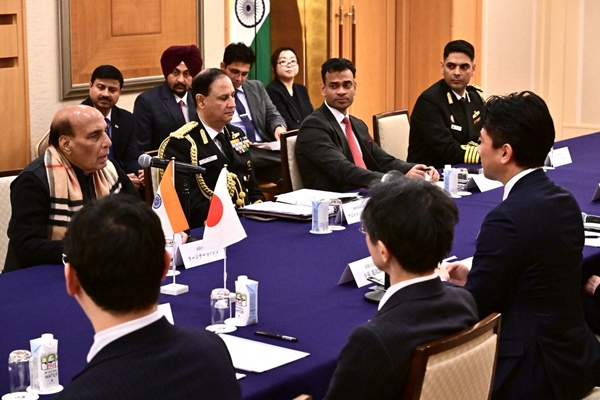
Japan to Conduct Historic Live-Fire Military Exercises in India

Pakistan Minister to Attend SCO Forum in Delhi Amid Tensions
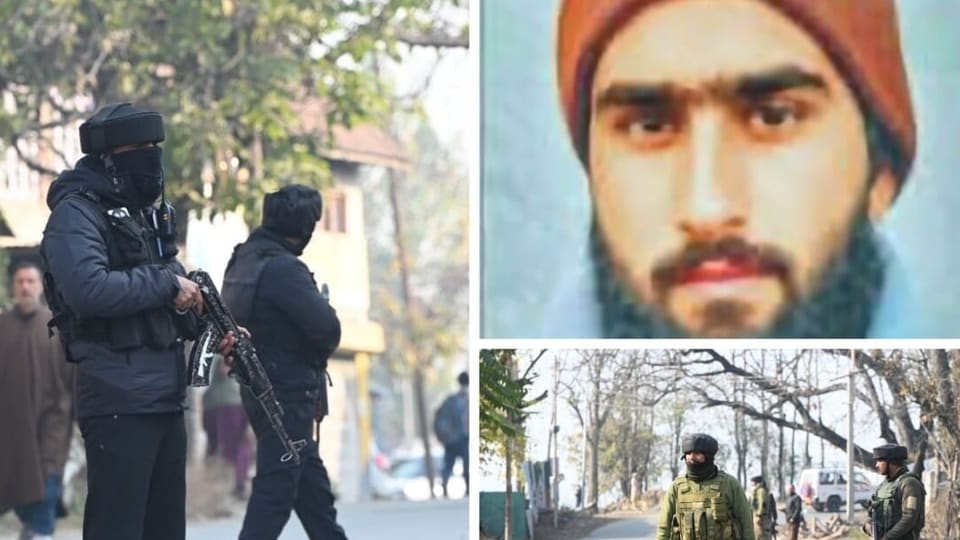
Jammu and Kashmir Police Claims Significant Drop in Terror Recruitment