Indonesia Experiences 5.7 Magnitude Quake Following Deadly Tremor


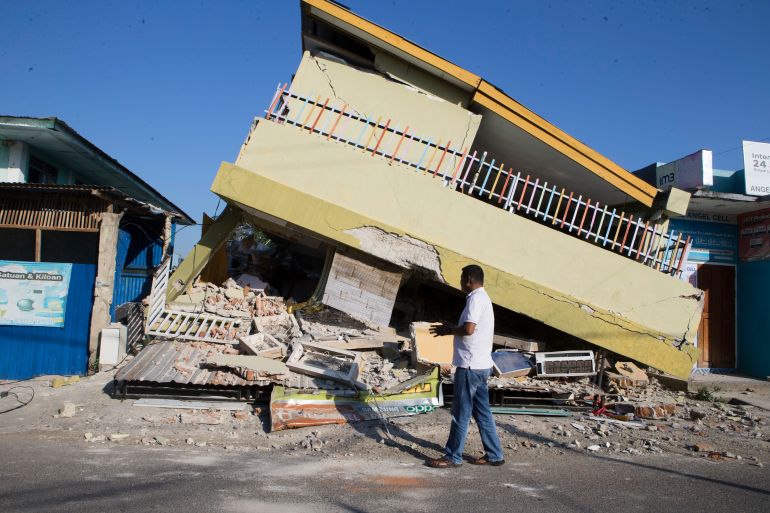
Indonesia has recently been struck by a 5.7 magnitude earthquake, mere days after a more devastating tremor that measured 7.7 on the Richter scale. This recent seismic event has raised new concerns amidst ongoing rescue and recovery efforts following the earlier quake, which caused significant devastation on the island of Flores.
The 7.7 magnitude earthquake occurred early on a Saturday morning at a shallow depth of 15 kilometres, resulting in at least 68 confirmed fatalities and displacing approximately 5,000 individuals. This series of earthquakes marks the most severe seismic activity the nation has faced since 2022, when hundreds lost their lives in West Java.
In the aftermath, many survivors are struggling to manage their circumstances amidst the destruction of vital infrastructure, including health facilities and communications networks. Dr Melinda, the only doctor at the Dampek Health Centre, reported having to care for hundreds of casualties with severely limited resources. "I cannot cope with the volume of patients arriving continuously," she stressed.
As the aftermath of the initial quake continues to be felt, concerns about adequate medical aid and emergency supplies are escalating. Reports indicate that as many as 1,000 homes were damaged or destroyed, disrupting the provision of medical services that are already stretched thin. "Essential resources are dwindling, and we desperately need more medical volunteers and supplies," said Dr Alhamzah, who works at Lalang Health Centre in East Manggarai.
Despite efforts by search-and-rescue teams to reach hard-hit communities, including areas isolated by landslides, logistics remain a significant challenge. Roads have been rendered impassable in some regions, complicating the delivery of crucial aid. In addition, many survivors are reportedly living in makeshift camps, too fearful to return home due to ongoing aftershocks that pose further risks.
On Monday, a magnitude 5.6 earthquake struck the area, adding additional strain to emergency services already overwhelmed by prior crises. Recovery is complicated by more than 1,600 aftershocks recorded since the initial event. Officials from Indonesia’s National Disaster Management Agency (BNPB) are coordinating further aid deployments, including food and shelter materials.
Many residents are now displaced and sleeping outdoors, with some have fled to higher ground due to fears of additional tremors. Communication disruptions have left various villages cut off and in profound need of assistance. Rista Mari, a spokesperson for the Ruteng Regional General Hospital, indicated that the hospital had not yet received any medical assistance, despite the growing requirements.
Across the region, communities are dealing with the aftermath of the damage, and future assistance is critical. Local residents like farmer Anastasia Imad express their fears, stating, "We are worried the aftershocks will collapse our homes while we sleep."
The Indonesian government has initiated efforts to mobilise resources, but the effectiveness of these measures remains limited by ongoing natural events and the extent of the damaged infrastructure. Authorities are seeking to quickly address the shortages of food and clean water, as well as medical supplies to aid in recovery efforts. Rescue teams continue to assess the full scale of the disaster as they work to provide essential aid to those in urgent need.
Election Commission Extends Deadlines for Andhra Pradesh and Meghalaya

INDIA Bloc Announces Nationwide Campaign Against Chief Election Commissioner

Gujarat Authorities Seize ₹3,000 Crore Worth of Drugs at Sea

Modi and Trump Discuss Bilateral Cooperation in Key Sectors