IndiGo Reports Q2 Loss Amid Currency Challenges and Fleet Changes


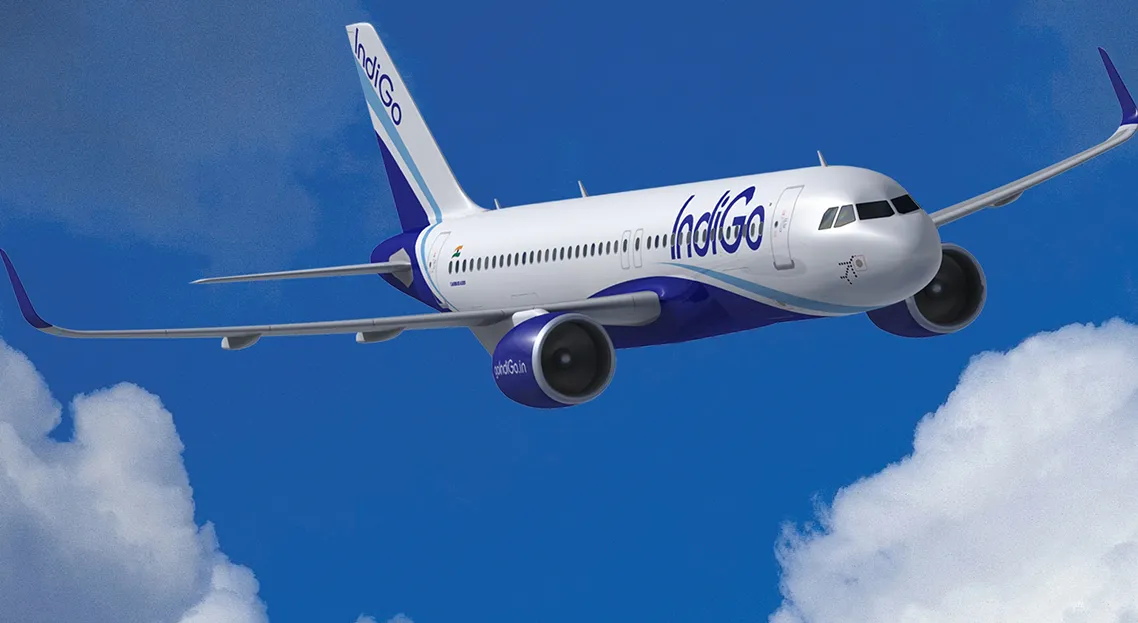
IndiGo, India's largest airline, announced its financial results for the second quarter of the fiscal year 2026, revealing a substantial loss of ₹2,582.1 crore. This financial downturn is primarily attributed to the depreciation of the Indian rupee, impacting the airline's substantial dollar-denominated expenses. Despite this loss, IndiGo reported a pre-tax surplus of ₹103.9 crore prior to foreign exchange impacts.
The airline has been grappling with operational challenges, particularly with over 40 of its aircraft grounded, all of which are powered by Pratt & Whitney engines. The issue began in mid-2023 and continues without a clear resolution timeline. However, the proportion of Pratt & Whitney-powered aircraft within IndiGo's fleet is gradually decreasing as new aircraft are introduced with engines from competitor CFM.
In the wake of the pandemic, IndiGo emerged as a stronger player in the aviation sector, capitalising on the struggles of its competitors. With plans to expand its fleet to around 600 aircraft by 2030, IndiGo aims to transition between 30% and 40% of its fleet from operational leases to owned assets. This shift is seen as a strategic move to bolster its financial stability and operational resilience.
An operational lease allows airlines to use aircraft for a fixed period before returning them to the lessor, while a finance lease is akin to ownership, transferring most risks and rewards to the airline. Traditionally, IndiGo has favoured shorter lease cycles to avoid significant maintenance costs associated with older aircraft. Currently, IndiGo operates 14 owned aircraft, 62 on finance leases, and 333 on operational leases, a stark contrast to the previous year's figures of three owned and 345 on operational leases.
As part of its strategy to strengthen its balance sheet, IndiGo is leveraging its cash position to prepare for the introduction of Airbus A350 aircraft. The cyclical nature of the aviation industry, combined with geopolitical uncertainties, necessitates a robust asset portfolio that can support sale and leaseback transactions during challenging times. This strategy proved effective for IndiGo during the pandemic when it executed similar agreements for its ATR aircraft.
Analysts note that maintaining a versatile and strategically diversified fleet is crucial for long-term sustainability in the aviation sector. The financial ramifications of grounded aircraft and currency fluctuations highlight the delicate balance airlines must maintain between operational efficiency and financial prudence.
In conclusion, IndiGo's current challenges underscore the complexities of managing a large airline amid fluctuating economic conditions. The airline's proactive measures to reinforce its asset base and fleet composition are aimed at securing its future in an increasingly competitive market.
Kerala Initiates Probe into 2006 Suicide Case Involving CEC

Extradition of Sheikh Hasina Feasible, Says Indian High Commissioner

Punjabi Makeup Artist Mad Sandhu Shot Dead in Amritsar

India Achieves Fourth Place at Asian Games 2026 Through Late Success